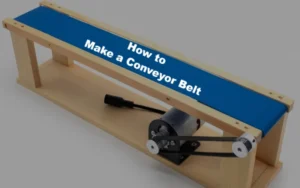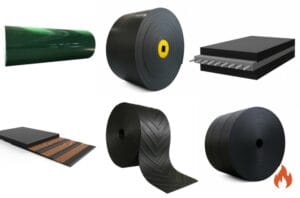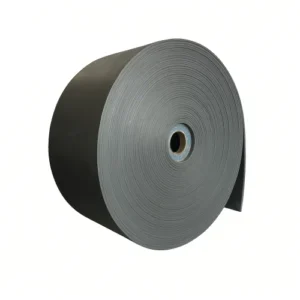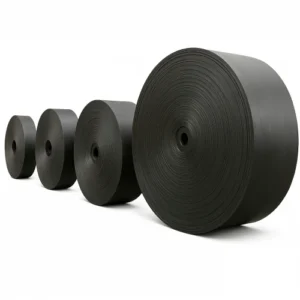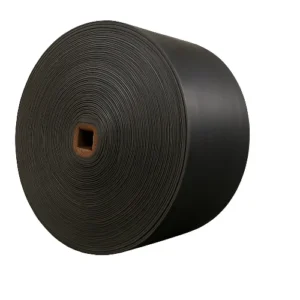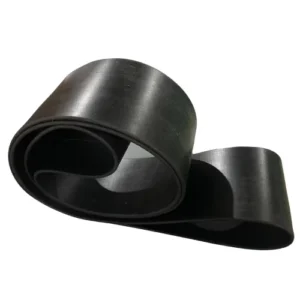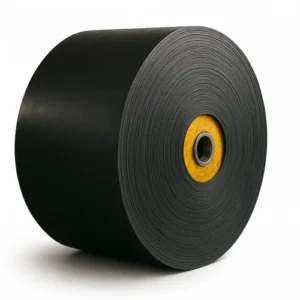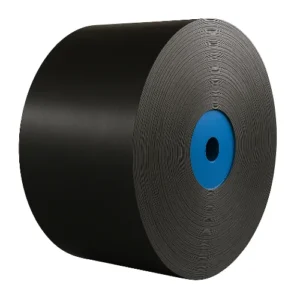
Knowing how to measure conveyor belt length helps you verify deliveries, check stock, or confirm usable length before cutting and splicing. The correct method depends on whether the belt is open-ended, factory-spliced endless, or wound on a roll. This guide covers direct measurement rather than conveyor-path calculations.
1. Identify the Conveyor Belt Structure
1.1 Open-Ended Conveyor Belt
An open-ended conveyor belt has two physical ends. Its length is the complete material distance from one end to the other under the stated measurement condition. If one order contains several separate belt lengths, measure and record each length individually before adding them together to confirm the total quantity.
1.2 Endless Conveyor Belt
An endless conveyor belt is joined into a closed loop before installation and has no physical ends. Its length is the complete circumference of that loop, measured along a consistent longitudinal reference line under the stated condition. Confirm the agreed length basis before comparing the measured result with the order record.

2. Choose a Conveyor Belt Length Measuring Tool
Select the tool according to the approximate belt length and how much of the belt can be released for measurement. The longer and heavier the belt becomes, the less practical manual measurement is.
2.1 Steel Measuring Tape
Use a steel tape when a short conveyor belt can be fully released, laid flat, and supported along its complete length. Keep the tape aligned with the same longitudinal reference line and avoid pulling the belt during measurement. A steel tape becomes impractical when the belt requires many separate measurements or cannot remain flat.
2.2 Portable Measuring Wheel
A portable measuring wheel is more practical for a longer belt that can be released onto a clean, reasonably flat surface. Move the wheel continuously along the selected reference line and maintain consistent contact pressure. Surface debris, wheel wandering, and repeated section connections can introduce error, so reduce the number of separate measurement sections.
2.3 Fixed Length Counter
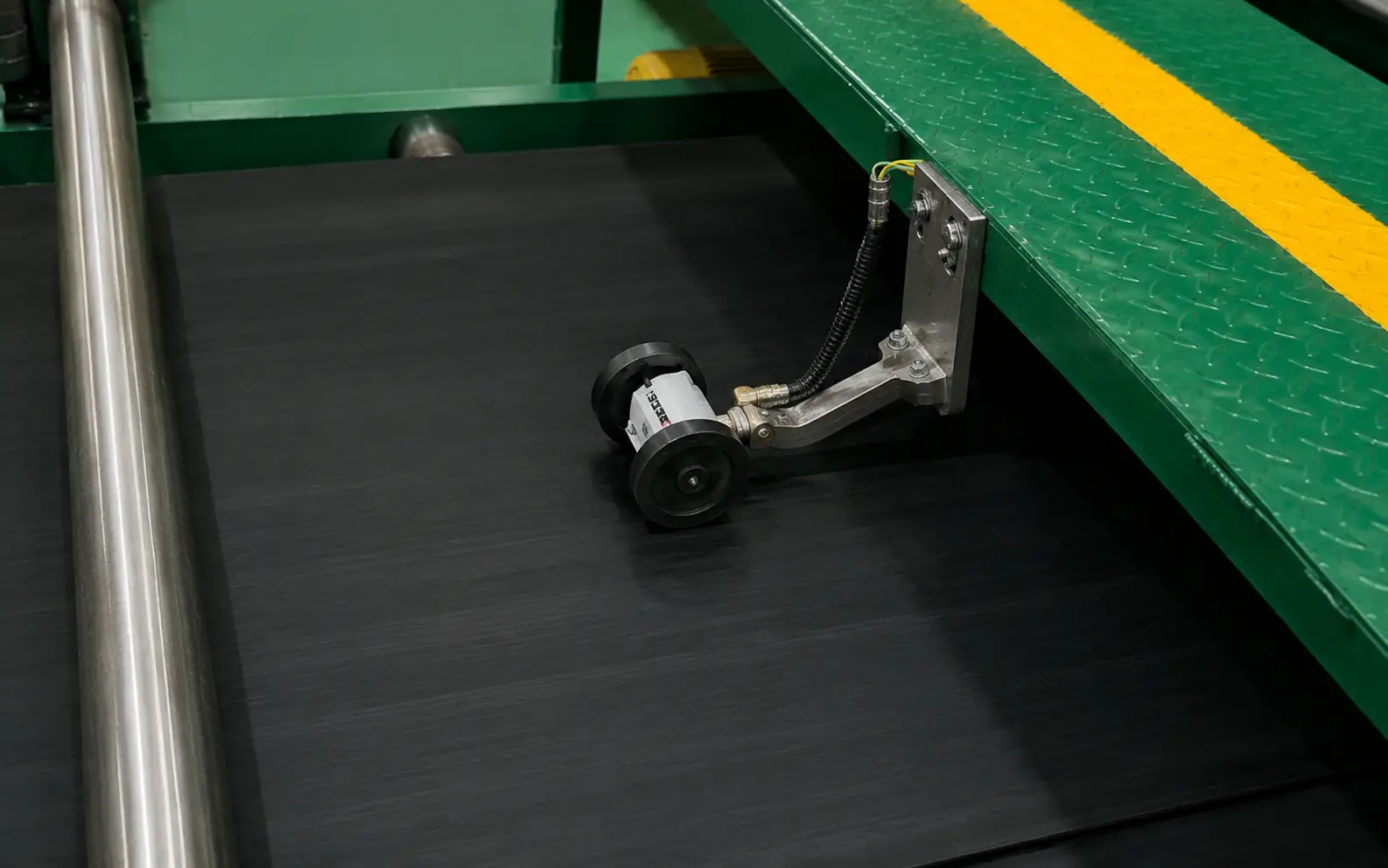
For a long or heavy conveyor belt, use a fixed contact length counter during unwinding or rewinding. This conveyor belt length measuring tool records the complete belt as it passes through one measuring point. The wheel must remain in stable contact with the belt surface, and the counter should be checked and reset before measurement begins.
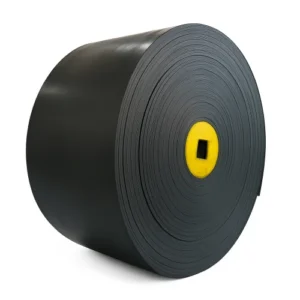
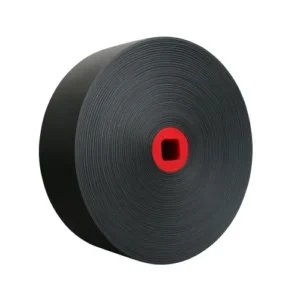
If the belt cannot be released from the roll, diameter and thickness measurements can support a length estimate. They cannot replace direct measurement when you need to verify the actual belt length.
3. How to Measure an Open-Ended Conveyor Belt
The dividing point is whether your steel tape can cover the complete belt from end to end in one placement. If it cannot, choose a continuous measuring method instead of dividing the belt into many tape-length sections.
3.1 When One Tape Covers the Complete Belt
Use a steel tape only when the belt can be fully laid out and its complete length does not exceed the available tape length.
- Place the belt on a flat surface that supports its complete length.
- Allow the belt to settle without pulling it longitudinally.
- Position the tape along the belt centerline.
- Align the zero mark with the first physical end.
- Read the length where the second physical end meets the tape.
- Repeat the measurement before recording the final result.
Complete the measurement before trimming either end or preparing the belt for splicing. If an end has already been cut at an angle, confirm the agreed start and finish points before measuring.
3.2 When the Belt Exceeds the Tape Length
If the complete belt can still be laid out on a clean and reasonably flat surface, use a calibrated measuring wheel. Reset the wheel at the first end and move continuously along the belt centerline until reaching the other end.
Avoid replacing this method with many separate tape measurements. Every new endpoint introduces another marking and alignment error, so the combined result may become less reliable as the number of sections increases.
3.3 When the Belt Requires Unwinding or Rewinding
For a belt that cannot be fully laid out, install a contact length counter on a stable, flat belt path between the unwinding and rewinding positions.
- Check the counter and measuring wheel before starting.
- Reset the reading before the first end engages the measuring wheel.
- Move the complete belt through the counter at a stable speed.
- Maintain continuous contact between the measuring wheel and belt surface.
- After the final section leaves the measuring wheel, record the displayed total.
The counter stops accumulating distance when the belt stops driving the measuring wheel. If an order contains several rolls, measure and identify each roll separately before adding the individual readings.

4. How to Measure an Endless Conveyor Belt
Choose the method according to whether the folded belt length fits within your steel tape. The folded-length method is suitable when moderate error is acceptable. For a larger loop, a portable measuring wheel provides the most practical direct measurement without requiring fixed counting equipment.
4.1 Folded-Length Method
Use this method when the endless belt can be laid flat and the folded end-to-end distance does not exceed the available steel tape length.
- Place the endless belt flat on a clean, level surface.
- Align the upper and lower belt sections without applying longitudinal tension.
- Measure along the belt centerline from the outermost point of one folded end to the outermost point of the other.
- Multiply the measured folded length by two.
- Repeat the measurement after repositioning the belt and compare the results.
Approximate endless belt length = Folded length × 2
This method provides a practical estimate for a relatively short endless belt. Belt thickness, end curvature, uneven alignment, and pulling force can affect the result. If the repeated readings differ noticeably, use the measuring-wheel method.
4.2 Portable Measuring Wheel Method
Use a portable measuring wheel when the folded length exceeds your tape length or when you need to measure the complete loop directly.
- Release the endless belt and select an accessible, flat working section.
- Confirm the agreed measurement surface. Use the inside belt surface when the order specifies the inside circumference.
- Mark reference point A along the selected longitudinal path.
- Place the measuring wheel at A and reset the reading.
- Keep the wheel in the same working position while moving the belt continuously in one direction.
- Maintain stable contact pressure and avoid reversing the belt.
- Stop when A returns to the measuring wheel.
- Record the displayed length and the measurement surface.
The measuring-wheel method covers one complete revolution from A back to A, so it avoids the folded-end error of the first method. Repeat the measurement when checking a delivery or resolving a significant length difference. Forbo also identifies the untensioned inside length as the ordering basis for its spliced endless belts.

5. How to Verify Delivered Conveyor Belt Length
- Obtain the supplier’s factory length record and confirm that it matches the belt identification, ordered length, and measurement basis. For multiple rolls, check whether the order specifies each roll separately or only the total quantity.
- Measure the belt once using the applicable method described above. This customer measurement serves as an independent verification of the supplier’s pre-shipment result, so a routine second measurement is unnecessary.
- Compare the measured result directly with the order:
- An open-ended belt passes when its measured length is not below the ordered length or the agreed negative tolerance.
- An endless belt passes when its measured circumference falls within the agreed dimensional tolerance.
6.Conclusion
Accurate conveyor belt length measurement starts with identifying whether the belt is open-ended or factory-spliced endless. Select a tool that can cover the belt with the fewest interruptions, measure along one consistent longitudinal path, and compare the result with the order using the same length basis. Open-ended belts are checked for negative length deviation, while endless belts are checked against the agreed circumference tolerance.

7. Frequently Asked Questions
Can You Measure Conveyor Belt Roll Length Without Unwinding It?
The outside diameter, core diameter, and belt thickness can provide an approximate roll length. This estimate is affected by winding tightness, air gaps, uneven layers, and thickness variation. When the result will be used for delivery verification, the belt should be unwound or rewound through a calibrated length counter.
Why Can the Customer’s Measurement Differ from the Factory Record?
Differences may come from belt tension, measuring-wheel pressure, slippage, the selected longitudinal path, or the reference surface used for an endless belt. Confirm that both measurements use the same length basis and comparable conditions before judging whether the delivered length has a deviation.
Is Additional Length on an Open-Ended Belt a Delivery Error?
Additional length is generally acceptable for an open-ended conveyor belt. Suppliers may reserve a short section for customer testing, end trimming, or splice preparation. Length verification mainly checks whether the usable belt length falls below the ordered quantity or the agreed negative tolerance.
Should Test Samples Be Cut Before Measuring the Belt?
Complete the length measurement before cutting test samples. Removing material first reduces the remaining usable length and makes it difficult to compare the result directly with the original delivery quantity. When samples have already been removed, include their recorded length when checking the supplied total.
Can Belt Speed and Running Time Be Used to Measure Length?
Multiplying belt speed by running time provides an estimate. Start-up, stopping, speed variation, and slippage can affect the result. It should not replace direct measurement when checking a delivery. Use a measuring wheel or length counter that records the actual distance travelled by the belt surface.
Can a Used Belt Length Determine the Replacement Order Length?
A used belt measurement should not be copied directly into a replacement order. The belt may have elongated during service, while the take-up position may have changed. Use the original belt record when available. If it is missing, the required replacement length should be confirmed from the conveyor layout and planned take-up position.