Professional Endless Conveyor Belt Manufacturer

Manufacturing Endless Conveyor Belt for short-distance conveying systems, including flat belts and corrugated sidewall belts. Reliable endless joint quality with customized loop dimensions for industrial applications.

What Is an Endless Conveyor Belt?

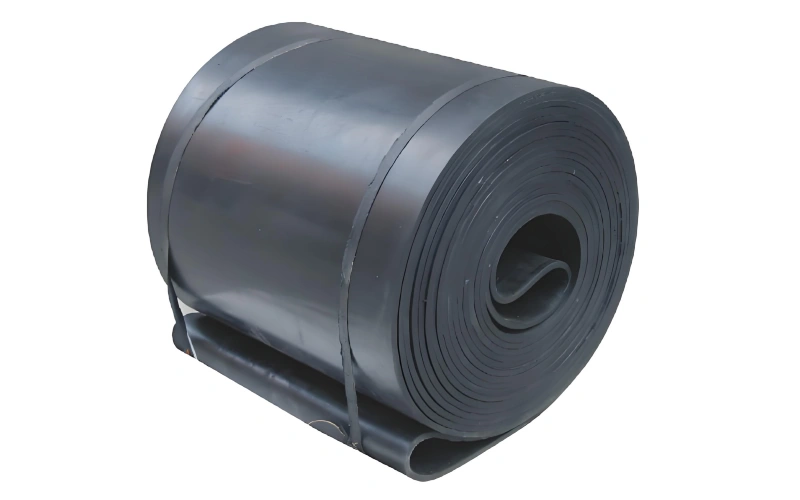
An Endless Conveyor Belt is a closed-loop conveyor belt made according to the required circumference, width, thickness, carcass structure, and working conditions. The endless joint is completed during factory production, making it suitable for short-distance conveying equipment, compact conveyor layouts, and continuous circulation systems.

An Endless Rubber Conveyor Belt can be produced for flat belts, corrugated sidewall belts, and patterned belts. As a China Endless Conveyor Belt manufacturer, we confirm belt circumference, packaging method, transportation space, and installation conditions before production, since very long endless belts may increase packing and shipping difficulty.

endless Conveyor Belt pic

Why Choose Factory-Made Endless Conveyor Belt?

A factory-made Endless Conveyor Belt allows the endless joint to be completed before shipment, using controlled joint preparation, vulcanizing equipment, and production procedures. This keeps the joint area better matched with the belt structure, especially for short-distance conveyor systems that need repeated circulation around rollers.

conveyor belt hot splice joint

Factory-Finished Endless Jointing

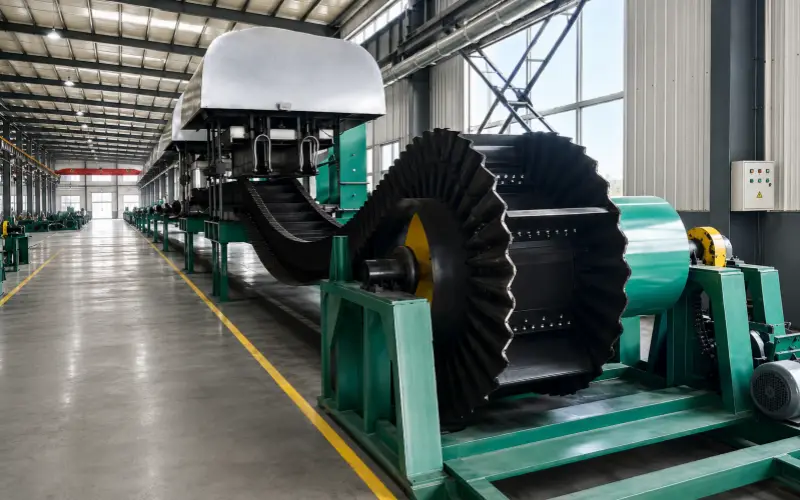
The endless joint is processed in the factory according to belt type, carcass structure, cover rubber, and required loop length. For an Endless Rubber Conveyor Belt, the joint area needs proper alignment, rubber bonding, pressure control, and heating time to support stable loop operation after installation.
short installation time

Shorter On-Site Installation Time

Factory-finished endless construction reduces the work required after the belt reaches the customer’s site. The customer can reduce third-party field splicing, mobile vulcanizing equipment handling, and site preparation for jointing work, which shortens the installation process for suitable conveyor systems.
Endless Forms for Different Belt Structures

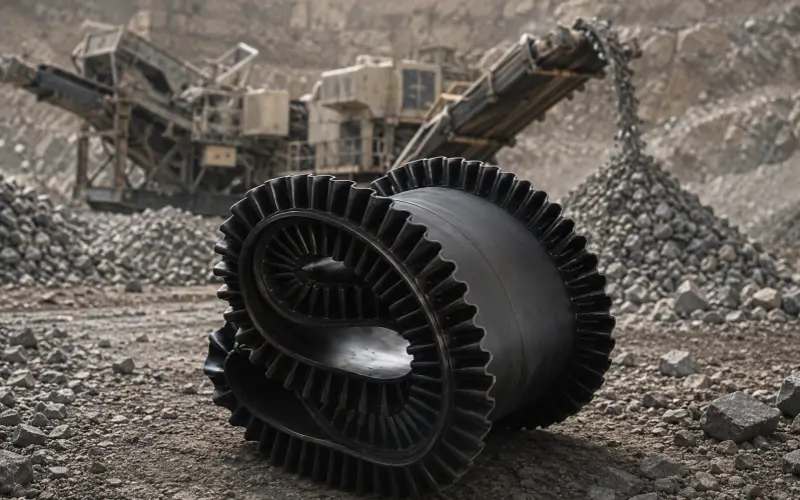
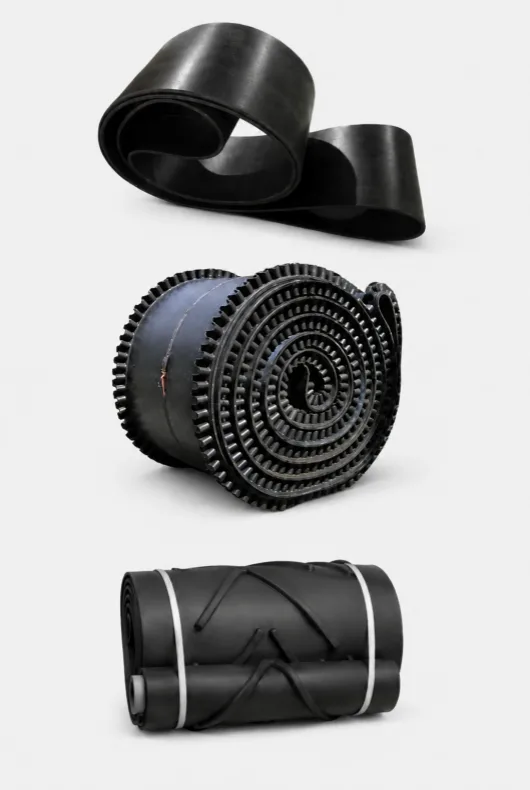
We can produce endless forms for flat conveyor belts, corrugated sidewall conveyor belts, and patterned conveyor belts. This is useful when the belt structure requires careful joint alignment, especially when sidewalls, cleats, or surface patterns need to remain properly positioned after forming a closed loop.
Suitable Belt Types for Endless Joining

We can make flat belts, corrugated sidewall belts, and patterned belts into Endless Conveyor Belt form according to the conveyor layout, loop length, and installation conditions.

Suitable Belt Types for Endless Joining

Flat Endless Conveyor Belt

Flat belts are the most common structure for endless production. They are suitable for short-distance conveying systems, small conveyor equipment, packaging lines, and continuous circulation applications. The belt can be produced as an Endless Rubber Conveyor Belt with the required carcass, cover rubber, and loop circumference.

Corrugated Sidewall Endless Conveyor Belt

Corrugated sidewall belts can also be supplied in endless form when the conveyor design requires a closed-loop structure. The factory jointing process needs to match the base belt, sidewalls, and cleats so the belt can keep the required conveying path after installation. This type is commonly used for inclined conveying and compact material transfer systems.

Patterned Endless Conveyor Belt

Patterned conveyor belts, including chevron or surface-patterned designs, can be made into endless form for suitable conveyor systems. The joint area needs to consider the belt pattern, running direction, and contact surface, so the closed-loop belt can match the conveyor’s operating requirements.

Endless Conveyor Belt vs Field Spliced Conveyor Belt

Both factory-made Endless Conveyor Belt and field spliced conveyor belt can be used for closed-loop conveying systems. The main difference is where the jointing work is completed and how much on-site preparation is required before installation.

ItemEndless Conveyor BeltField Spliced Conveyor Belt
Jointing PlaceFinished in the factory before deliveryCompleted at the customer’s site
Equipment RequirementUses factory jointing equipmentRequires mobile vulcanizing equipment
Site PreparationLess on-site jointing workRequires space, power, tools, and working conditions
Time ArrangementJointing work is completed before shipmentField splicing usually needs service scheduling
Suitable Belt TypesFlat belts, sidewall belts, patterned beltsLong belts and large conveyor systems
Main ApplicationShort-distance and compact conveyor systemsLong-distance or oversized conveyor lines

For short-distance conveyors, compact equipment, and structured belts, an Endless Rubber Conveyor Belt can help simplify the installation process. For very long conveyor systems, field splicing remains a practical choice because roll belts are easier to pack, ship, and install on large conveyor lines.

Endless Conveyor Belt Manufacturing Process

Each Endless Conveyor Belt is produced according to the confirmed belt structure, loop circumference, working conditions, and conveyor layout. The process focuses on belt preparation, endless joint alignment, vulcanizing control, and final inspection before shipment.

1
Belt Specification Confirmation

Belt Specification Confirmation

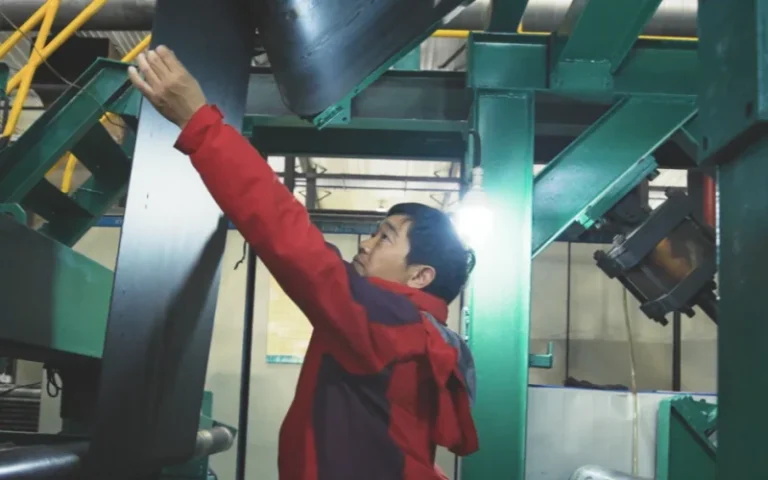
Before production, we confirm the belt width, loop circumference, carcass type, cover rubber, thickness, and conveyor application. For corrugated sidewall belts or patterned belts, the sidewall height, cleat spacing, pattern direction, and installation space are also checked to match the final endless structure.
2
Belt Body Production

Belt Body Production

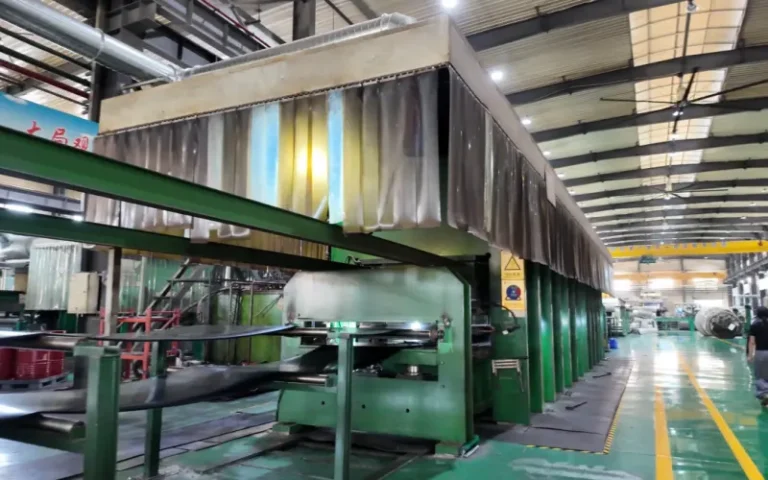
The belt body is produced according to the required material structure and rubber performance. An Endless Rubber Conveyor Belt can use different carcass and cover rubber combinations based on abrasion resistance, oil resistance, heat resistance, or general conveying requirements.
3
Endless Joint Preparation

Endless Joint Preparation

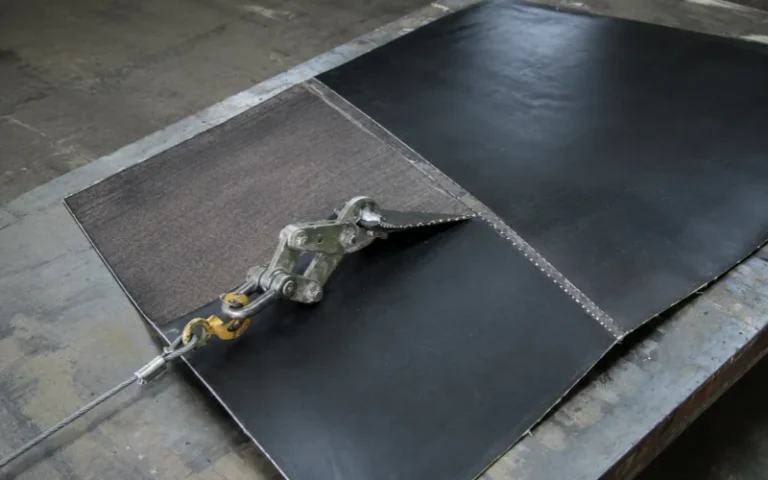
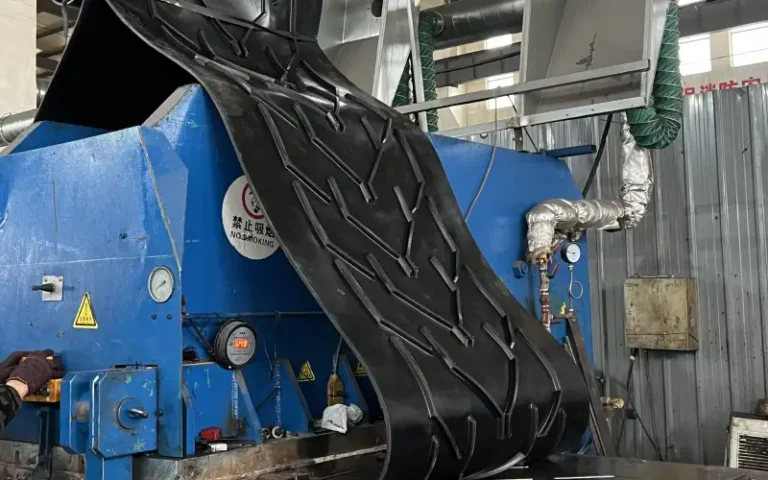
The joint area is prepared according to belt type and structure. This step includes joint positioning, surface preparation, rubber matching, and alignment control. For sidewall or patterned belts, the joint area needs to match the base belt and surface structure before forming the closed loop.
4
Factory Vulcanized Jointing

Factory Vulcanized Jointing

The endless joint is processed with factory jointing equipment. Temperature, pressure, and vulcanizing time are controlled according to belt thickness, rubber compound, and structure. This helps the joint area form a stable connection before the Endless Conveyor Belt is delivered to the customer.
5
Final Inspection and Packing

Final Inspection and Packing

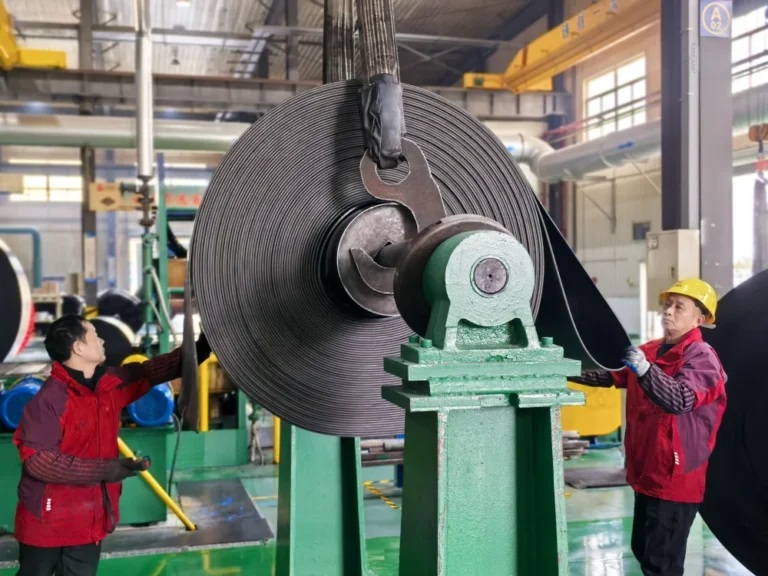
After vulcanizing, we check the loop circumference, joint surface, belt appearance, running direction, and packing method. As a China Endless Conveyor Belt manufacturer, we also consider shipping volume and packaging protection, especially for larger loop sizes and structured belt designs.
Start With Endless Conveyor Belt Information

Submit the product specifications you need right now, and our professional sales team will be there to support you every step of the way.

Endless Conveyor Belt Customization Options

We customize each Endless Conveyor Belt according to belt structure, loop circumference, conveyor layout, and working conditions. Before production, we confirm the key specifications that affect endless jointing, installation, packing, and final running performance.

Loop Circumference and Belt Size

Loop circumference is confirmed according to pulley diameter, center distance, frame structure, and tensioning range. Belt width, thickness, ply structure, and total loop size are also checked before production, especially when the belt needs to be packed and shipped as a complete loop.

Carcass and Cover Rubber

Carcass and cover rubber can be selected according to conveyed material, load level, and working environment. For an Endless Rubber Conveyor Belt, we can match general rubber, abrasion-resistant rubber, oil-resistant rubber, heat-resistant rubber, or other cover options based on the application.

Endless Structure for Multi Belt Types

We can make flat belts, corrugated sidewall belts, and patterned belts into endless form. For sidewall belts, we confirm sidewall height, cleat height, cleat spacing, and effective conveying width. For patterned belts, we check pattern type, pattern height, pattern pitch, and running direction.

Packing and Shipping Confirmation

Endless belts require packing plans based on loop size, belt weight, and transport space. As an Endless Conveyor Belt supplier, we confirm the loop shape, packing method, and shipping requirements before delivery, especially for larger sizes, sidewall structures, or patterned conveyor belt designs.

When Endless Conveyor Belt Is Recommended

An Endless Conveyor Belt is recommended when the conveyor system has a fixed loop size, short conveying distance, and enough installation space for a complete loop belt.

Short-Distance Conveyor Systems

Short-Distance Conveyor Systems

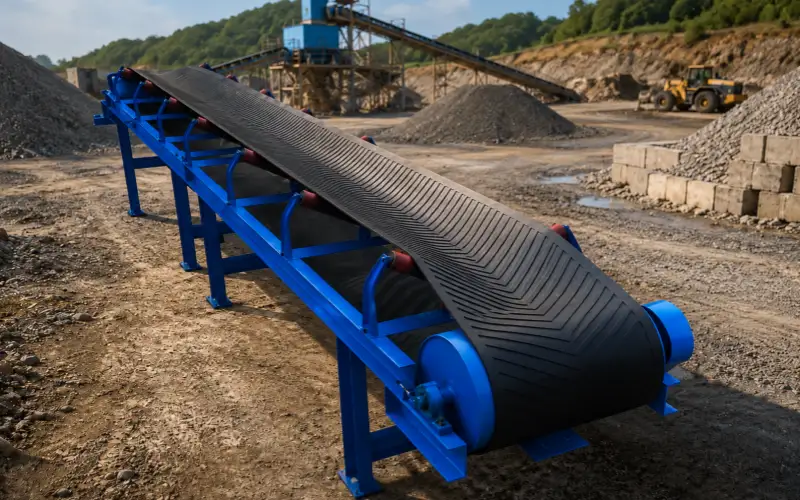
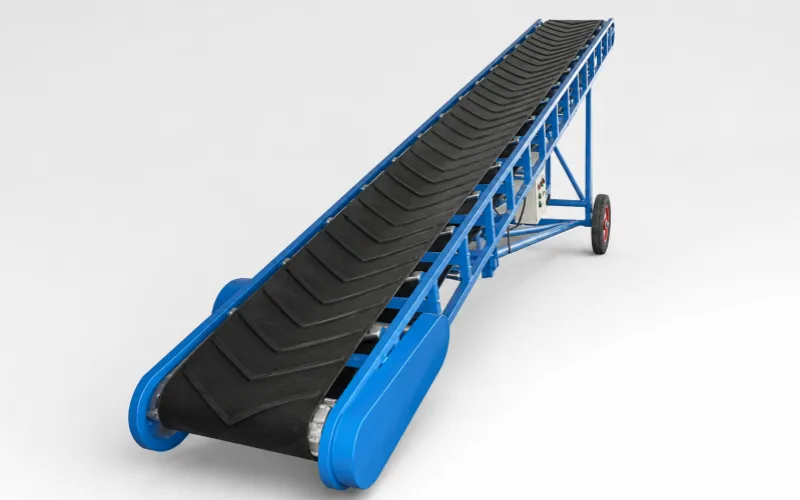
Short conveyor systems are suitable for endless belt production because the loop size is easier to pack, ship, and install. For these systems, an Endless Rubber Conveyor Belt can reduce on-site jointing work and make installation more direct after delivery.
Compact Conveyor Equipment

Compact conveyor equipment usually has limited space for field jointing operations. A factory-made endless belt can be produced according to the required loop circumference, pulley diameter, belt width, and tensioning range, making it easier to match the equipment structure.
Continuous Loop Operation

Continuous Loop Operation

Endless belts are suitable for conveyors that run repeatedly around rollers in a closed loop. The factory-finished jointing process helps the belt match continuous circulation requirements, especially for small production lines, packaging equipment, and light material transfer systems.
Structured Belt Applications

Structured Belt Applications

An Endless Conveyor Belt is also recommended for flat belts, corrugated sidewall belts, and patterned belts that require careful joint arrangement. For these belt types, parameters such as sidewall height, cleat spacing, pattern height, and running direction should be confirmed before production.
longdistance conveyor belt

When Roll Belt or Field Splicing Is More Practical

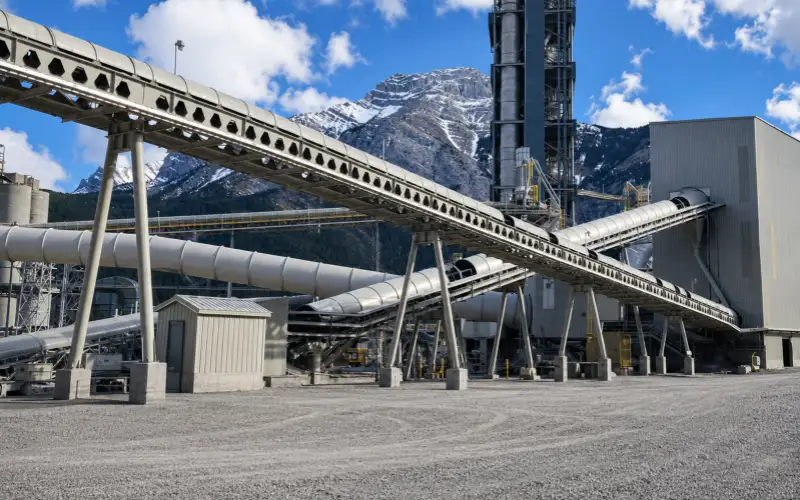
For long conveyor lines or oversized loops, roll belt supply with field splicing is often more practical than an Endless Conveyor Belt. A complete endless loop may require more packing space, higher container volume, and careful handling during loading and unloading. For mining, quarry, port, and other large material handling lines, roll belts are easier to transport and position before jointing.

Field splicing is also more suitable when the conveyor structure does not allow easy installation of a complete loop belt. Some systems have limited frame access, restricted lifting space, or fixed conveyor components that make endless belt installation difficult. In these cases, roll belt supply gives the installation team more flexibility for belt placement, tensioning, and final jointing.

FAQs

What details affect the endless joint position on structured belts?

For structured belts, the joint position should avoid interfering with sidewalls, cleats, or surface patterns. Before production, we check sidewall height, cleat height, cleat spacing, pattern height, pattern pitch, and running direction. These details help the endless joint area match the working surface and conveying path. This is especially important for corrugated sidewall belts and patterned Endless Rubber Conveyor Belt designs.

Why does pulley diameter matter for an Endless Conveyor Belt?

Pulley diameter affects belt bending, joint stress, and running stability. A small pulley creates stronger bending at each rotation, so the belt structure, thickness, carcass type, and joint design must be selected carefully. For an Endless Conveyor Belt, we recommend confirming pulley diameter before production because it directly influences belt flexibility, joint performance, and whether the selected belt structure can run smoothly on the conveyor.

Can I replace an old belt with an endless belt without changing the conveyor frame?

It depends on the conveyor structure. A complete endless belt must be placed onto the frame, so the conveyor needs enough access for installation. Some systems allow roller removal or frame opening, making replacement easier. Other fixed-frame systems may require roll belt installation instead. Before producing an Endless Conveyor Belt, we suggest checking frame access, tensioning space, pulley removal method, and installation sequence.

What should be checked before ordering a patterned endless belt?

For patterned endless belts, the pattern must match the running direction and material movement. You should confirm pattern type, pattern height, pattern pitch, belt width, pulley contact surface, and whether the pattern needs to support inclined conveying. These details affect how the belt runs around pulleys and how the joint area is arranged. Proper confirmation helps the finished belt match the conveyor’s actual handling requirement.

How is a complete endless belt packed for shipment?

Packing depends on loop size, belt weight, belt structure, and container space. Small endless belts can usually be packed in a compact loop shape, while larger belts may need reinforced packing or special handling space. Sidewall and patterned belts require extra protection to avoid deformation during transport. As an Endless Conveyor Belt supplier, we confirm packing method before shipment to protect the belt structure during delivery.

What affects the warranty term for an Endless Rubber Conveyor Belt?

Warranty terms depend on belt type, application environment, conveyed material, working hours, pulley diameter, tensioning condition, and maintenance method. A belt used for light-duty short-distance conveying is different from one used with abrasive materials, oil exposure, or high temperature. For an Endless Rubber Conveyor Belt, the warranty should be confirmed according to the actual working conditions and final technical specification.

Ready to Order a Factory-Made Endless Conveyor Belt?

Send us your belt width, loop circumference, pulley diameter, belt type, and working conditions. We will help you confirm whether an Endless Conveyor Belt is suitable for your conveyor system and provide a practical specification for production.

GET FREE QUOTE

Download Catalog!

In order to ensure the smooth delivery of Catalog, please be sure to fill in the real email address.If it’s not in your inbox, please check your junk mailbox. 

Download Catalog!

Download our catalog to see all products and data sheets, the catalog will be sent to your email address.

Download Catalog!

In order to ensure the smooth delivery of Catalog, please be sure to fill in the real email address.If it’s not in your inbox, please check your junk mailbox. 

Welcome