
Market and Procurement Guide Topics

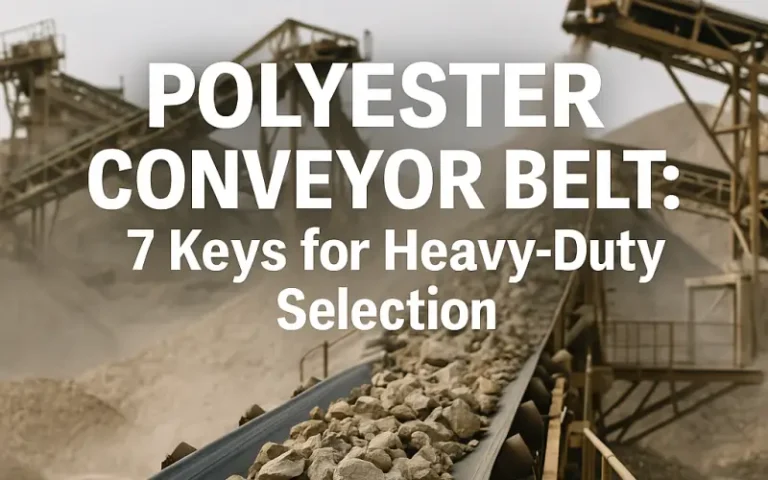
polyester conveyor belt 7 keys for heavy-duty selection
Polyester Conveyor Belt: 7 Keys for Heavy-Duty Selection
Technical guide to polyester conveyor belt selection in heavy-duty applications, covering EP structure,...
Read More
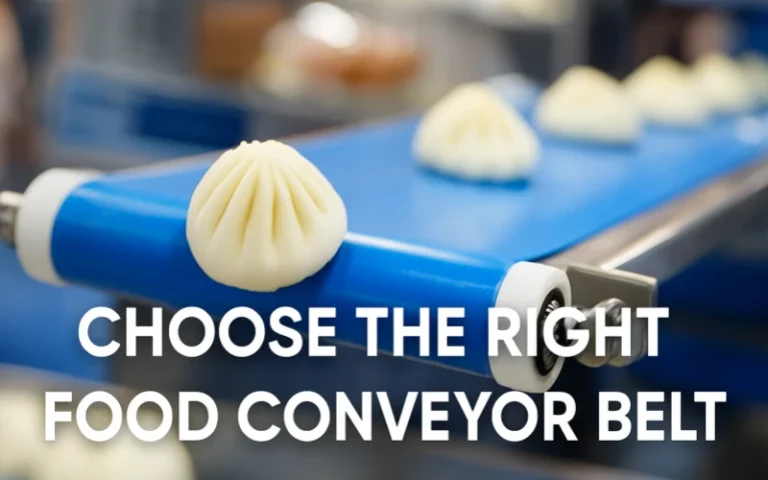
choose the right food conveyor belt
Choose the Right Food Conveyor Belt: 6 Steps to Cut Failures
Learn how to choose the right food conveyor belt by matching materials, temperature, cleaning chemicals...
Read More
Top 10 conveyor Belt suppliers In the world
Top 10 conveyor belt suppliers in the world
A clear overview of conveyor belt suppliers in the world, key capabilities, and supply-chain trends that...
Read More
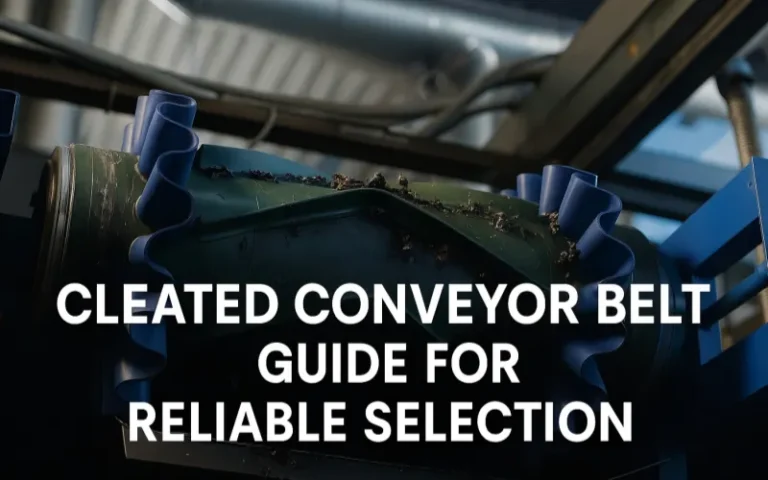
Cleated conveyor belt feature image
Cleated Conveyor Belt Guide for Reliable 2025 Selection
A complete cleated conveyor belt guide covering structure, materials, cleat design, selection logic,...
Read More
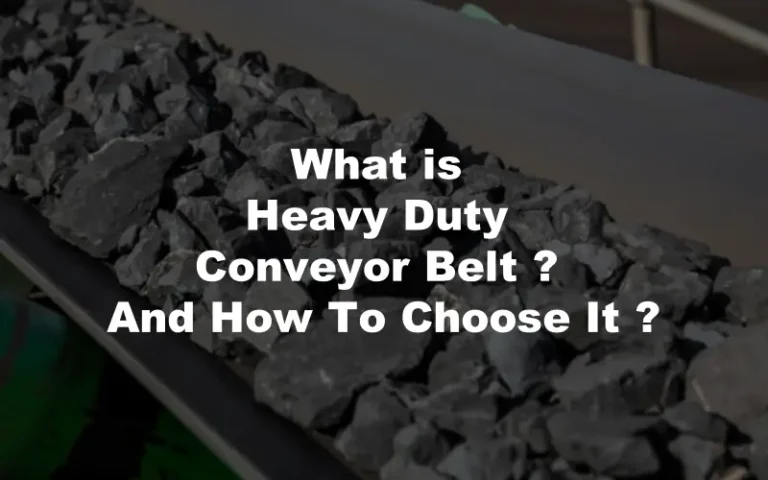
heavy duty conveyor belt feature image
What is Heavy Duty Conveyor Belt ? And How To Choose It ?
Discover how to choose a heavy duty conveyor belt using engineering data, clear standards, and proven...
Read More
how to make a conveyor belt
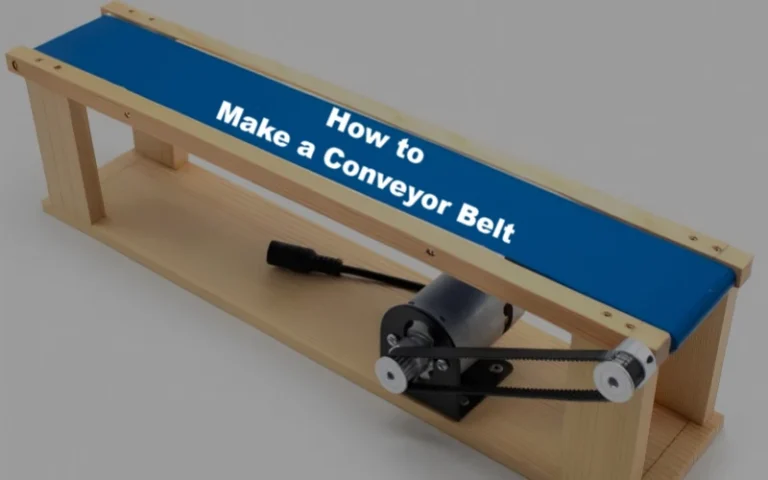
How to Make a Conveyor Belt
Learn how to make a conveyor belt from DIY builds to industrial systems — real methods, proven materials,...
Read More
how to select quarry conveyor belt
How to Select a Quarry Conveyor Belt: 3 Steps to Save 40%
Technical guide on quarry conveyor belt selection—EP and NN types, DIN standards, and proven methods...
Read More
How to select conveyor belt clips for pvc and rubber belts
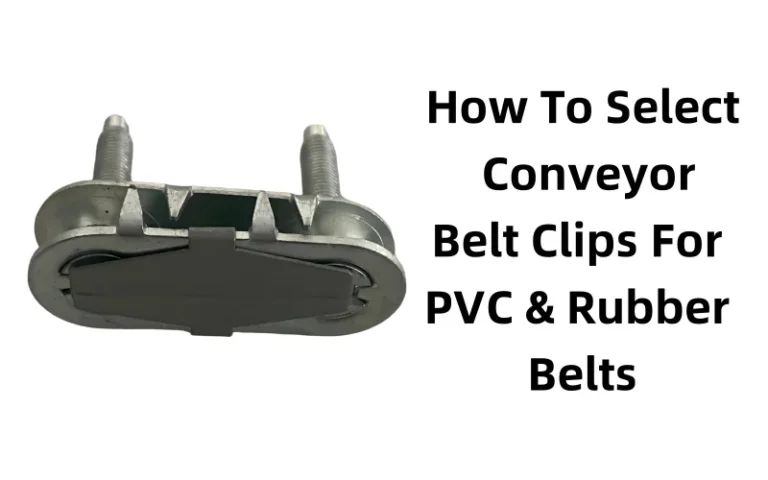
How to Select Conveyor Belt Clips for PVC and Rubber Belts
Learn how to select conveyor belt clips for PVC and rubber belts. Avoid downtime, extend belt life, and...
Read More
asphalt conveyor Belt Features image
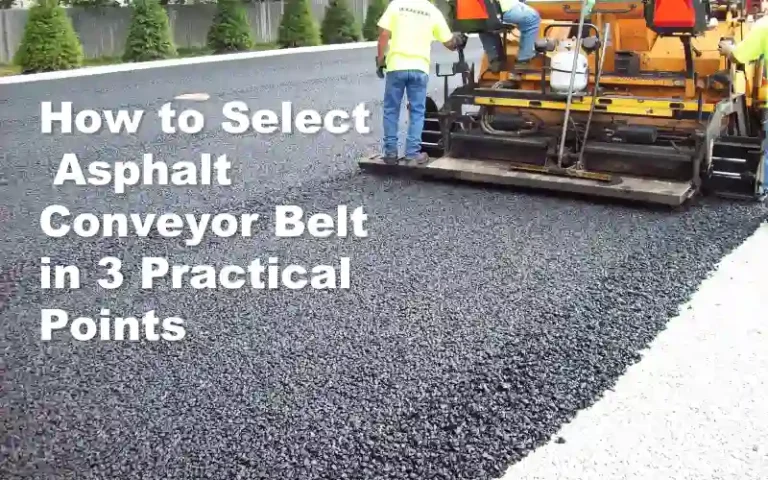
How to Select Asphalt Conveyor Belt in 3 Practical Points
Learn how to select the best asphalt conveyor belt with guidance on heat grades, oil resistance, and...
Read More
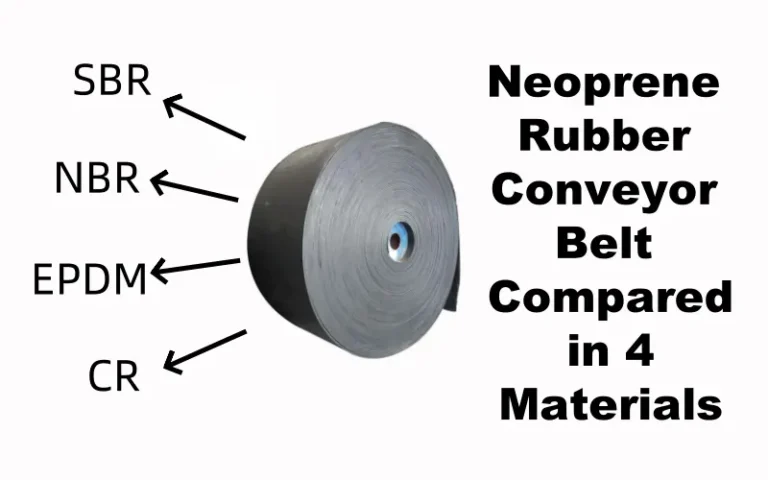
Neoprene Rubber Conveyor Belt Compared in 4 Materials
Discover how a neoprene rubber conveyor belt performs in oil, heat, and outdoor conditions, with global...
Read More
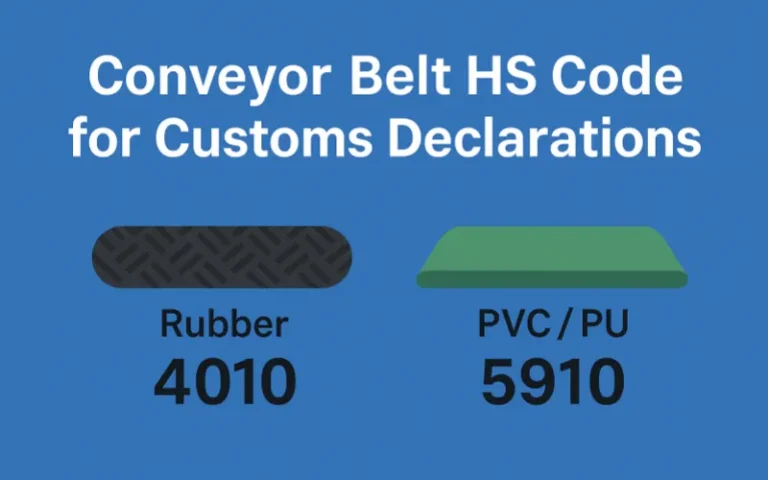
Rubber and pvc conveyor belt hs code
How to Find the Correct Conveyor Belt HS Code for Trade
If you’ve ever struggled to figure out the right conveyor belt hs code, you’re not alone. Many exporters...
Read More
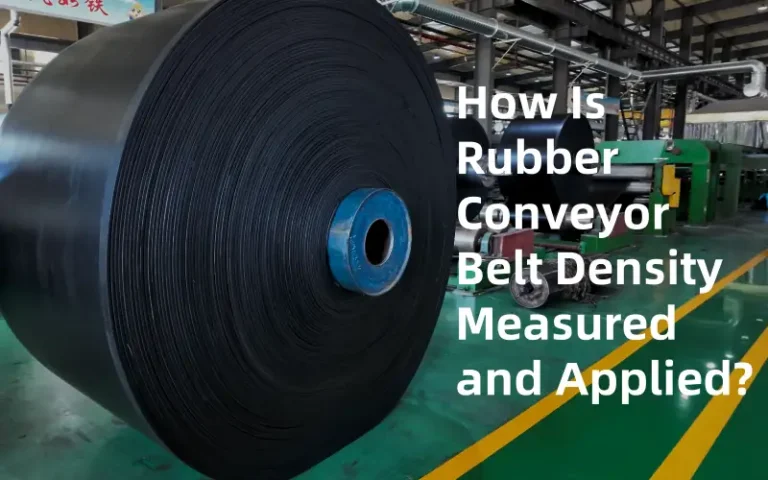
how is rubber conveyor belt density measured and applied
How Is Rubber Conveyor Belt Density Measured and Applied?
Rubber conveyor belt density affects quality and cost. Discover testing methods, typical ranges, and...
Read More
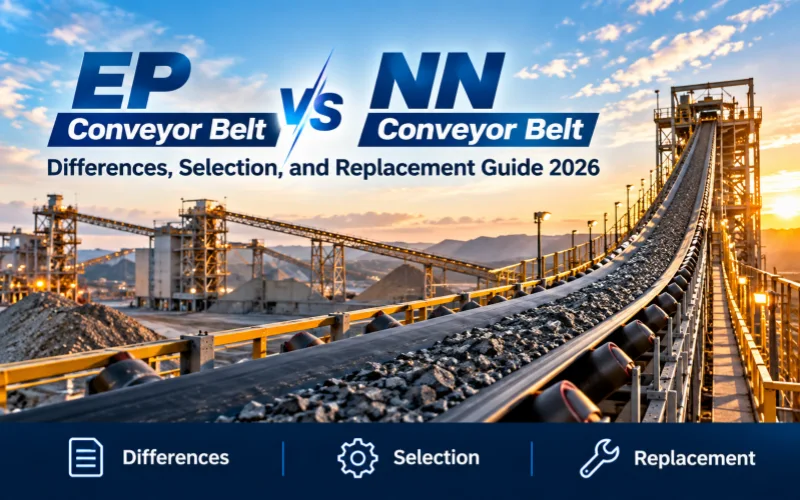
EP Conveyor Belt vs NN Conveyor Belt Differences, Selection, and Replacement Guide 2026 feature image

EP Conveyor Belt vs NN Conveyor Belt: Differences, Selection, and Replacement Guide 2026

EP and NN conveyor belts may look identical on a quotation, yet they behave differently in service. The difference starts with the warp yarn: polyester in EP, nylon in NN. This EP vs NN conveyor belt guide explains how elongation, take-up travel, impact, and replacement compatibility decide the answer. 1. Quick Answer: EP vs NN Conveyor Belt A quick comparison helps you filter options before you dig into details. The table below shows how EP and NN conveyor belts usually differ. Comparison Point EP Conveyor Belt NN Conveyor Belt Carcass
Read More »

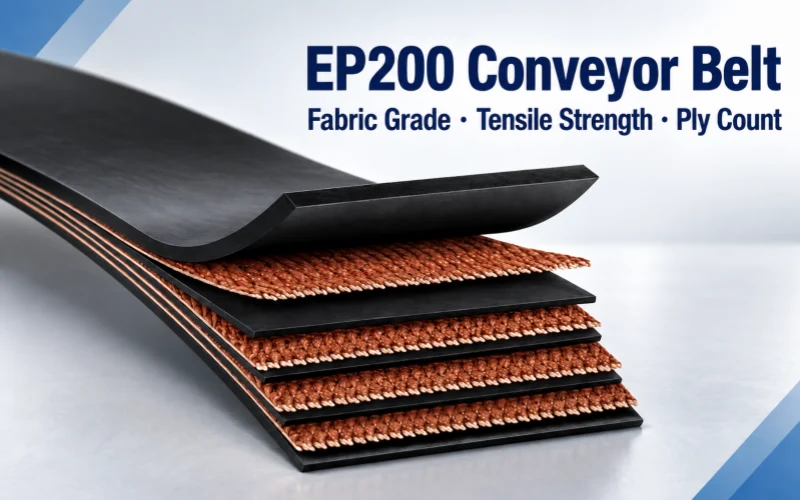
EP200 Conveyor Belt: Fabric Grade, Tensile Strength, and Ply Count

EP200 conveyor belt specifications use 200 in two ways. In EP200/2, it is the 200 N/mm Finished Belt Tensile Strength across two fabric plies. In EP200 × 2, it is the grade of each ply, producing a nominal Finished Belt Tensile Strength of 400 N/mm. 1. Where EP200 Sits in the Belt Specification A complete specification separates the carcass material, the strength of each fabric ply, and the strength of the finished belt. EP identifies the material system. The fabric grade belongs to each ply, while the finished belt value

Read More »
burn resistant conveyoir belt vs flame resistant conveyor belt feature image

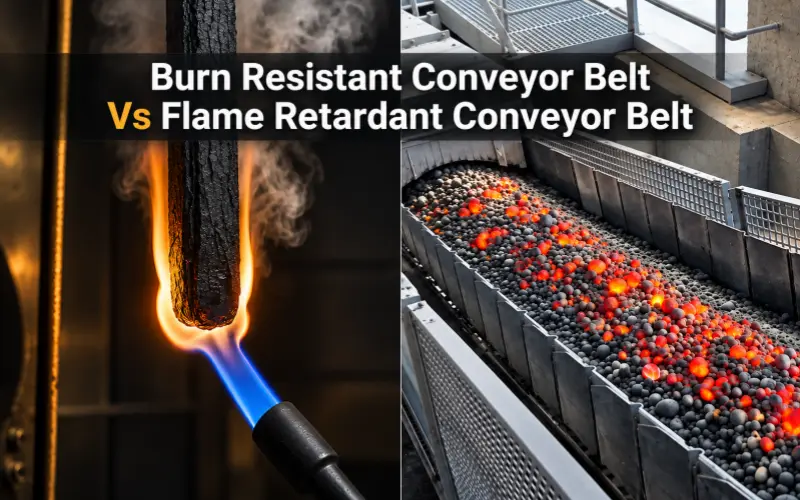
Burn Resistant Conveyor Belts vs Flame Resistant Conveyor Belts

Burn resistance and flame resistance address different hazards. A burn resistant conveyor belt is designed for direct contact with incandescent or smoldering solid materials. Flame resistance controls how the belt burns after ignition. Confusing these properties can result in an unsuitable specification and unsupported performance claims. The table below summarizes the main differences between burn resistant and flame resistant conveyor belts. Each comparison is explained in greater detail in the following sections. Comparison Point Burn Resistant Conveyor Belt Flame Resistant Conveyor Belt Application Transports incandescent or smoldering solid materials during

Read More »
Burn Resistant Conveyor Belt feature image

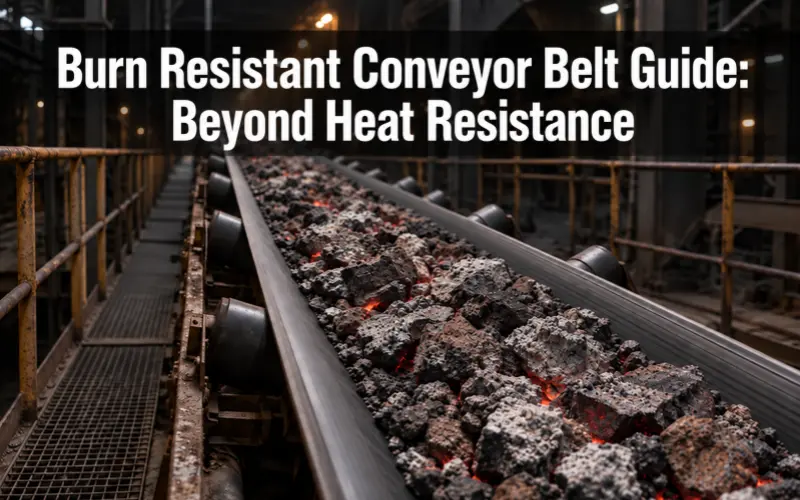
Burn Resistant Conveyor Belt Guide: Beyond Heat Resistance

1. Localized Burn Damage in High-Temperature Conveying A burn resistant conveyor belt carries high-temperature solids while limiting localized scorching, cover loss, and damage beneath the surface. If a heat resistant conveyor belt still develops burn pits, broad heat-aging resistance may not be enough. This problem is especially relevant to steel-mill red-hot bulk material discharge approaching 500°C. 2. Burn Damage Beyond Heat Aging 2.1 Heat Aging and Localized Scorching Conventional heat-resistant conveyor belts are generally used for material temperatures around 200–250°C, depending on the belt grade and operating conditions. The burn resistant conveyor belt discussed here

Read More »
EP Fabric Conveyor Belt Specification feature image

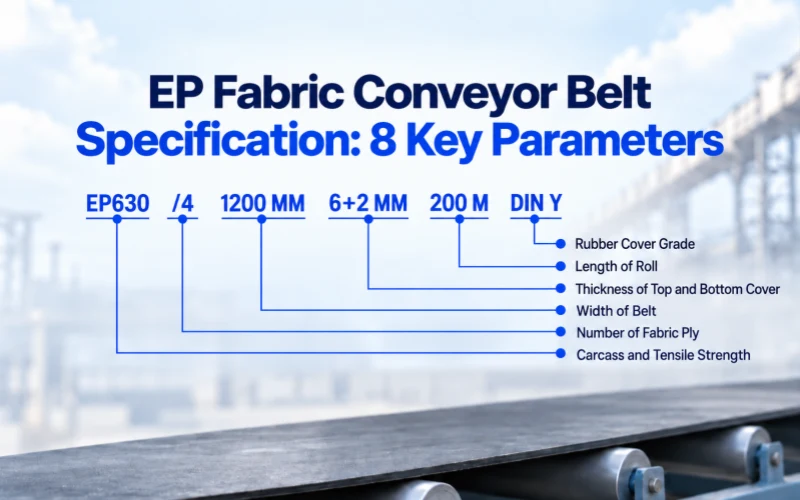
EP Fabric Conveyor Belt Specification: 8 Key Parameters

1. Introduction An EP fabric conveyor belt specification should define more than a strength code. The basic specification normally includes carcass type, finished belt tensile strength, number of fabric plies, belt width, top and bottom cover thickness, rubber cover strength, and belt length. These eight items establish the main product configuration. For example, EP630/4 – 1200 mm – 6+2 mm – DIN Y – 200 m shows a complete basic specification. Here, 630 N/mm is the finished belt’s nominal longitudinal tensile strength, while 4 indicates four fabric layers. Some fabric suppliers also use

Read More »

Download Catalog!

In order to ensure the smooth delivery of Catalog, please be sure to fill in the real email address.If it’s not in your inbox, please check your junk mailbox. 

Download Catalog!

Download our catalog to see all products and data sheets, the catalog will be sent to your email address.

Download Catalog!

In order to ensure the smooth delivery of Catalog, please be sure to fill in the real email address.If it’s not in your inbox, please check your junk mailbox.