Canvas Conveyor Belt Manufacturer for B2B Material Handling
Factory-made canvas Conveyor Belt for light and medium-duty conveying systems, designed for stable operation, flexible customization, and reliable bulk supply.
- DIN, ISO, JIS, AS ,GOST, BS, RMA Standard Support
- 5000+ B2B Projects Supply Experience
- 12-Hour Rapid Response
- Over 20 years of manufacturing and export experience
What Is Canvas Conveyor Belt?
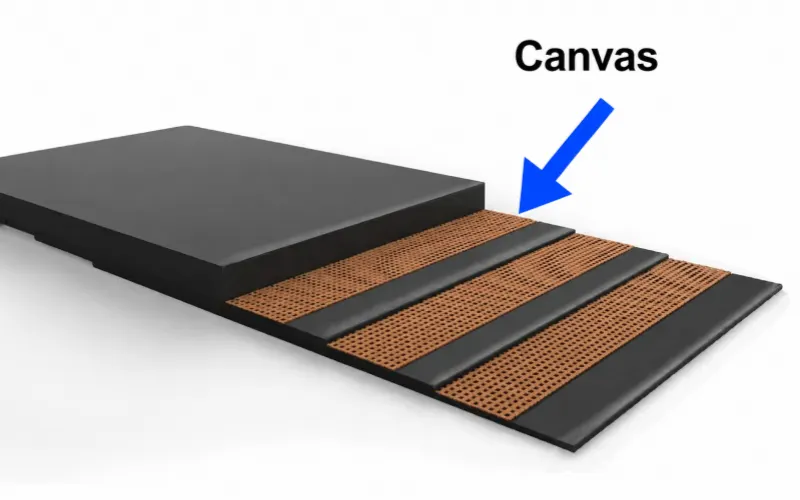
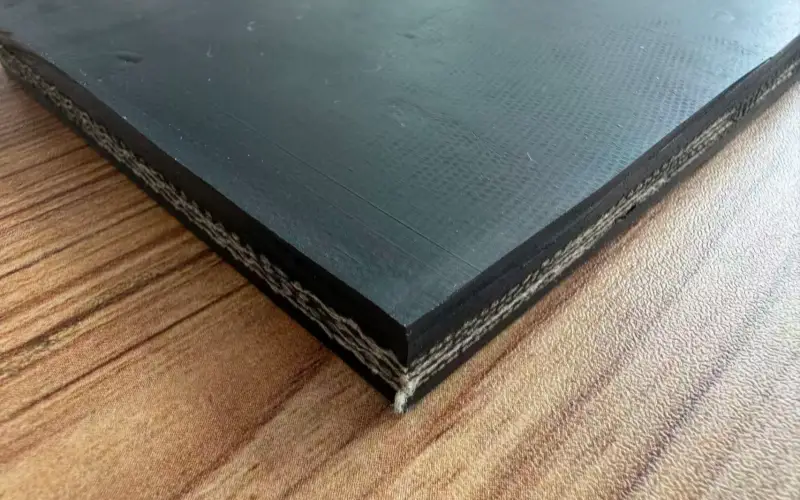
A canvas Conveyor Belt is a fabric-reinforced rubber conveyor belt that uses woven canvas as the internal tensile carcass. The carcass supports belt tension, bending flexibility, and running stability, while the rubber cover protects the fabric layers from material contact, surface wear, moisture, and daily conveying stress.
In industrial B2B supply, canvas Conveyor Belt is commonly selected for light to medium-duty conveying systems that require flexible belt movement, practical replacement cost, and stable rubber-to-fabric bonding. As a traditional cotton Conveyor Belt structure, it is widely used where smooth operation, easy maintenance, and dependable batch supply are more important than high-tension conveying capacity.
Common Canvas Conveyor Belt Carcass Options
For most canvas Conveyor Belt orders, the commonly used carcass options are CC56 and TC70. These two structures help buyers match flexibility, running stability, and cost control for light to medium-duty conveying systems.
CC56
Cotton Warp + Cotton Weft
CC56 is designed for regular light-duty conveying where a flexible belt body, practical replacement cost, and stable rubber bonding are required.
Main Advantage
Recommended Use
CC56
Polyester warp + Cotton Weft
CC56 is designed for regular light-duty conveying where a flexible belt body, practical replacement cost, and stable rubber bonding are required.
Main Advantage
Recommended Use
Both carcass structures can be supplied as rubber canvas Conveyor Belt with customized ply, width, cover rubber, edge type, roll length, and export packing for B2B orders.
Why Our Canvas Conveyor Belts Are Suitable for Replacement
Replacement buyers need more than a standard belt size. A reliable canvas conveyor belt should match the real operating condition, reduce avoidable maintenance issues, and support consistent repeat orders for distributors, OEM buyers, and industrial users.
Overstretching of Conveyor Belts
Many replacement buyers worry that conveyor belts will slack after installation, requiring repeated tension adjustments. Our canvas conveyor belts offer optional carcass structures to accommodate different load levels, allowing buyers to match the strength, flexibility, and operational stability of the conveyor belt before production, rather than simply choosing based on price.
Rubber Peeling or Layer Separation Issues
Fabric rubber conveyor belts can fail prematurely if the carcass and rubber cover layer are not properly matched. Our canvas conveyor belts use heat-bonding technology, bonding the cover rubber to the layers in a single process, helping the conveyor belt maintain better structural integrity during normal bending, pulley contact, and daily material handling.
Premature Aging and Damage of Cover Rubber
Standard rubber cover layers are not suitable for all material contact conditions. We offer a variety of abrasion-resistant, oil-resistant, heat-resistant, moisture-proof, and mixed-condition-resistant rubber covers, allowing canvas conveyor belts to be selected based on the materials being conveyed, rather than using a single specification.
Canvas Rubber Conveyor Belt Structure
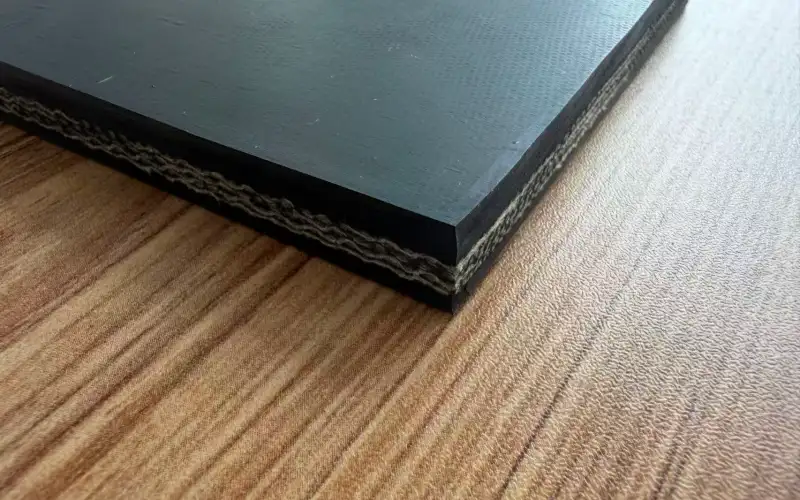
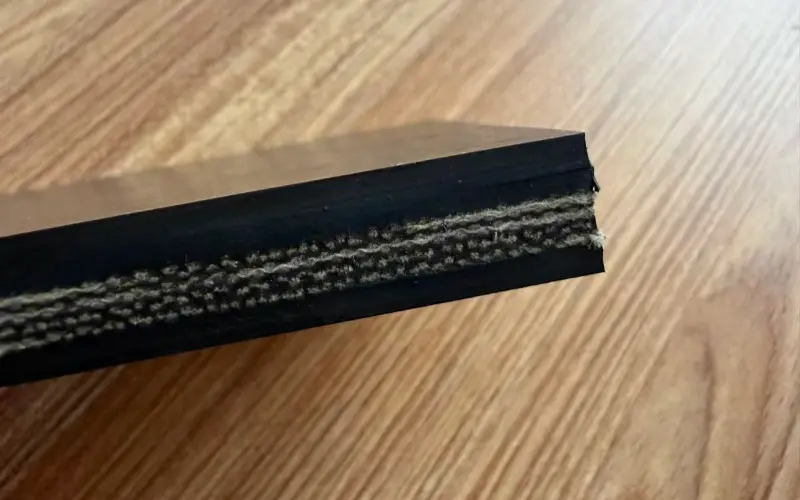
The nylon conveyor belt is built with a multi-layer rubber and fabric structure. Each layer plays a specific functional role in load support, wear resistance, and operational stability during continuous conveying.
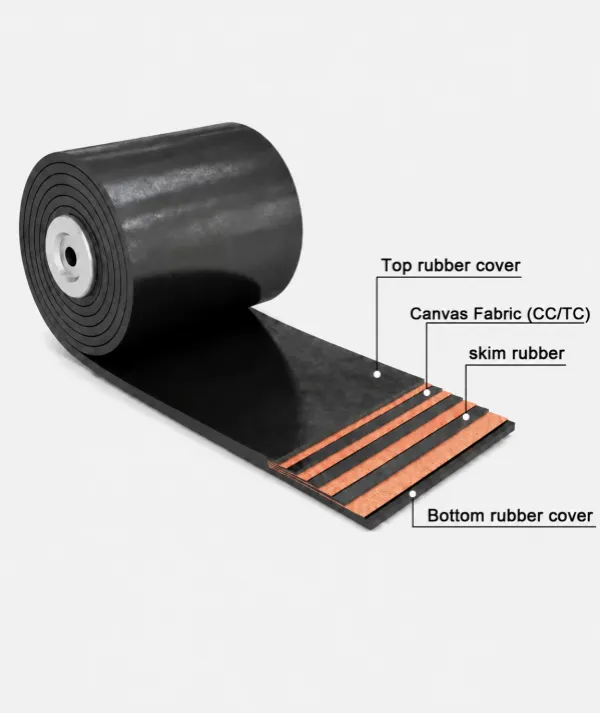
Top Rubber Cover
Depending on the specific application and the materials being transported, select different top cover rubbers to protect the canvas ply.
Canvas Fabric Carcass
Provides primary tensile support, belt flexibility, and structural stability for light- and medium-duty conveyor systems. Available in two versions: pure cotton and cotton-polyester blend.
Skim Rubber Between Plies
Bonds fabric layers together and helps distribute stress between plies during pulley transition and repeated bending.
Bottom Cover
Can be supplied with bottom cover rubber or adjusted for light-duty systems where pulley-side wear is limited.For light loads, you can also choose an adhesive-free option.
You should select your canvas conveyor belt structure based on your conveyed material, belt load, conveyor length, pulley contact, and replacement needs. The right structure is not only about belt thickness. You also need to consider how the cover rubber, canvas carcass, and bonding layer work together in daily operation.
Canvas Conveyor Belt Specifications
You can select your canvas conveyor belt specification according to carcass type, ply number, belt strength, cover thickness, and belt width. The following data is based on available CC and TC carcass structures for light and medium-duty B2B conveying orders.
Carcass Strength and Ply Structure
| Carcass | Warp | Weft | Type | Carcass Thickness | 2 Ply | 3 Ply | 4 Ply | 5 Ply | 6 Ply |
|---|---|---|---|---|---|---|---|---|---|
| CC | Cotton | Cotton | CC56 | 1.10 mm/p | 112 N/mm | 168 N/mm | 224 N/mm | 280 N/mm | 336 N/mm |
| TC | Polyester | Cotton | TC70 | 1.00 mm/p | 140 N/mm | 210 N/mm | 280 N/mm | 350 N/mm | 420 N/mm |
Cover and Belt Range
Adhesion and Elongation Data
| Inspection Item | Mean Value | Lowest Data |
|---|---|---|
| Adhesion Between Plies | ≥ 4.5 N/mm | ≥ 3.9 N/mm |
| Rubber and Carcass Adhesion, 0.8–1.5 mm Cover | ≥ 3.2 N/mm | ≥ 2.4 N/mm |
| Rubber and Carcass Adhesion, Cover Over 1.5 mm | ≥ 3.5 N/mm | ≥ 2.9 N/mm |
| Longitudinal Elongation at Break | 10% | 10% |
| Longitudinal Reference Tensile Rate | 2% | 2% |
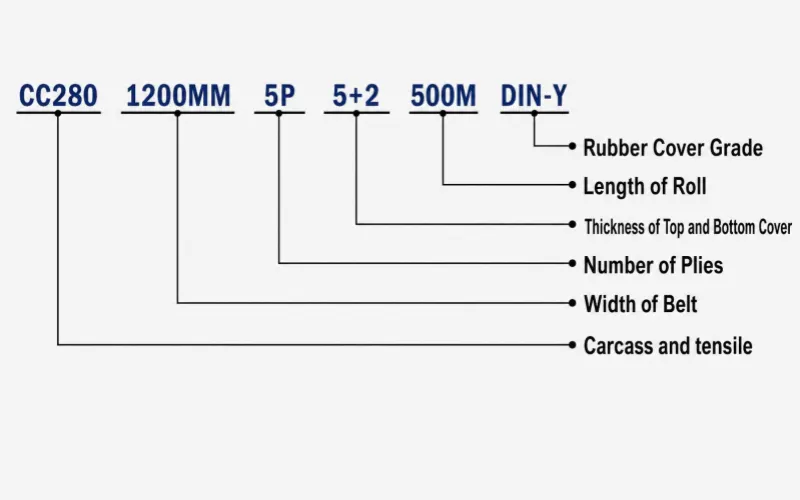
Information Required for Technical Evaluation
To support accurate engineering evaluation of your canvas conveyor belt requirement, please provide the following details in your inquiry.
- Carcass and Tensile Stength
- Width of Steel Cord Conveyor Belt
- Thickness of Top and Bottom Cover
- Number of Canvas Plies
- Length of Roll
- Rubber Cover Grade
Need a Custom Canvas Conveyor Belt Solution?
Where Canvas Conveyor Belts Can Be Used
Canvas conveyor belt is designed for light to medium-duty industrial conveying systems where stable belt movement, flexible carcass behavior, and reliable rubber protection are required.
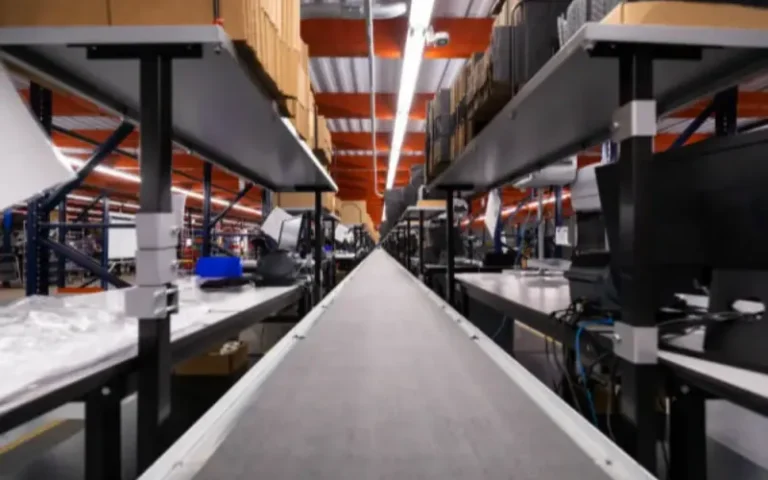
Industrial Packaging & Production Lines
Used in internal production transfer lines for cartons, packaged goods, and assembled components. These systems require stable running, frequent start-stop operation, and consistent belt tracking under medium load conditions.
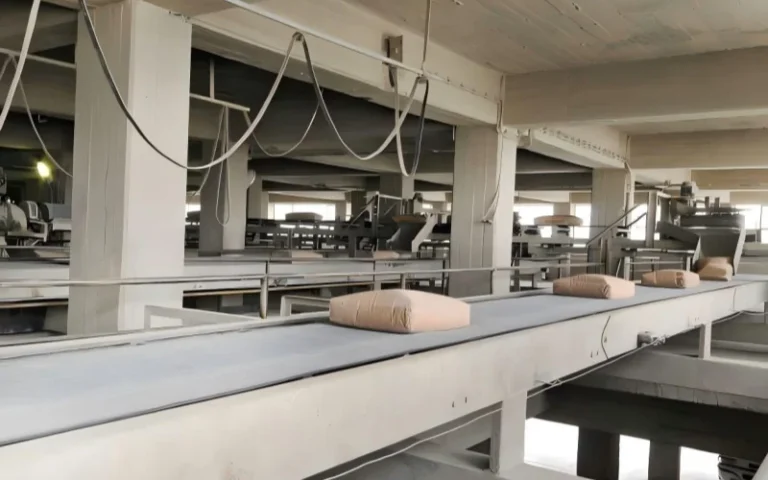
Workshop Internal Conveying Systems
Used for material transfer between production stages, including semi-finished goods and standard industrial components. These systems require flexible belt behavior and stable performance over short to medium conveyor distances.
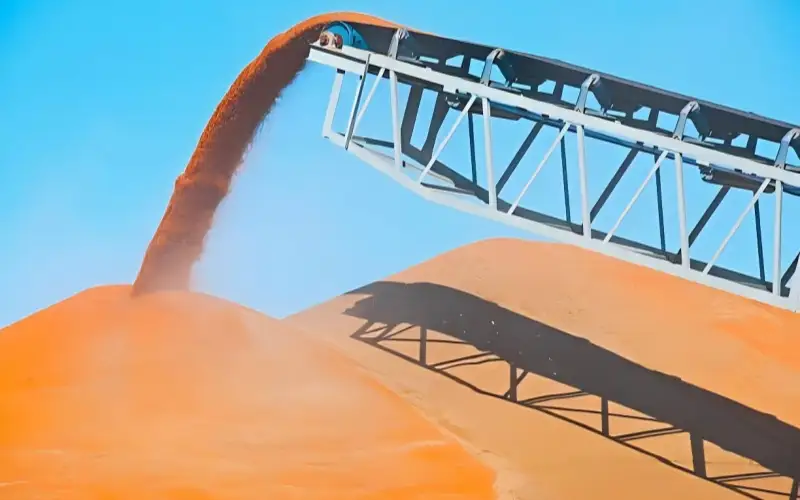
Agricultural & Dry Material Handling
Applied in grain, feed, seed, fertilizer, and other dry bulk material conveying systems. Selection depends on abrasion level, moisture exposure, and continuous operating stability under medium-duty conditions.
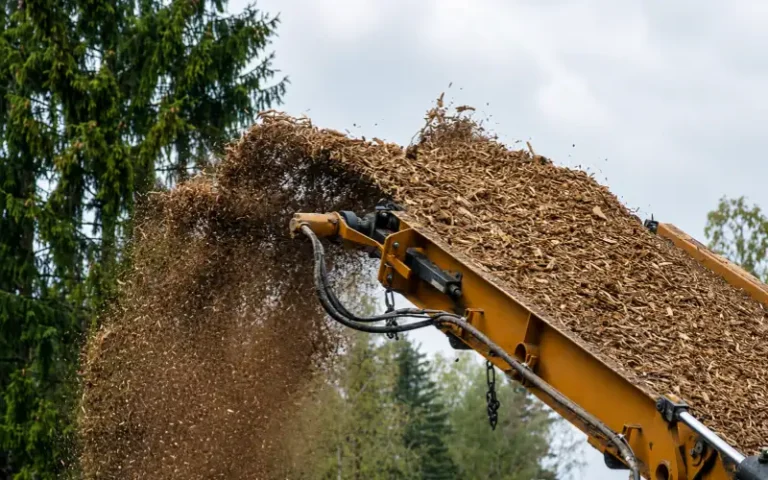
Wood, Paper & Light Recycling Handling
Suitable for sawdust, wood chips, paper, and light recyclable materials. Selection is based on surface abrasion level, material consistency, and stable conveying performance under repeated loading cycles.
Canvas Conveyor Belt Custom Options
For B2B orders, in addition to offering customization of standard sizes, thicknesses, and the number of fabric layers, we also provide additional product customization services for brands and end-users with specialized needs.
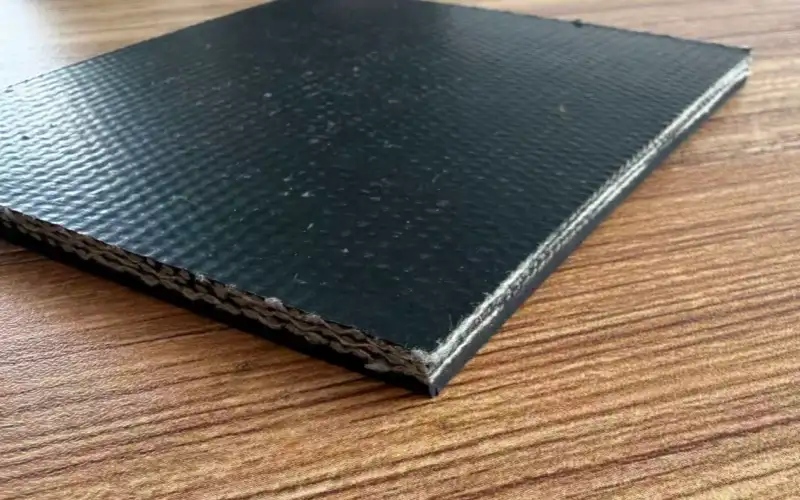
Cover Rubber Configuration
You can choose different cover thickness options and single-side covering based on your conveyor requirements, including bottom cover without additional treatment.
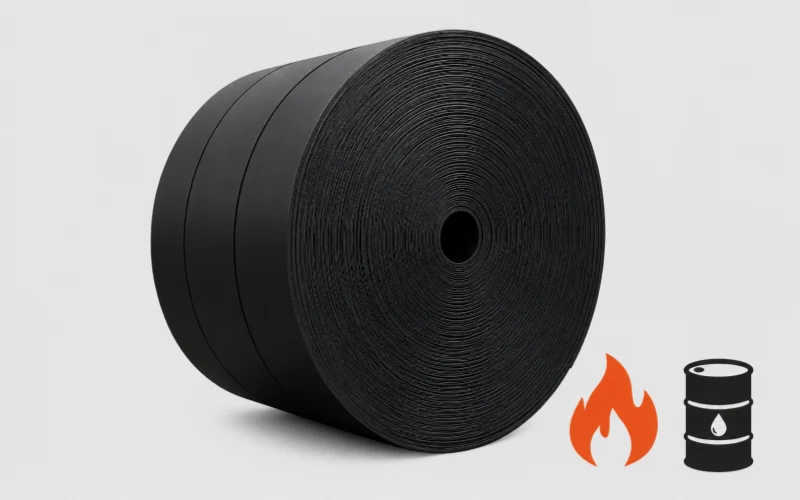
Combined Rubber Performance
You can request combined performance cover layers designed for multi-condition use in continuous conveying systems.
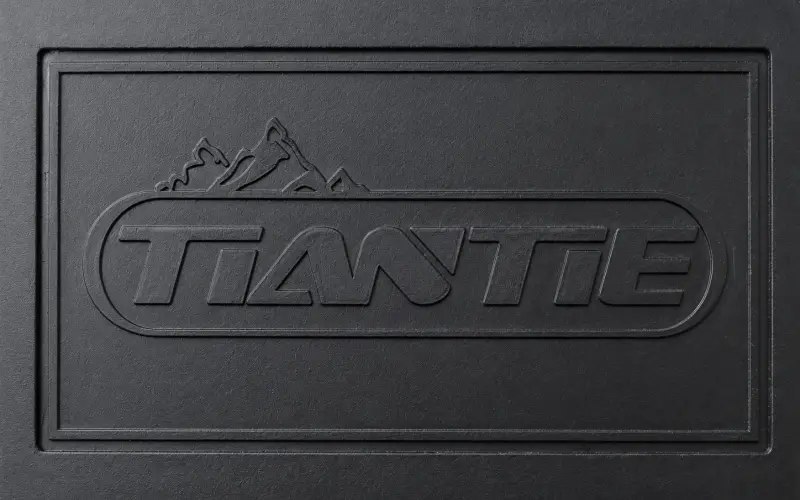
Logo & Belt Marking
You can add your company logo or identification marking on the belt surface for branding, inventory tracking, or distributor management purposes.
Build Quality For Each Canvas Conveyor Belt
Canvas conveyor belt production is managed through structured manufacturing steps with stage-by-stage inspection to ensure stable and controlled output.
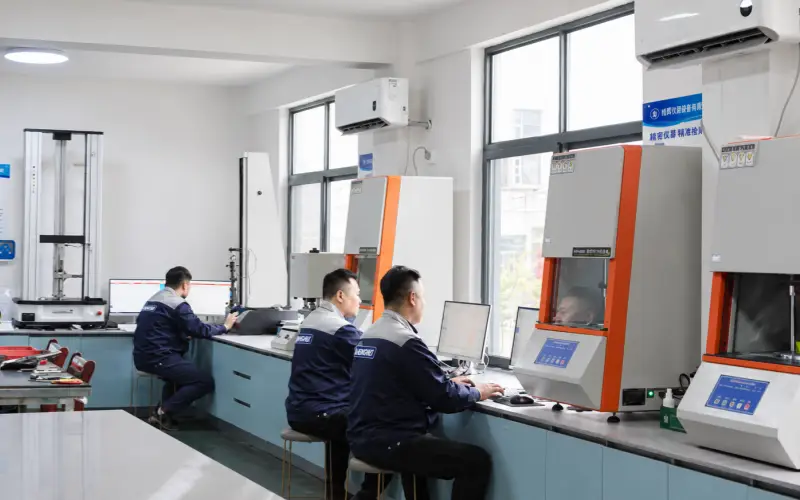
Rubber Compound R&D Team
We have an 80-person technical team focused on rubber compound development, responsible for designing and improving rubber formulations according to different industrial conveying requirements.
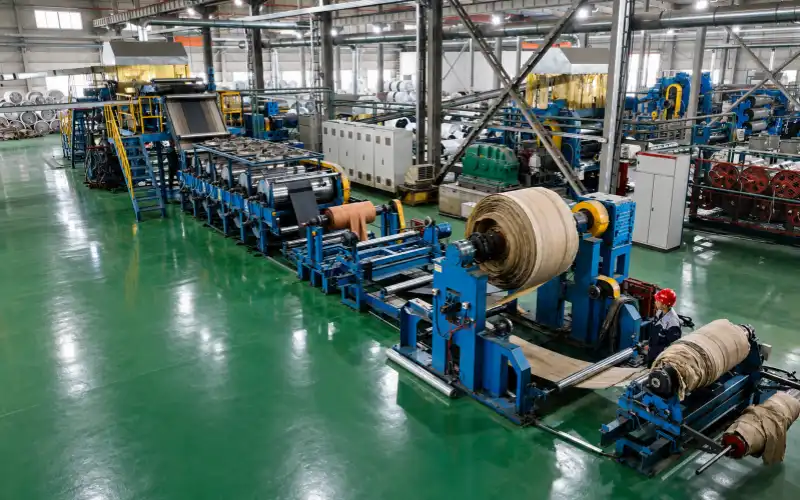
Heat Bonding Technology
We use heat bonding technology to improve interlayer adhesion and solve issues such as uneven pressure distribution and edge groove formation, ensuring stable bonding between fabric layers during belt operation.

Step-by-Step Process Inspection
Each production step is independently inspected before moving to the next stage. Fabric alignment, bonding condition, and forming accuracy are all controlled during the manufacturing process.
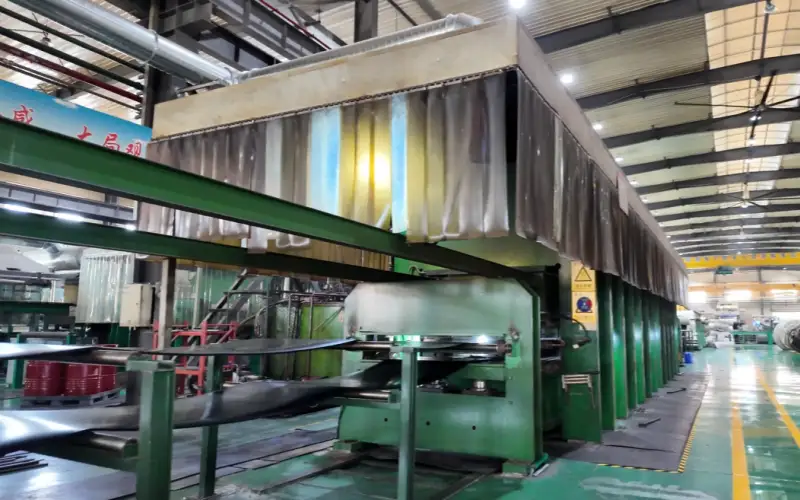
Digital-Controlled Vulcanization System
We use a digital-controlled dual-layer vulcanization system to precisely manage temperature, pressure, and curing time, ensuring stable and repeatable curing conditions across all production batches.
Quality Built Through Process Control
From rubber mixing to lamination, vulcanization, and final inspection, every process step is strictly managed to ensure stronger bonding, fewer structural defects, and reliable performance in continuous conveying conditions.
NN vs EP vs Canvas Conveyor Belt
Different carcass structures are designed for different conveying conditions. Selection depends on load requirement, belt tension, and operating environment.
| Item | Canvas Conveyor Belt | EP Conveyor Belt | NN Conveyor Belt |
|---|---|---|---|
| Fabric Structure | Cotton-based fabric carcass | Polyester (warp) + Nylon (weft) | Nylon-based fabric carcass |
| Main Feature | Flexible structure for general conveying systems | High tensile stability and dimensional control | High flexibility and impact resistance |
| Load Level | Light to medium duty | Medium duty | Light to medium duty |
| Belt Behavior | Stable under normal operation | Stable under long-distance conveying | Flexible under dynamic loading |
| Typical Application | General industrial material transfer | Medium-distance conveying systems | Frequent start-stop systems |
| Selection Focus | Flexibility + general use | Stability + tension control | Flexibility + impact resistance |
Send your cotton conveyor belt details to get a tailored canvas conveyor belt solution and quotation.
How We Handle Your Canvas Conveyor Belt Order
We simplify the inquiry process to help you get technical recommendations and quotation faster based on your belt or system conditions.
Send Your Belt Information
First, please provide your canvas conveyor belt specifications, including belt width, length, carcass type (CC or TC if known), and material being conveyed.If available, you can also send photos or specification markings of your existing belt for faster identification.Only if necessary, conveyor system parameters can be provided as supplementary information.
Technical Evaluation & Quotation
Our engineering team evaluates your requirement based on belt specifications or conveyor working conditions.We then recommend the most suitable canvas conveyor belt structure and configuration, and provide a technical quotation according to your application needs.
Order Confirmation, Production & Delivery
Once the order is confirmed,Production will proceed directly according to confirmed specifications.After manufacturing, the canvas conveyor belt will be inspected, packed (standard packaging or customized packaging available), and shipped.
FAQs
What if my canvas conveyor belt information is incomplete or partially unknown?
What factors most directly affect canvas conveyor belt service stability?
How do you ensure the recommended canvas conveyor belt matches my actual working conditions?
What packaging options are available for canvas conveyor belts?
Need Technical Support for Your Canvas Conveyor Belt Selection?
If you need to confirm whether an Canvas Conveyor Belt fits your application, our team can review your working conditions and provide technical evaluation before production.
