China Nylon Conveyor Belt Manufacturer
Nylon Conveyor Belt is engineered for dynamic conveying systems requiring high flexibility, impact absorption, and stable operation under medium-to-heavy load conditions. It is widely used where conveyor systems experience frequent start-stop operation, shock loading, and alignment variation.
- 1–5 years quality warranty based on belt construction and working conditions
- Factory direct supply with competitive B2B pricing
- 12-hour response service mechanism
- Over 20 years of manufacturing experience in rubber conveyor belts
What Is Nylon Conveyor Belt
A Nylon Conveyor Belt is a fabric-reinforced conveyor belt that uses nylon (NN) fabric as its tensile carcass. It is designed to deliver reliable strength and flexibility in medium-duty to heavy-duty conveying systems. The structure allows the belt to maintain stable operation under continuous loading and dynamic working conditions.
Compared with other textile conveyor belts, nylon belts offer higher elongation and excellent impact resistance. This makes them suitable for applications with frequent start-stop cycles, variable loads, and complex conveying routes.

Nylon Rubber Conveyor Belt Structure
The nylon conveyor belt is built with a multi-layer rubber and fabric structure. Each layer plays a specific functional role in load support, wear resistance, and operational stability during continuous conveying.
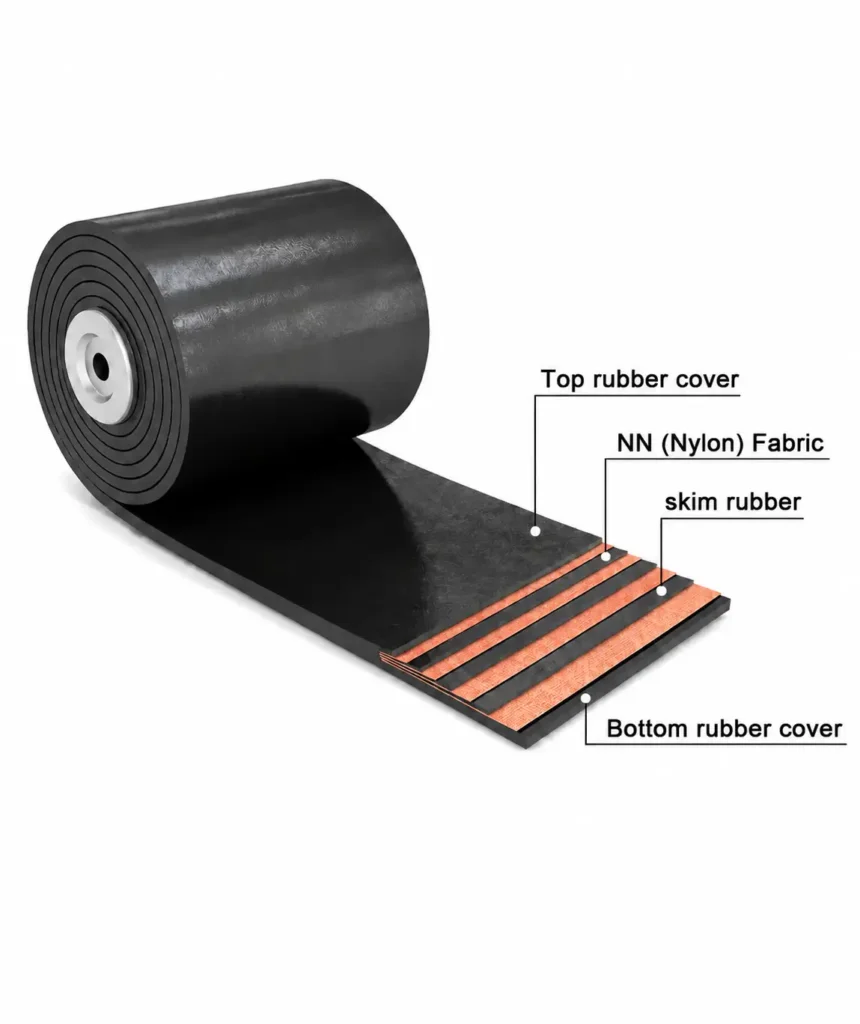
Top Rubber Cover
Protects the belt surface from abrasion, impact, and direct contact with conveyed materials, ensuring longer service life in industrial environments.
NN (Nylon) Fabric Layer
Core reinforcement layer that carries tensile load and maintains belt stability during continuous operation and high-load conveying conditions.
Skim Rubber
Acts as a bonding layer between fabric plies, ensuring strong adhesion and preventing delamination under repeated stress and flexing cycles.
Bottom Cover
Provides wear resistance and stable friction performance with conveyor rollers, supporting smooth belt movement during operation.
Rubber Cover Selection for Nylon Conveyor Belt
| Rubber Type | Property | Application Scenario | Engineering Selection Logic |
|---|---|---|---|
| NR / SBR Blend | General Purpose | Agriculture, grain, feed, cement, ports | Standard working conditions with balanced performance requirements |
| High-Abrasion SBR | Abrasion Resistant | Mining, grain handling, cement clinker, fertilizer | Used where surface wear is the main operating factor |
| EPDM | Heat Resistant | Cement plants, steel plants, grain drying systems | Suitable for continuous high-temperature environments |
| BR Blend | Impact Resistant | Loading zones, transfer points, port unloading | Used where material drop impact occurs frequently |
| NBR | Oil Resistant | Agricultural machinery, feed processing, recycling systems | Applied where oil or grease exposure affects belt surface |
Need more multiple rubber properties at the same time?
More and more customers are seeking rubber with multiple combined properties, such as flame retardancy and oil resistance, or flame retardancy and cold resistance. If you have similar needs, please contact us.
Technical Specifications of Nylon Conveyor Belt
The following technical data is based on our engineering production range for steel cord conveyor belts. Specifications may vary depending on project conditions, conveyor system design and application requirements.
| Carcass Type | Carcass Thickness (mm/p) | Strength (N/mm) | Cover Thickness (mm) | Width (mm) | |||||
|---|---|---|---|---|---|---|---|---|---|
| 2ply | 3ply | 4ply | 5ply | 6ply | Top Cover | Bottom Cover | |||
| NN100 | 1.00 | 200 | 300 | 400 | 500 | 600 | 1.5–30 | 1.5–20 | 300–3500 |
| NN125 | 1.00 | 250 | 375 | 500 | 625 | 750 | |||
| NN150 | 1.10 | 300 | 450 | 600 | 750 | 900 | |||
| NN200 | 1.20 | 400 | 600 | 800 | 1000 | 1200 | |||
| NN250 | 1.40 | 500 | 750 | 1000 | 1250 | 1500 | |||
| NN300 | 1.60 | 600 | 900 | 1200 | 1500 | 1800 | |||
| NN350 | 1.70 | 700 | 1050 | 1400 | 1750 | 2100 | 2–30 | 2–20 | |
| NN400 | 1.90 | 800 | 1200 | 1600 | 2000 | 2400 | |||
| NN500 | 2.10 | 1000 | 1500 | 2000 | 2500 | 3000 | |||
| NN630 | 2.60 | 1260 | 1890 | 2520 | 3150 | 3780 | |||
| Carcass Type | Adhesion | Elongation | |||
|---|---|---|---|---|---|
| Between Plies N/mm | Between Rubber and Carcass Cover Thickness 0.8–1.5mm N/mm | Between Rubber and Carcass Cover Thickness >1.5mm N/mm | Longitudinal Elongation at Break % | Longitudinal Reference Tensile Rate % | |
| Mean Value | ≥ 4.5 | ≥ 3.2 | ≥ 3.5 | ≤ 10 | ≤ 2 |
| Lowest Data | ≥ 3.9 | ≥ 2.4 | ≥ 2.9 | ≤ 10 | ≤ 2 |
Information Required for Technical Evaluation
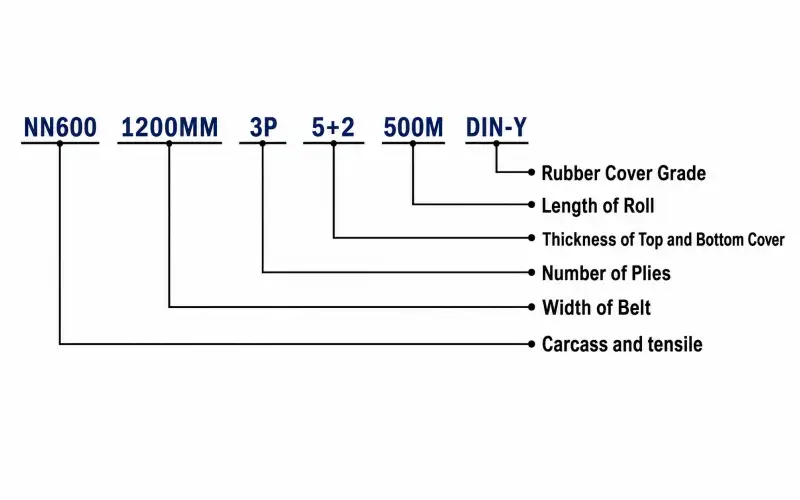
To help our engineers evaluate your NN conveyor belt requirements more accurately, please include the following information in your inquiry.
- Carcass and Tensile Stength
- Width of Steel Cord Conveyor Belt
- Thickness of Top and Bottom Cover
- Number of NN Fabric Plies
- Length of Roll
- Rubber Cover Grade
Need a Custom Nylon Conveyor Belt Solution?
For applications outside our regular manufacturing range, including higher strength ratings, special belt widths, reinforced carcass designs, tailored cover rubber properties, or system-specific operating requirements, you can send us your drawings, working conditions, or project data for technical review.
Where Nylon Conveyor Belts Can Be Used
Nylon Conveyor Belt is widely used in medium-to-heavy duty conveying systems where flexibility, impact absorption, and stable running performance are required. Its nylon fabric structure makes it suitable for industries with variable loads, frequent operation, and complex material handling conditions.

Agriculture & Grain Handling
Used for grain, corn, feed, seed conveying systems. The flexible NN carcass adapts well to frequent start-stop operation and helps maintain smooth running in agricultural transfer lines.
Cement & Building Materials
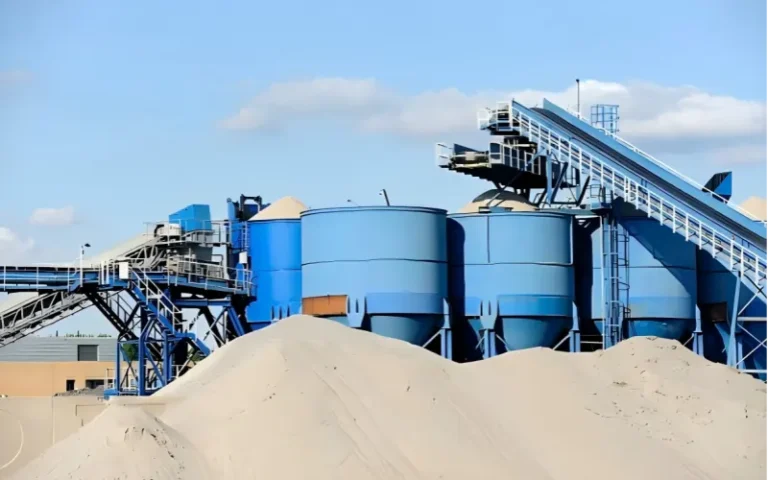
Applied in cement plants, clinker transport, limestone handling, sand conveying, and aggregate transfer systems. The NN structure works with abrasion-resistant covers for harsh material contact.
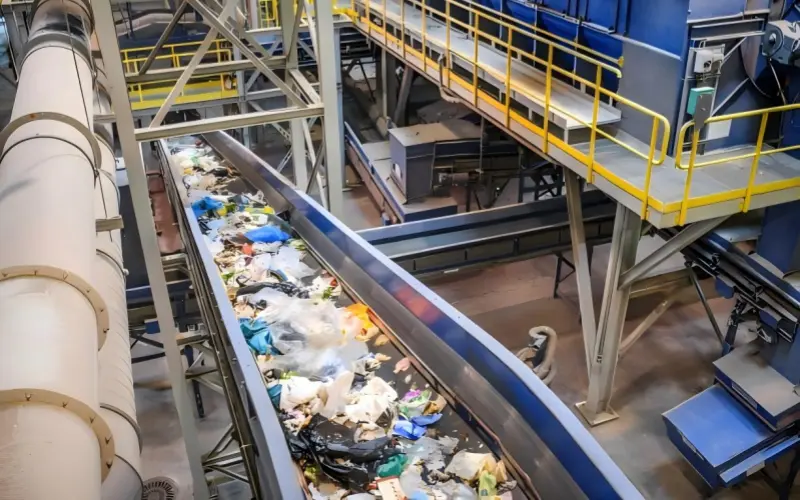
Recycling & General Industry
Used for waste sorting, recycled material transport, and factory production lines. NN Conveyor Belt performs well where load, speed, and operating conditions often change.
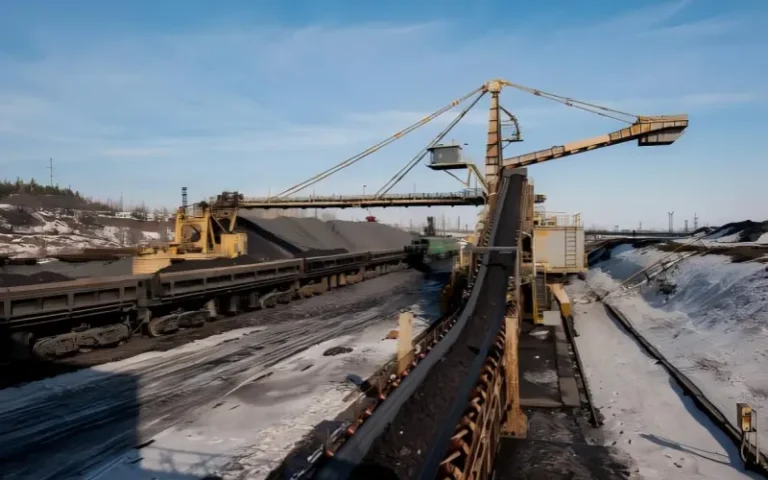
Mining & Quarrying
Suitable for coal, ore, crushed stone, and quarry material conveying. Its nylon reinforcement provides flexibility and shock absorption for medium-to-heavy duty systems with loading impact.

Ports & Bulk Terminals
Used for bulk cargo loading, unloading, and transfer lines. NN Conveyor Belt handles variable material flow well, making it suitable for changing load conditions and long working hours.
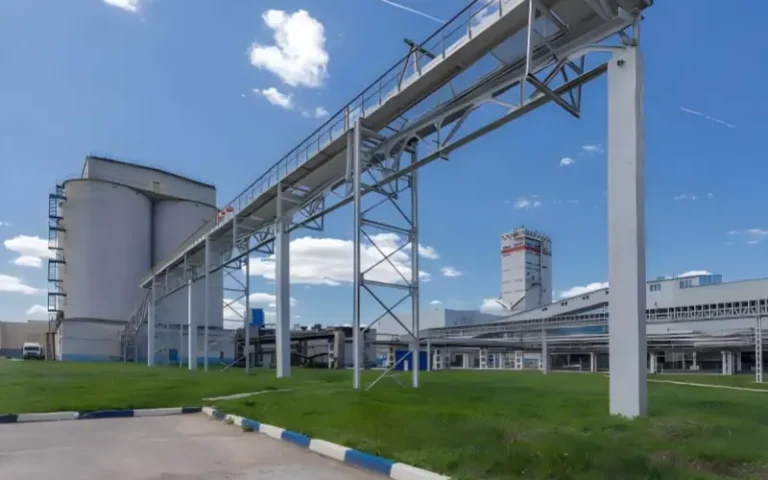
Fertilizer Handling
Used for grain, corn, seed, and agricultural product conveying systems. The flexible NN carcass adapts well to frequent start-stop operation and helps maintain smooth running in agricultural transfer lines.
Nylon Conveyor Belt vs EP Belt vs Steel Cord Belt
Nylon Conveyor Belt is not a low-cost replacement for steel cord belt, and it is not the same as EP belt. The correct choice depends on load level, conveying distance, impact condition, belt flexibility, and running stability requirements.
| Belt Type | Carcass Structure | Main Advantage | Recommended Working Conditions | Selection Logic |
|---|---|---|---|---|
| Nylon Conveyor Belt | Nylon fabric in both warp and weft directions | Good flexibility, impact absorption, and adaptability under changing load conditions | Agriculture, fertilizer handling, ports, cement plants, quarrying, and general bulk material transport | Choose when the system needs flexibility, shock absorption, and stable running under variable operating conditions. |
| EP Conveyor Belt | Polyester warp and nylon weft fabric structure | Better dimensional stability and lower elongation compared with NN belt | Continuous conveying systems where stable belt length and controlled elongation are important | Choose when length stability, lower stretch, and continuous running consistency are the main requirements. |
| Steel Cord Conveyor Belt | Steel cable reinforcement as the main tensile structure | Very high breaking strength, very low elongation, and strong long-distance conveying capacity | Ultra-long-distance, high-tension, high-capacity conveying systems in heavy industrial projects | Choose when the project requires maximum tensile strength, long-distance transport, and heavy-load capacity. |
Choose Nylon Conveyor Belt When
Your system has changing loads, frequent operation, moderate impact, and requires better belt flexibility during daily conveying.
Choose EP Conveyor Belt When
Your conveyor line needs lower elongation, more stable belt length, and consistent operation under continuous load.
Choose Steel Cord Conveyor Belt When
Your project involves over 1km long-distance conveying, high belt tension, large capacity, and strict elongation control.
Nylon Conveyor Belt Working Conditions Selection Guide
NN Conveyor Belt is mainly selected based on conveyor distance, operating tension, load change, impact condition, and system flexibility. The key point is whether the nylon carcass can provide enough strength while still keeping good flexibility during daily operation
Use NN when the system needs flexibility
NN Conveyor Belt is suitable for systems with changing material flow, repeated start-stop operation, and medium-to-heavy load transfer. The nylon carcass has better flexibility than more rigid belt structures, helping the belt adapt to daily load changes without becoming too stiff during operation.
Recommended for short-to-medium conveying systems
Based on common engineering use, NN Conveyor Belt is usually recommended for conveyor systems within about 50–800 meters. For systems around 800–1200 meters, belt selection should be checked according to tension, lift height, belt speed, and material load.
Check whether fabric carcass strength is enough
NN Conveyor Belt is suitable when the calculated operating tension is within the reasonable range of textile reinforced belts. As a practical reference, when system tension is below about 800 N/mm, NN or EP fabric belts are often considered. If the tension is above 800 N/mm, or the project requires very high tension with long-distance conveying, steel cord belt or aramid conveyor belt should be evaluated.
Use NN when material drop impact is frequent
For conveyors with loading points, transfer points, or uneven material feeding, the nylon carcass helps absorb part of the impact force during operation. This makes NN Conveyor Belt suitable for applications where the belt needs flexibility and impact tolerance, not just high tensile strength.
Selection Note
NN Conveyor Belt should not be selected only because it is cheaper than steel cord belt. It is more suitable when the system needs a balance of tensile strength, flexibility, impact absorption, and stable running under medium-to-heavy duty working conditions.
How We Build Stable Quality Into Every NN Conveyor Belt
Good quality in an NN Conveyor Belt is not created by final inspection alone. It comes from rubber mixing, hot lamination, controlled vulcanization, and batch-based inspection working together through a strict production process.
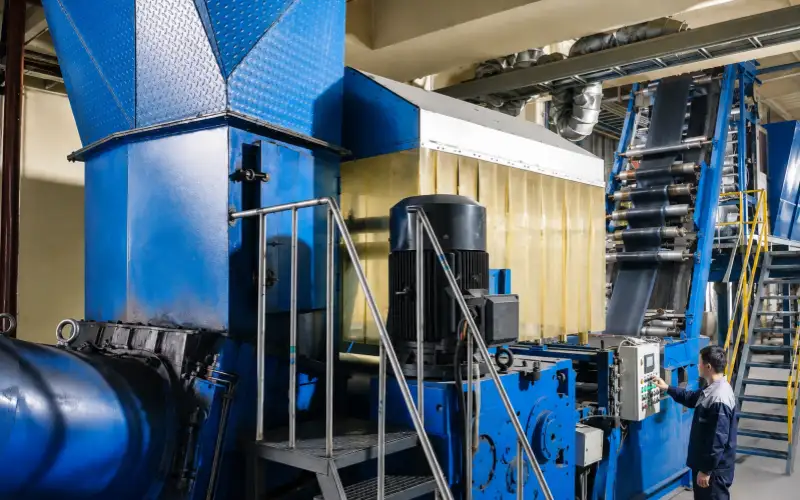
In-House Rubber Mixing & Proven Formulas
We use our own rubber mixing process and factory-developed rubber compound formulas. These formulas have been verified through years of production practice, helping match different requirements such as wear resistance, heat resistance, impact resistance, and oil resistance.
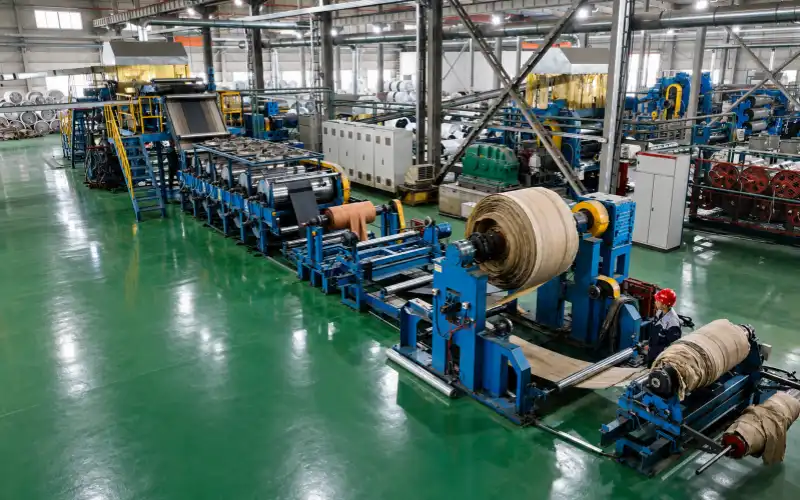
Hot Lamination for Cleaner Layer Bonding
The hot lamination process reduces secondary contamination during belt forming and improves contact between nylon fabric, skim rubber, and cover rubber. It helps prevent edge-groove defects while reducing bubbles, wrinkles, and local hollow areas inside the belt body.
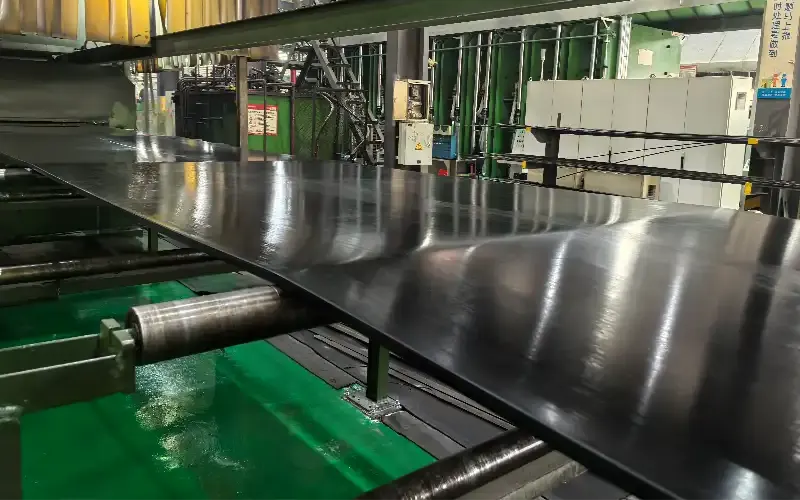
Controlled Vulcanization for Stable Belt Structure
Vulcanization temperature, pressure, and curing time are controlled according to belt thickness, ply structure, and rubber compound requirements. Proper vulcanization helps the rubber layers and nylon carcass form a stable structure with better bonding, elasticity, and surface consistency.

Final Inspection & Batch Traceability
Before shipment, each batch is checked for belt width, cover thickness, surface condition, edge quality, appearance, and order specifications. Production records and inspection results are kept by batch to support traceability for bulk orders and long-term industrial supply.
Quality Built Through Process Control
From rubber formulation to hot lamination, vulcanization, and final inspection, each production step is designed to improve structural bonding, reduce internal defects, and support stable performance in real conveying systems.
Custom Engineering Support for Your Nylon Conveyor Belt Project
Good quality in an Nylon Conveyor Belt is not created by final inspection alone. It comes from rubber mixing, hot lamination, controlled vulcanization, and batch-based inspection working together through a strict production process.
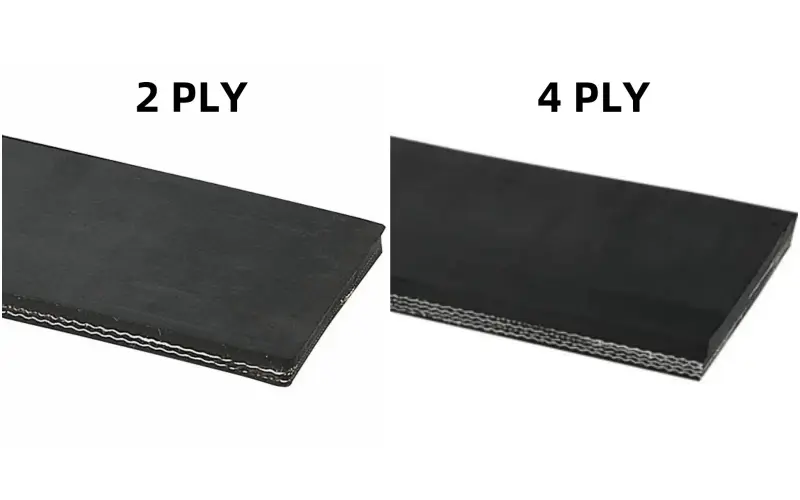
Belt Width, Length, and Ply Customization
We can customize belt width, belt length, NN grade, ply number, and cover thickness according to your conveyor system requirements. This helps match the belt structure to different load levels, installation space, and production line conditions.
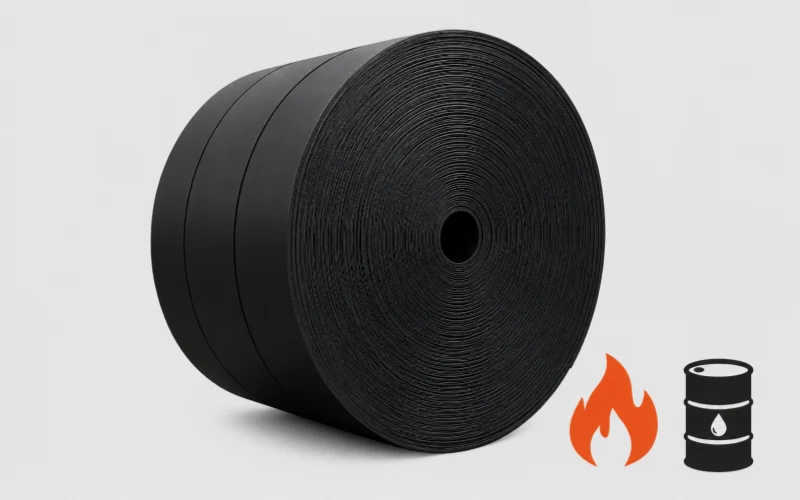
Customized Cover Rubber Performance
We can customize cover rubber with combined performance requirements according to your working environment. Common combinations include oil resistance + cold resistance, flame resistance + oil resistance etc. performance combinations required by industrial applications.
Custom Logo and Belt Marking
Your company logo, brand name, belt model, specification, or batch information can be marked on the conveyor belt surface. This is suitable for distributors, OEM orders, project supply, and private-label industrial belt business.
Simple Inquiry Process for Your Nylon Conveyor Belt Project
Getting a quote for NN Conveyor Belt does not need to be complicated. You only need to confirm your belt requirements, and we will help you move from quotation to production and shipment step by step.
Confirm Your Conveyor Belt Requirements
Send us your required belt width, belt length, NN grade, ply number, cover thickness, rubber performance, and any custom requirements such as logo marking or non-standard production needs.
Receive Quotation, Datasheet, and Confirm Order
After receiving your belt requirements, we will provide a quotation and related datasheet for confirmation. Once price, specification, quantity, and delivery details are confirmed, the order can move forward.
Production, Packing, and Shipment
After order confirmation, we arrange production, inspection, packing, and shipment. Each batch is checked according to the confirmed order requirements before delivery.
Start With Basic Belt Information
You do not need to prepare a complex technical document before contacting us. Basic belt specifications are enough to start the quotation process, and detailed requirements can be confirmed step by step before production.
FAQs
Why does Nylon Conveyor Belt have better flexibility than many other fabric belts?
How does moisture affect NN Conveyor Belt performance?
What causes edge problems in Nylon Conveyor Belt?
Is Nylon Conveyor Belt more likely to stretch than EP Conveyor Belt?
When is Nylon Conveyor Belt not the best choice?
Why is layer bonding important for Nylon Conveyor Belt?
Need Technical Support for Your NN Rubber Conveyor Belt Selection?
If you need to confirm whether an NN Conveyor Belt fits your application, our team can review your working conditions and provide technical evaluation before production.
