China Heat Resistant Conveyor Belt Manufacturer
TIANTIE INDUSTRIAL manufactures heat resistant conveyor belts for continuous hot-material conveying, with T1–T4 grades and heat-resistant cover and cushion compounds developed for repeated thermal exposure.
- T1–T4 Heat-Resistance Grades for Different Operating Temperatures
- Heat-Aging Compound Reduces Cover Hardening and Surface Cracking
- Heat-Resistant Skim Rubber Helps Limit Heat-Related Layer Delamination
- Controlled Compounding Keeps Heat-Resistant Performance Consistent Between Batches
What Is a Heat Resistant Conveyor Belt?
A heat resistant conveyor belt is designed for bulk materials that remain hot when loaded onto the belt. It is also commonly specified as a high temperature conveyor belt or HR conveyor belt in industrial projects.
Heat resistance is incorporated into the belt specification together with the required carcass strength, cover thickness and dimensions. This allows you to maintain the required belt construction while adding the heat-resistant performance needed for hot-material conveying.

T1–T4 Heat Resistant Conveyor Belt Temperature Range
Our T1–T4 heat resistant conveyor belts cover different thermal conditions. The table separates the heat-aging test temperature from the belt surface and conveyed-material temperatures, giving you a more direct reference for your actual operating condition.
| Temperature Parameter | T1 | T2 | T3 | T4 |
|---|---|---|---|---|
| Heat-Aging Test Temperature | ≤100°C | ≤125°C | ≤150°C | ≤175°C |
| Belt Surface Temperature | 100°C | 125°C | 150°C | 180°C |
| Average Material Temperature | 120–130°C | 130–140°C | 140–190°C | 190–220°C |
| Peak Material Temperature | Incandescent Point* | 150°C | 200°C | 200–300°C |
Match Your Belt to the Actual Material Temperature
Send us your average and peak material temperatures, and we will match the corresponding high temperature conveyor belt grade.
Heat-Resistant Rubber Built for Repeated Thermal Exposure
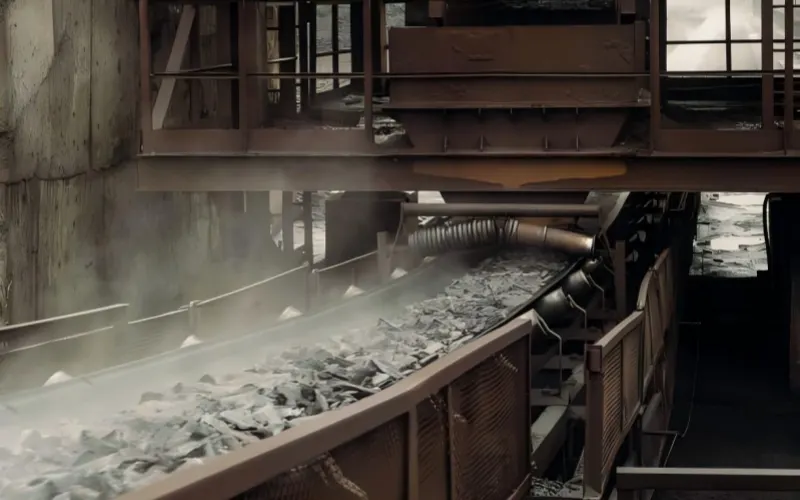
We formulate the cover rubber around the required heat grade using an SBR- or chloroprene-based compound with a heat-stabilizing and curing system. This slows the increase in hardness and loss of elasticity that normally develops during repeated exposure to hot materials.
Heat resistance is also built into the cushion and skim rubber inside the belt, with the formulation matched to its bonding role. As heat transfers through the cover, the internal rubber is better able to maintain the bond between the rubber layers and carcass instead of becoming the weak point of the belt.
- SBR / Chloroprene Rubber — base polymer for the heat-resistant compound
- Antioxidants & Heat Stabilizers — slow thermal and oxidative aging
- Reinforcing Fillers — maintain rubber strength during service
- Curing System — establishes the required rubber network and elasticity
Physical Properties After Heat Aging
For each T1–T4 grade, the heat-aged rubber is evaluated by the change in hardness, tensile strength and elongation. These values give you measurable limits for the rubber properties retained after aging.
| Performance | T1 | T2 | T3 | T4 |
|---|---|---|---|---|
| Hardness Difference Before / After Aging | 20 | 20 | 20 | 20 |
| Maximum Hardness After Aging | 85 | 85 | 85 | 85 |
| Tensile Strength Change Rate | -25% | -30% | -40% | -40% |
| Minimum Tensile Strength After Aging | 12 MPa | 10 MPa | 5 MPa | 5 MPa |
| Elongation Change Rate | -50% | -50% | -55% | -55% |
| Minimum Elongation After Aging | 200% | 200% | 180% | 180% |
Have Specific Physical Property Requirements?
Send us your required hardness, tensile strength or elongation limits for confirmation.
Typical Applications for Heat Resistant Conveyor Belts
Heat resistant conveyor belts are mainly used on production lines where bulk materials still carry significant residual heat during conveying.
Cement Plants
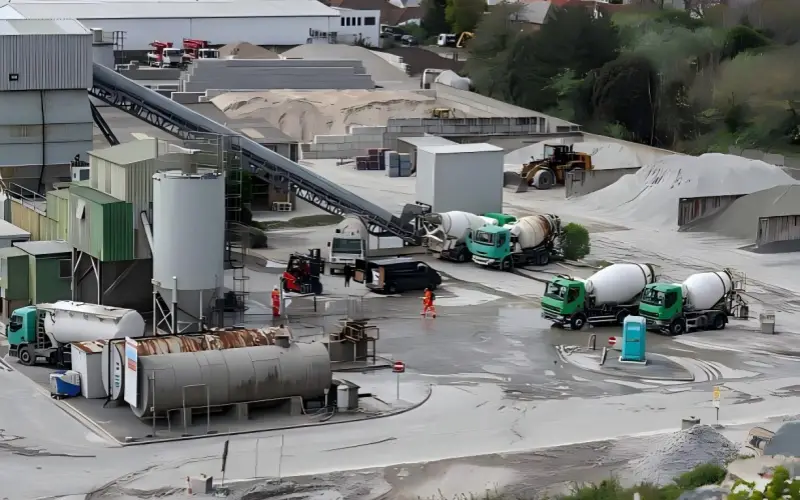
Used for conveying cement clinker, hot cement raw materials and other heated bulk materials between kilns, coolers, storage and downstream handling sections.
Steel Plants
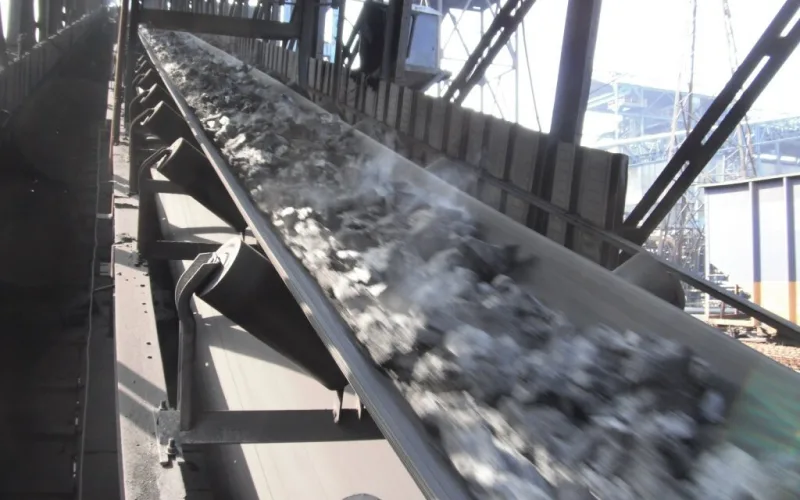
Suitable for conveying sintered ore, hot pellets, coke and other high-temperature bulk materials in sintering, ironmaking and material handling sections.
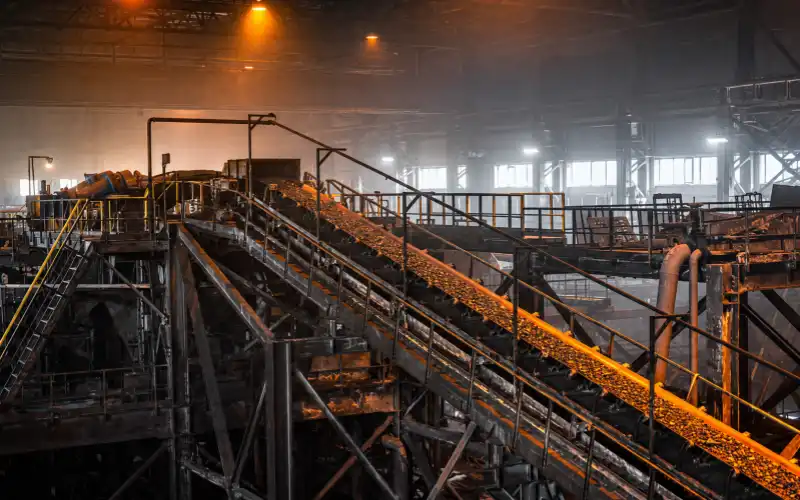
Metallurgical Plants
Hot ore, sintered materials, calcined materials and other heated mineral materials are commonly transferred between thermal processing and downstream handling stages.
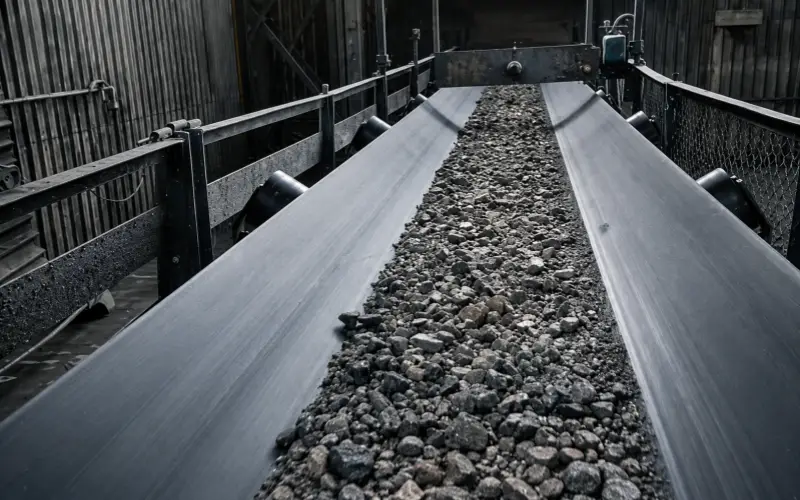
Coking Plants
Used for conveying hot coke and coke-related bulk materials after the coking and cooling processes, especially where the material still carries residual heat when loaded onto the belt.
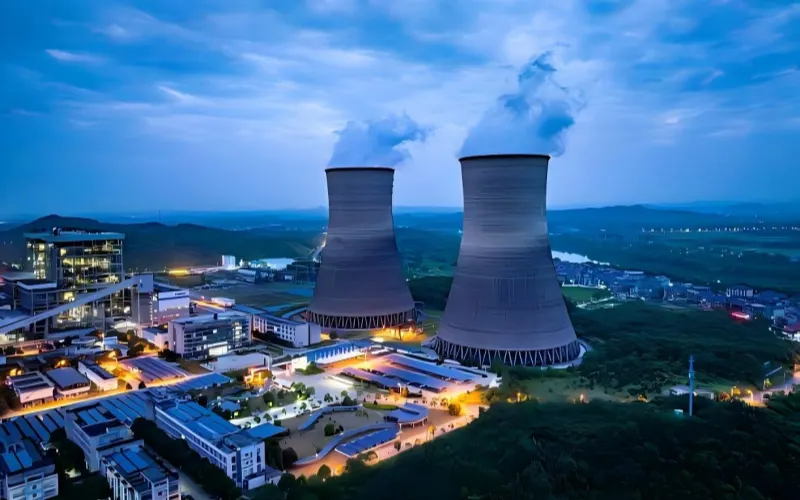
Thermal Power Plants
Boiler ash, bottom ash and slag after preliminary cooling can remain hot when entering downstream conveying systems, making heat-resistant belting appropriate for these transfer sections.
Built for Longer Service Under Continuous Heat
Our heat-resistant belt manufacturing controls are ultimately focused on extending usable belt life and maintaining stable conveying under repeated high-temperature operation.
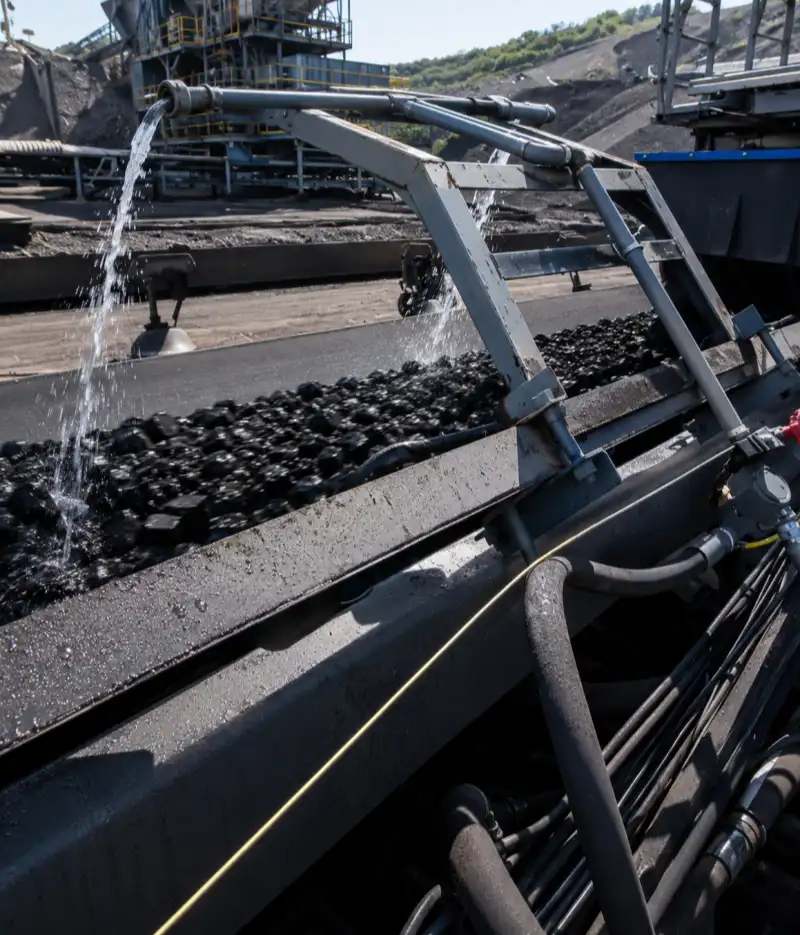
Longer Usable Cover Life
Digital dosing of heat stabilizers, antioxidants and curing agents, combined with ±0.5°C mixing temperature control, produces a more uniform heat-resistant rubber compound. The cover ages more consistently under continuous heat, allowing more of its usable thickness to remain effective for longer and helping extend belt replacement intervals.
Longer-Lasting Belt Structure
Hot lamination creates closer contact between the skim rubber and fabric carcass before vulcanization. Stronger internal integration allows the belt layers to remain bonded through repeated heating, cooling and flexing, supporting longer operating periods before the belt needs to be replaced.
Stable Flexing After Prolonged Heat Exposure
Curing time is matched to the heat-resistant compound using approximately t90 × 1.2–1.3 as the reference. This helps the rubber retain the flexibility required to repeatedly pass around pulleys after thermal aging, giving you more stable conveying over the belt’s service period.
Extend Your Belt Service Interval in High-Temperature Conveying
Tell us your conveyed material and operating temperature.
Heat Resistant vs Fire Resistant Conveyor Belts
Heat-resistant and fire-resistant conveyor belts control two different risks. One limits rubber deterioration caused by prolonged thermal exposure; the other limits continued burning after contact with an ignition source.
| Comparison Point | Heat Resistant Conveyor Belt | Fire Resistant Conveyor Belt |
|---|---|---|
| Primary Purpose | Maintains usable rubber properties during repeated contact with hot conveyed materials. | Limits continued burning and flame propagation after exposure to an ignition source. |
| Main Heat Source | Heat transferred continuously or intermittently from clinker, sinter, coke, ash and other hot materials. | Open flame, frictional ignition, overheated components or burning conveyed material. |
| Main Risk Controlled | Cover hardening, cracking, loss of tensile strength and reduced elongation caused by thermal aging. | The belt continuing to burn and carrying fire along the conveyor after ignition. |
| Main Performance Focus | Hardness, tensile strength and elongation retained after heat aging. | Self-extinguishing behaviour and afterflame duration once the ignition source is removed. |
| Typical Evaluation Basis | ISO 4195 heat-aging requirements and corresponding T1–T4 product grades. | ISO 340 flame testing and the applicable EN 12882 fire-safety category. |
| Key Selection Information | Average and peak material temperatures, belt-surface temperature and duration of thermal contact. | Installation environment, required fire-safety category and whether testing with or without covers is required. |
| Typical Applications | Cement plants, steel plants, coking plants, thermal power plants and metallurgical processing lines. | Underground mining, coal handling and enclosed conveying systems where flame propagation presents a safety risk. |
| What It Does Not Prove | Heat resistance alone does not prove that the belt will self-extinguish after ignition. | Fire resistance alone does not prove that the rubber can withstand continuous hot-material contact. |
| Can Both Be Combined? | Yes. Heat resistance and fire resistance can be specified together when the conveyor faces both thermal aging and ignition risks. | The finished belt must be designed and evaluated for both properties; one designation cannot replace the other. |
FAQs
Why can the material temperature be higher than the belt surface temperature?
Should the splice materials also be heat resistant?
Do hot fines and large hot lumps create the same heat load on the belt?
Can the conveyor stop while hot material is still on the belt?
Does conveyor length affect heat exposure on the belt?
Does the ambient temperature around the conveyor also matter?
Get a Heat Resistant Conveyor Belt Quote
Send us your belt specifications and material temperature for a project-based quotation.
