
China Magnetic Separator Conveyor Belts Factory
TIANTIE INDUSTRIAL manufactures endless magnetic separator conveyor belts and complete cross belt magnetic separator systems. The reinforced belt structure, hot-vulcanized cleats, and wear-resistant rubber cover support stable operation during continuous ferrous material removal.
- Hot-Vulcanized Cleats for Stable Metal Discharge
- Wear-Resistant Covers for Continuous Material Contact
- Reinforced Carcass for Stable Endless Operation
- Factory-Vulcanized Endless Belt Construction
Magnetic Separator Conveyor Belts and Equipment
TIANTIE INDUSTRIAL supplies both replacement magnetic separator conveyor belts and complete cross belt magnetic separator equipment. You can purchase an endless replacement belt for an existing separator or source a complete unit for a new material-handling system.
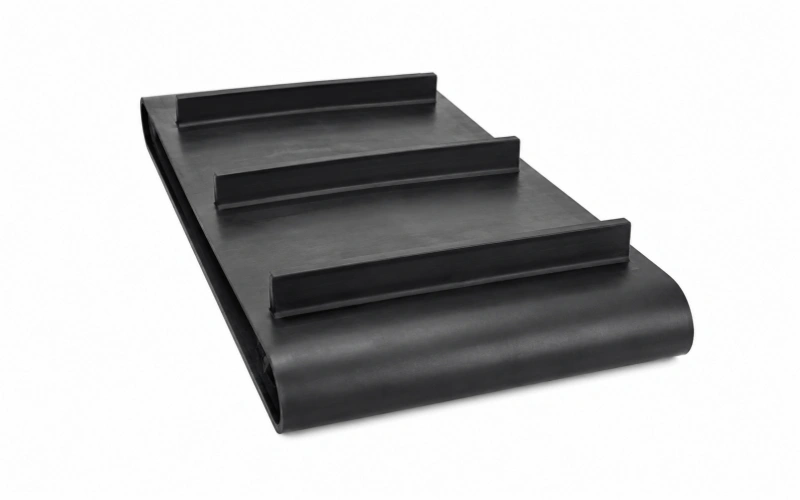
Magnetic Separator Conveyor Belts
Our endless magnetic separator conveyor belts are manufactured for continuous operation on self-cleaning magnetic separators. The belt width, circumference, thickness, cleat dimensions, and rubber compound can be matched to your existing equipment or produced according to your drawing.
- Factory-vulcanized endless construction
- Common standard sizes available from stock
- Custom belt width, circumference, and cleat dimensions
- Rubber compounds for abrasion, cutting, and oil exposure
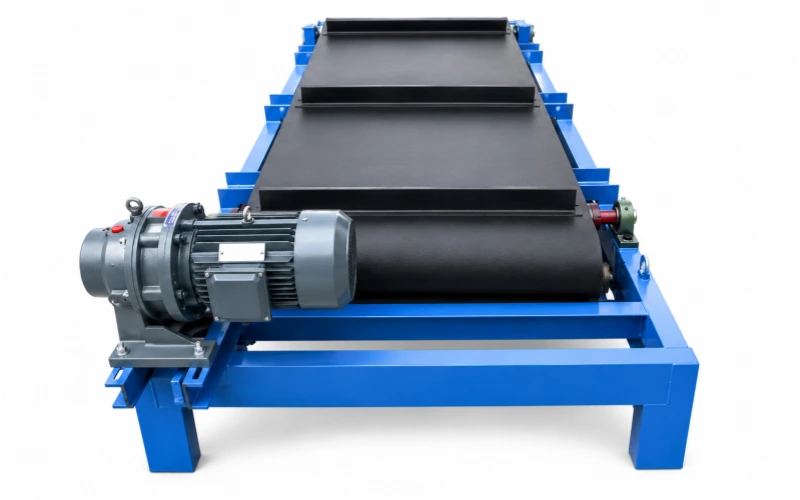
Complete Cross Belt Magnetic Separator
We also supply complete cross belt magnetic separator equipment for continuously removing ferrous materials from conveyed bulk materials. The magnetic system, discharge belt, drive assembly, frame dimensions, and control components can be configured according to your conveyor line.
- Permanent or electromagnetic configurations
- Matched to the main conveyor belt width
- Custom frame and installation dimensions
- Complete magnetic, drive, and discharge belt assembly
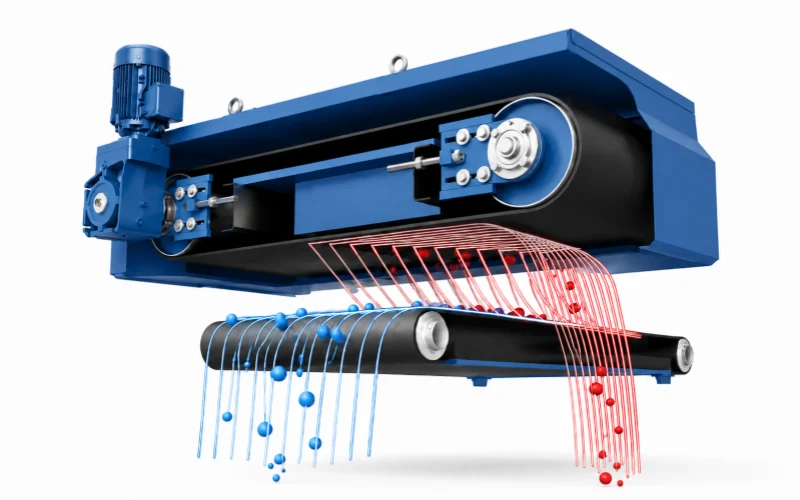
How Magnetic Separator Conveyor Belts Work
A cross belt magnetic separator is installed above the main conveyor to remove ferrous contaminants from conveyed bulk materials. As the material passes beneath the magnetic field, iron pieces are attracted upward and held against the surface of the magnetic separator belt.
The endless belt runs across the magnetic system while the cleats carry the collected metal away from the strongest magnetic area. As the belt reaches the discharge side, the magnetic force gradually weakens, allowing the metal to fall into a collection chute or separate discharge area.
Performance Advantages of Magnetic Separator Conveyor Belts
Our magnetic separator conveyor belts are designed for continuous circulation, stable ferrous material discharge, and repeated contact with metal fragments. The carcass structure, rubber cover, cleat design, and endless vulcanized joint can be adjusted to match the separator dimensions and operating conditions.
Stable Endless Circulation
The reinforced fabric carcass helps control belt elongation and maintains dimensional stability during continuous operation. Belt thickness and carcass construction are matched to the pulley diameter to retain the flexibility required for repeated circulation.
Controlled Ferrous Metal Discharge
Cleat height, thickness, and spacing can be matched to the belt circumference and discharge requirements. The cleats hold and guide collected iron pieces as the belt carries them away from the strongest magnetic area.
Resistance to Cutting and Abrasion
The rubber cover protects the internal carcass from direct contact with iron fragments, scrap edges, and abrasive particles. Cover thickness and rubber compound can be selected according to the material handled by the separator.
Secure Cleat Hot Vulcanization
The rubber cleats are hot-vulcanized onto the belt surface rather than attached by simple adhesive bonding. This creates a stable connection that withstands repeated pulley flexing and continuous discharge operation.
Need a Magnetic Separator Belt Built to Your Equipment?
Send us your existing belt dimensions, drawing, or equipment model. We will confirm the endless belt construction, rubber compound, and cleat specifications for your separator.
Magnetic Separator Conveyor Belt Structure
A magnetic separator conveyor belt consists of a rubber base belt, internal fabric carcass, hot-vulcanized cleats, and a factory-vulcanized endless joint. Each component can be adjusted to match the dimensions and operating structure of the existing magnetic separator.
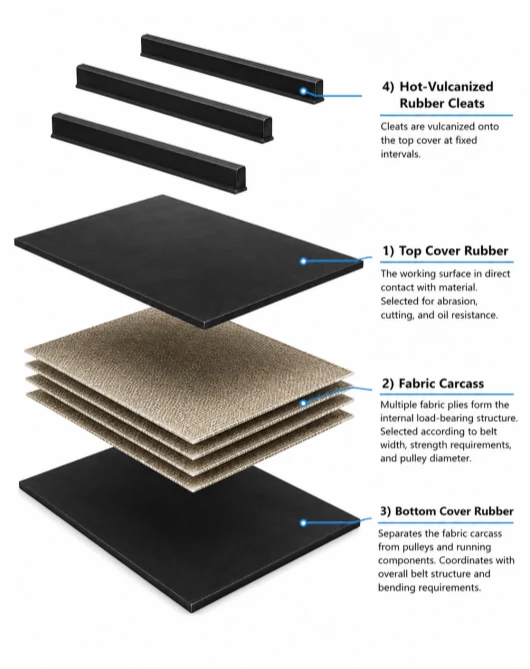
Top Rubber Cover
The top cover rubber forms the working surface in direct contact with collected iron pieces. Its thickness and compound can be selected according to abrasion, cutting, and oil exposure.
Fabric Layer
Multiple fabric plies form the internal load-bearing structure. The carcass specification is selected according to the belt width, endless circumference, total thickness, and pulley diameter.
Bottom Cover
The bottom cover rubber protects the fabric carcass where the belt contacts the pulleys. Its thickness is coordinated with the overall belt structure and required bending flexibility.
Hot-Vulcanized Rubber Cleats
The cleats are positioned at fixed intervals and vulcanized directly onto the top cover rubber. Cleat height, thickness, spacing, quantity, and edge clearance can be produced according to the original belt or customer drawing.
Need a Belt Built to Your Existing Structure?
Send us your current belt dimensions or drawing. We will match the belt construction, cleat layout, and endless circumference to your magnetic separator.
Custom Magnetic Separator Conveyor Belt Options
Standard sizes are available for common separator models, while custom magnetic separator conveyor belts can be produced according to your existing belt, drawing, or equipment dimensions.
Belt Dimensions
Belt width, endless circumference, and total thickness can be matched to the original magnetic separator belt or adjusted for newly designed equipment.
Cleat Dimensions and Layout
Cleat height, thickness, width, spacing, quantity, and edge clearance can be produced according to the required belt circumference and discharge structure.
Rubber Compound
Select abrasion-resistant rubber for continuous mineral contact, cut-resistant rubber for sharp metal fragments, or oil-resistant rubber for contaminated recycled materials.
Carcass and Cover Construction
Fabric ply construction and top and bottom cover thicknesses can be selected according to belt width, pulley diameter, operating tension, and required flexibility.
Magnetic Separator Belt Manufacturing and Inspection
Each magnetic separator conveyor belt is produced through controlled base belt forming, precise cleat positioning, three separate vulcanization stages, and final dimensional inspection. This process allows the base belt, rubber cleats, and endless joint to be manufactured and checked independently before the finished belt is delivered.
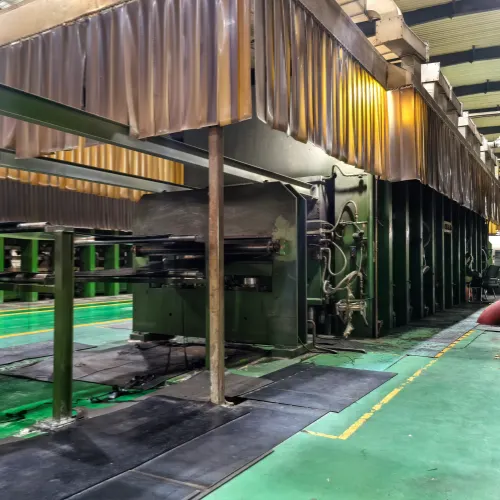
Advanced Base Belt Forming
We use controlled hot-forming technology to build the rubber base belt under uniform temperature and pressure. This improves the bonding between the fabric carcass and rubber layers, reduces uneven thickness, and helps maintain consistent flexibility across the complete belt width.
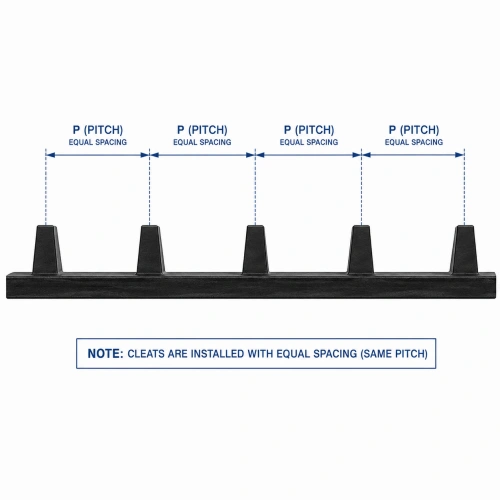
Precise Cleat Positioning
Each rubber cleat is positioned according to the confirmed height, pitch, quantity, and edge clearance. Fixed positioning controls keep the cleats evenly spaced around the belt circumference and ensure that the final layout matches the existing separator or approved drawing.
Controlled Vulcanization for Stable Belt Structure
The belt passes through three separate vulcanization stages. The base belt is vulcanized first to form a stable carcass and cover structure. The cleats are then vulcanized onto the top cover rubber. Finally, the belt joint is vulcanized to create the completed endless loop. Processing each section separately allows the bonding and dimensions of every stage to be controlled before the next stage begins.
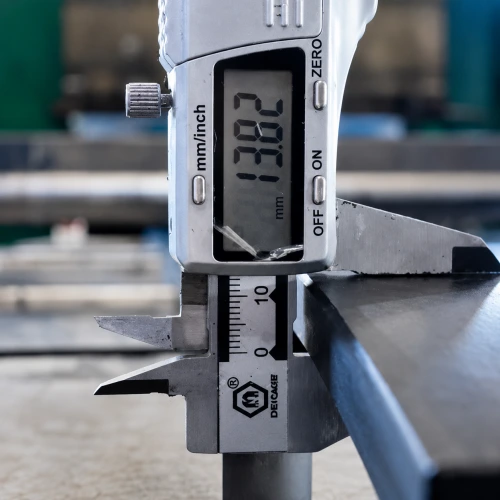
Final Belt Inspection
After the third vulcanization, we inspect the belt width, endless circumference, total thickness, cleat height, cleat pitch, cleat quantity, and edge clearance. The top and bottom surfaces, cleat roots, and endless joint are also checked for uneven bonding, cracks, bubbles, or visible defects.
Three-Step Order Process
We keep the purchasing process straightforward for both standard replacement belts and custom magnetic separator conveyor belts.
Submit Your Belt Requirements
Send the belt dimensions, cleat specifications, drawing, product photos, or an existing sample. For common standard sizes, we first check current stock availability.
Confirm the Quote and Order
We confirm the belt specification, quantity, price, and delivery schedule before the order is placed. Custom dimensions and cleat layouts are reviewed against your drawing or existing belt.
Production and Delivery
In-stock belts can be prepared for shipment directly. Custom belts proceed through base belt production, three-stage vulcanization, final inspection, and export packing before delivery.
