China Aramid Conveyor Belts Manufacturer
Steel-cord strength at half the weight. We build aramid conveyor belts for your toughest lines — mines, cement, ports, high heat — and back every meter with our quality guarantee.
- 20+ years of conveyor belt manufacturing experience
- Internationally certified — ISO, DIN, JIS and more
- Factory-direct supply, fully customized to your needs
- Quality guarantee on every belt we ship
Countries Served
B2B Clients Worldwide
Manufacturing Facility
Monthly Production Capacity
Find the right aramid conveyor belt for your operation
Tell us your industry and working conditions, and we will match you to the right aramid conveyor belt. Here is where ours delivers the most value.
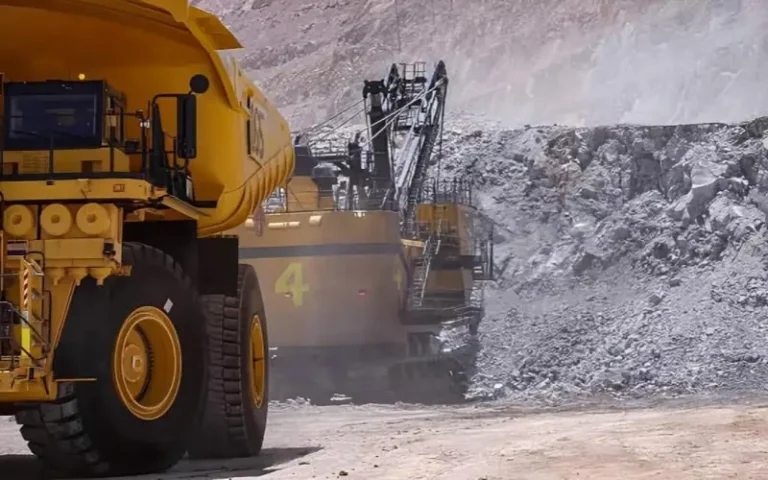
Mining & quarrying
Long-haul and inclined conveyors fight gravity and high tension every shift. Aramid conveyor belt gives you steel-cord tensile strength at far less weight, cutting drive power and take-up loads without giving up tear resistance.
DP 1600–2500
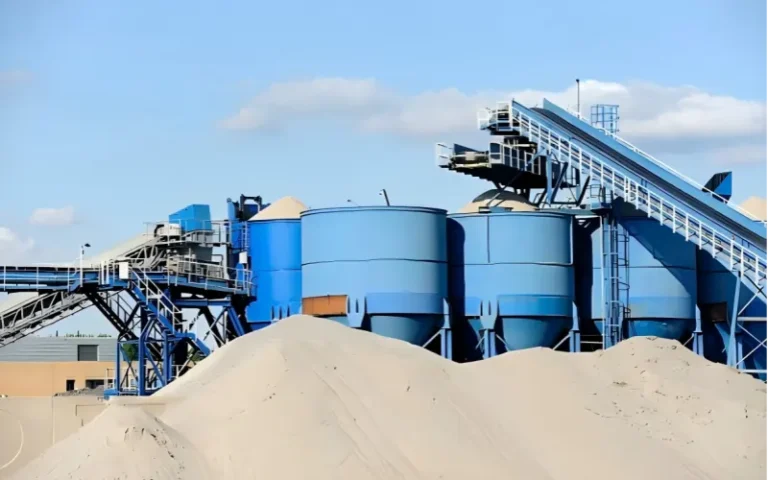
Cement & aggregates
Abrasive clinker and limestone wear belts down fast.Aramid cord belt carcass holds elongation low and tracking stable under continuous heavy load, while tough covers take the constant impact and abrasion.
DP 1000–1800
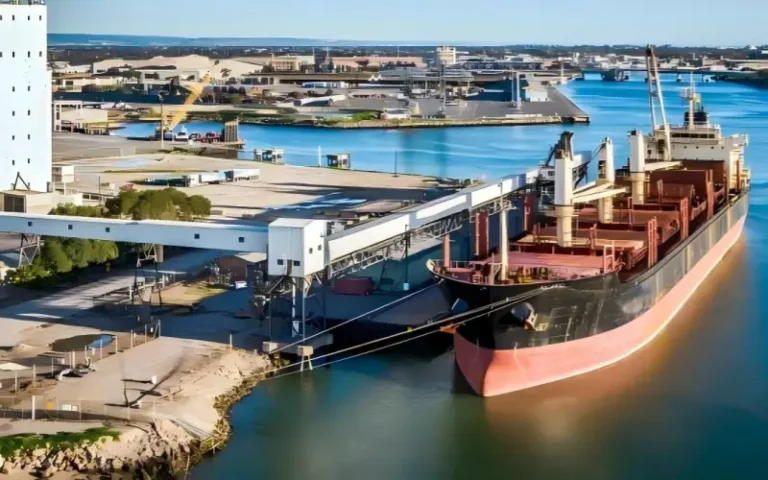
Ports & bulk handling
High throughput over long center distances demands strength without dead weight. A lighter aramid conveyor belt cuts your energy cost per ton moved and makes installation across long spans far easier for your crew.
DP 800–1600
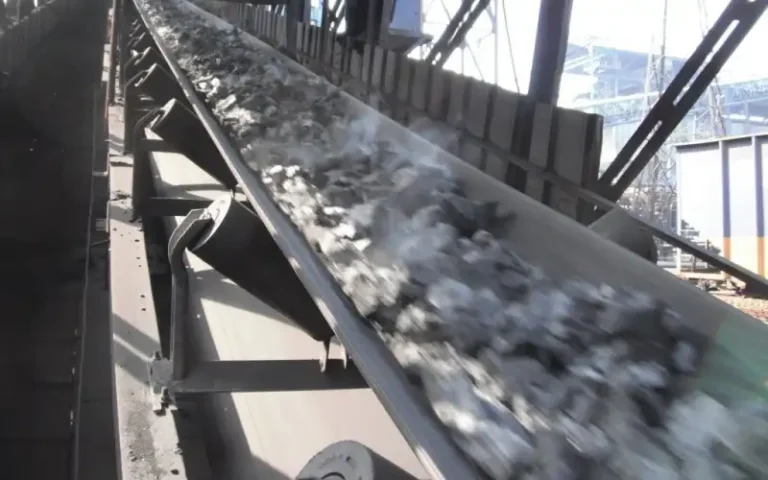
High-temperature lines
Where standard fibers lose strength under heat, aramid holds. For sinter, hot clinker, and foundry materials, our heat-resistant aramid conveyor belt protects the carcass and extends belt life in conditions that destroy ordinary belts.
DP 1000–2000 · heat-resistant
Why choose our aramid conveyor belt
Aramid fiber gives any belt high tensile strength at low weight. What sets our aramid conveyor belt apart is how we build it — the cover compounds, the bonding technology, and the quality control behind every meter.
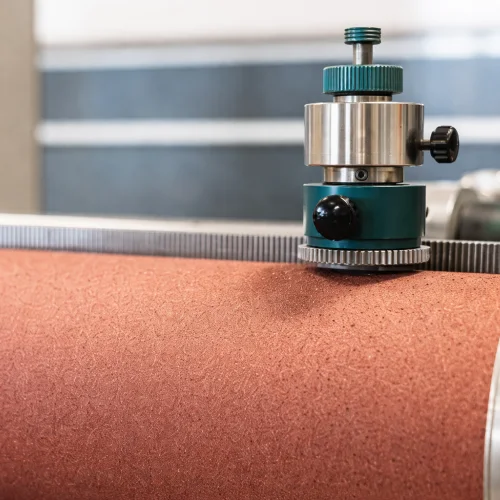
Abrasion loss as low as 30 mm³
Cover wear decides how long your belt lasts. Ours achieves abrasion loss of 30 mm³ — well beyond standard industry grades — so your belt withstands abrasive clinker, ore, and aggregate far longer, and you replace it less often.
Advanced hot bonding technology
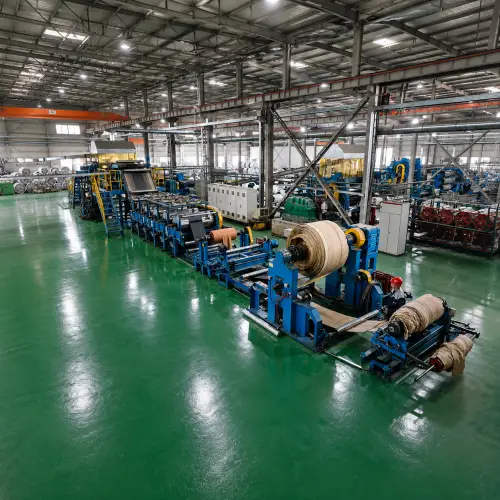
Our covers and carcass are joined on an automated continuous hot bonding line with digital temperature control and synchronized tension control — all in a single process. The result is consistent bonding strength and dimensional stability across the full belt length, not just sample sections.
Multi-property cover compounds
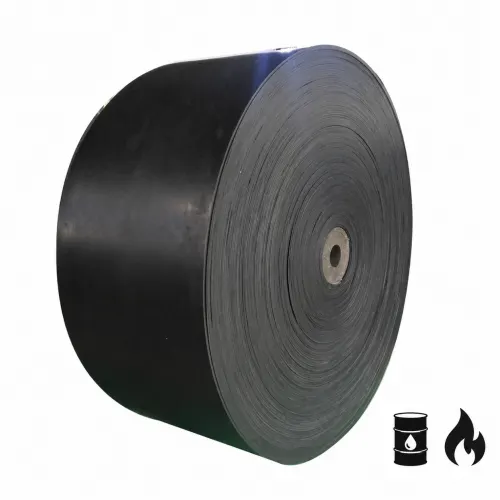
Most belts force you to choose one cover property. Our proprietary formulations combine two or more characteristics in a single compound — abrasion resistance, heat resistance, and more, together — matched to your exact working conditions instead of a one-size-fits-all cover.
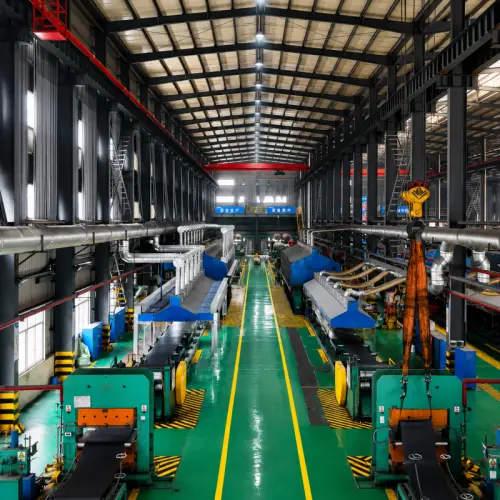
60 production lines, stable output at any scale
Across our phase-one and phase-two facilities, we run 60 production lines. Whatever the size of your order, we have the capacity to deliver on schedule — and the line consistency to hold the same quality from the first meter to the last, even on large-volume runs.
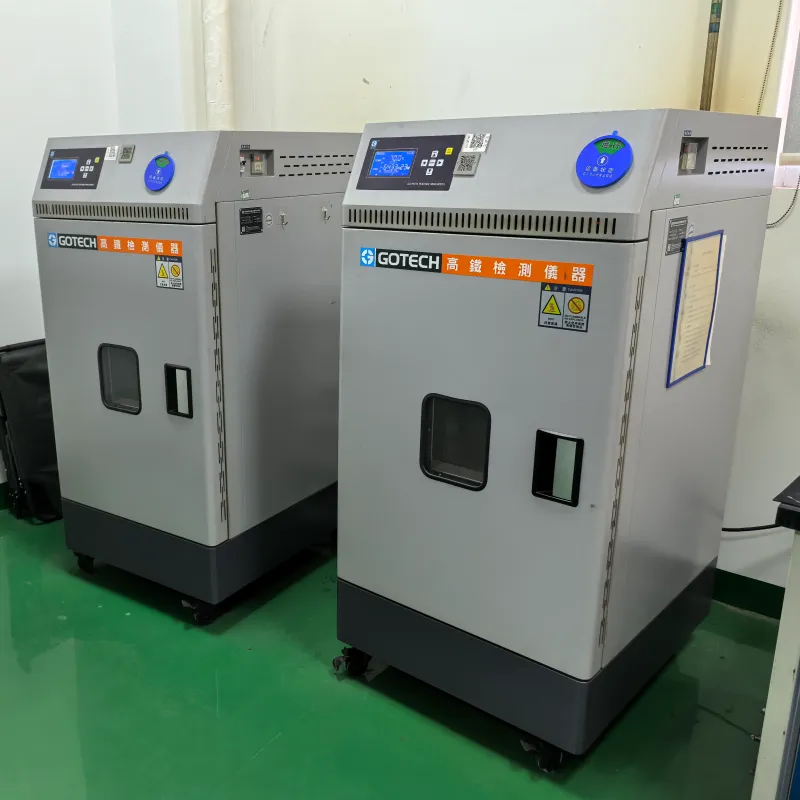
Gotech-equipped quality lab
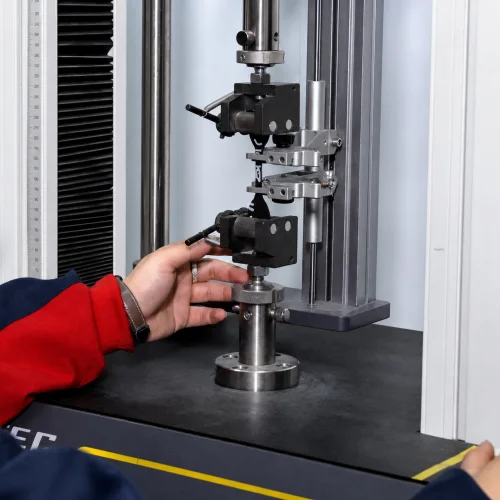
Every belt is verified in-house on Gotech testing equipment — covering adhesion (peel) strength, full-tension and tensile testing, heat-aging, flame resistance, and UV-aging analysis. We test to ISO, DIN, and JIS standards, so what you receive matches the specification you ordered.
Zero defect rate
Our defect rate is zero. With double-platen vulcanization, full-width tension testing, and end-to-end inspection, you receive on-spec, batch-to-batch consistency — backed by professional engineer evaluation should any issue ever arise.
Aramid Conveyor Belt Structure
A closer look at what gives your belt its strength — and why it weighs so much less than steel cord.
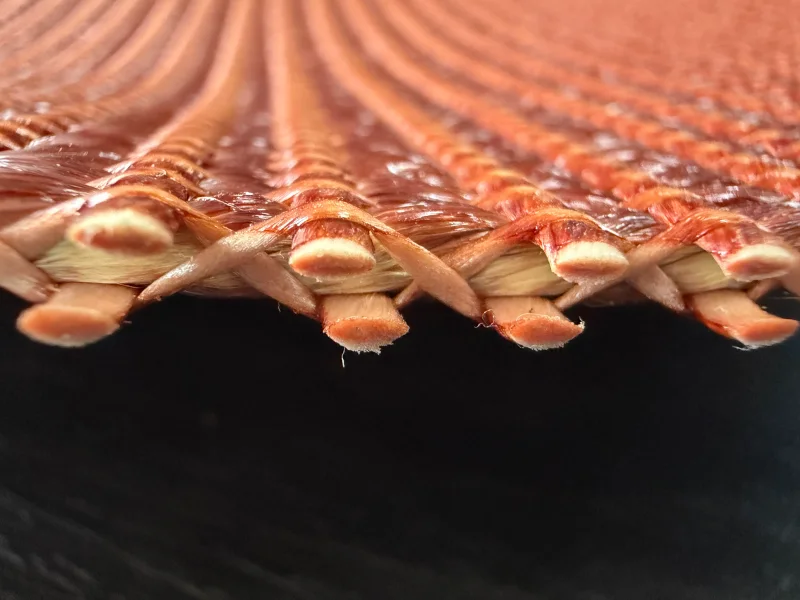
Woven Aramid Carcass
Every DP belt is built around a woven aramid carcass — interlaced warp and weft yarns of high-modulus aramid fiber. The warp runs lengthwise and carries the working tension; the weft locks it in place across the width.
Because the load is shared across thousands of continuous filaments rather than a few heavy strands, the belt reaches steel-cord tensile strength at a fraction of the weight. Aramid’s high modulus means the carcass elongates very little under load — so your belt holds its length, tracks straight, needs less take-up travel, and never corrodes.
DP series specifications
Find your tension rating from DP 500 to DP 2500
| Type | Tension N/mm | Modulus kN/mm | Carcass wt kg/m² | Carcass th mm | Covers mm | Belt wt* kg/m² |
|---|---|---|---|---|---|---|
| DP 500 | 63 | 23 | 2.9 | 2.5 | 6 + 2 | 11.7 |
| DP 630 | 80 | 27 | 3.0 | 2.6 | 6 + 2 | 11.8 |
| DP 800 | 100 | 31 | 3.2 | 2.7 | 6 + 2 | 12.0 |
| DP 1000 | 125 | 37 | 4.0 | 3.5 | 6 + 2 | 12.8 |
| DP 1250 | 160 | 44 | 4.1 | 3.6 | 6 + 2 | 16.2 |
| DP 1400 | 175 | 49 | 4.3 | 3.7 | 8 + 3 | 16.4 |
| DP 1600 | 200 | 54 | 4.4 | 3.8 | 8 + 3 | 16.5 |
| DP 1800 | 225 | 60 | 4.8 | 4.2 | 8 + 3 | 16.9 |
| DP 2000 | 250 | 66 | 5.2 | 4.5 | 8 + 3 | 17.3 |
| DP 2500 | 315 | 80 | 5.8 | 5.0 | 8 + 3 | 17.9 |
Cover Grades Suited to Aramid Conveyor Belts
This list, compiled based on our procurement records from this year, shows the cover compounds with the highest procurement volumes of aramid tape across different standards. It may help you decide which specific cover compound to select.
DIN
| Grade | Application | Tensile (MPa) | Elongation (%) | Abrasion (mm³) | Hardness (Shore A) |
|---|---|---|---|---|---|
| X | Severe cut & tear | ≥25.0 | ≥450 | ≤120 | 60±5 |
| W | High abrasion (best wear) | ≥18.0 | ≥400 | ≤90 | 60±5 |
| Y | General abrasion | ≥20.0 | ≥400 | ≤150 | 60±5 |
| Z | Economy / moderate | ≥15.0 | ≥350 | ≤250 | 60±5 |
| K | Flame-retardant | ≥20.0 | ≥400 | ≤200 | 60±5 |
| V | Flame-retardant, anti-static, self-extinguishing | ≥15.0 | ≥350 | ≤150 | 60±5 |
ISO
| Grade | Application | Tensile (MPa) | Elongation (%) | Abrasion (mm³) | Hardness (Shore A) |
|---|---|---|---|---|---|
| H | Severe cut & tear | ≥24.0 | ≥450 | ≤120 | 60±5 |
| D | Severe abrasion | ≥18.0 | ≥400 | ≤100 | 60±5 |
| L | Moderate abrasion | ≥15.0 | ≥350 | ≤200 | 65±5 |
AS
| Grade | Application | Tensile (MPa) | Elongation (%) | Abrasion (mm³) | Hardness (Shore A) |
|---|---|---|---|---|---|
| A | Top abrasion (best wear ≤70) | ≥17.0 | ≥400 | ≤70 | 60±5 |
| M | General heavy duty | ≥24.0 | ≥450 | ≤125 | 60±5 |
| N | General abrasion | ≥17.0 | ≥400 | ≤200 | 60±5 |
| F | Flame-retardant | ≥14.0 | ≥300 | — | 65±5 |
| S | Flame-retardant anti-static | ≥14.0 | ≥300 | ≤250 | 65±5 |
JIS
| Grade | Application | Tensile (MPa) | Elongation (%) | Abrasion (mm³) |
|---|---|---|---|---|
| S | Severe abrasion | ≥18.0 | ≥450 | ≤200 |
| A | Abrasion resistant | ≥14.0 | ≥400 | ≤150 |
| G | General | ≥14.0 | ≥400 | ≤250 |
BS
| Grade | Application | Tensile (MPa) | Elongation (%) | Abrasion (mm³) | Hardness (Shore A) |
|---|---|---|---|---|---|
| M24 | General | ≥24.0 | ≥450 | — | — |
| N17 | General | ≥17.0 | ≥400 | — | — |
| B | General, moderate abrasion | ≥15.0 | ≥350 | ≤150 | 60±5 |
RMA
| Grade | Application | Tensile (MPa) | Elongation (%) | Abrasion (mm³) | Hardness (Shore A) |
|---|---|---|---|---|---|
| RMA1 | Cut & abrasion resistant | ≥17.0 | ≥450 | ≤150 | 60±5 |
| RMA2 | General abrasion | ≥14.0 | ≥400 | ≤175 | 65±5 |
GOST
| Grade | Application | Tensile (MPa) | Elongation (%) | Abrasion (mm³) | Hardness (Shore A) |
|---|---|---|---|---|---|
| A | General heavy duty | ≥24.5 | ≥450 | ≤160 | 40–60 |
| B | General | ≥19.6 | ≥400 | ≤160 | 50–70 |
| N | Abrasion resistant | ≥15.0 | ≥400 | ≤100 | 55–75 |
| T2 (≤150°C) | Heat resistant | ≥10.0 | ≥300 | ≤200 | 60–75 |
Need a spec beyond the standard chart?
Send us your width, tension, material, and operating temperature. Our engineers tailor the cover, compound, and carcass to your line.
Why aramid conveyor belt tits your project?
Steel cord has been the default for high-tension conveyors for decades. On many lines, our aramid conveyor belt now gives you the same pull strength while solving problems steel cord can’t. We build both — so here is an honest look at how they compare.
| Aramid Conveyor Belt | Steel Cord Belt | |
| Weight | Up to 50% lighter at the same working tension — less dead load on every meter you run. | Steel cords add significant weight your motors carry all day. |
| Running cost | A lighter belt needs less drive power, so you spend less energy moving each ton. | More belt mass means higher power draw and higher running cost over time. |
| Long-term moisture exposure | Rubber covers are not fully sealed — over time moisture seeps through. Aramid is unaffected; it never rusts. | The same slow moisture ingress gradually corrodes the steel cords from within over the belt’s service life. |
| Splicing | Lighter, simpler splices — faster to operate and easier to get right in the field. | Steel cord belt splices are complex: cords must be stripped, layered, and vulcanized — more time, skill, and downtime. |
| Magnetic separation | Non-magnetic — won’t interfere with the metal detectors or magnetic separators on your line. | Steel content disrupts magnetic separation and metal detection. |
Not sure which fits your line? Tell us your conditions — we will recommend the belt that’s right for you, aramid or steel cord.
Design Aramid Conveyor Belt to your line, not a catalog
No two conveyors run the same material, tension, or environment. Tell us your conditions, and we build your aramid conveyor belt to match — from the cover compound down to the carcass.

Multi-Performance Cover Compounds
We formulate cover compounds that combine several resistances in one — flame, oil, acid, alkali, or cold. Your aramid conveyor belt gets a single cover built for your real conditions, not a compromise.
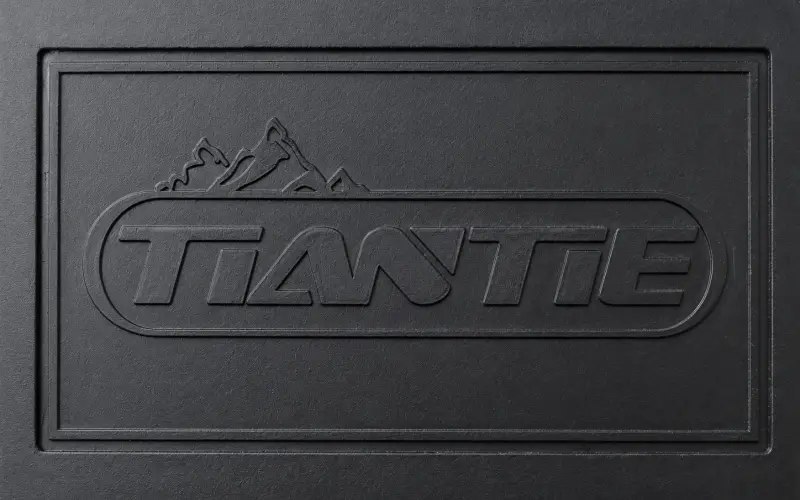
Custom Logo Branding
We mark your logo and identification directly onto every aramid conveyor belt we ship. For distributors and OEM buyers, that means your brand on every meter, ready to resell.
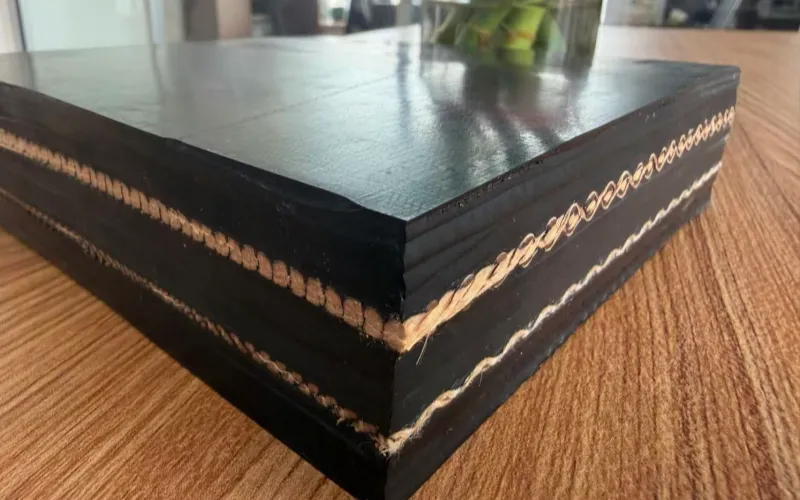
Multi-Layer Composite Carcass
We reinforce the aramid carcass with extra layers on demand — a rip-stop breaker against tears, or a fused EP ply for added strength. Your belt's structure is engineered around your load.
FAQs
How much does an aramid belt actually elongate under load?
Does adding thicker covers cancel out aramid's weight advantage?
What stops the covers from delaminating from the aramid carcass over time?
Why does aramid last on high-cycle conveyors where other belts fade?
Can one belt carry a different compound on the top and bottom cover?
What does a rip-stop or EP reinforcement layer actually do?
If aramid matches steel cord so closely, why is it still less widely used?
Is the woven aramid carcass affected by water, humidity, or chemicals?
Get the Right Aramid Conveyor Belt for Your Project
Send us your Belt Width,Tensile Strength.Cover Thickness,Cover Grade / Rubber Strength,Belt Length. Our team will match the specification and get back to you with a quote.
