China Chevron Conveyor Belt Manufacturer
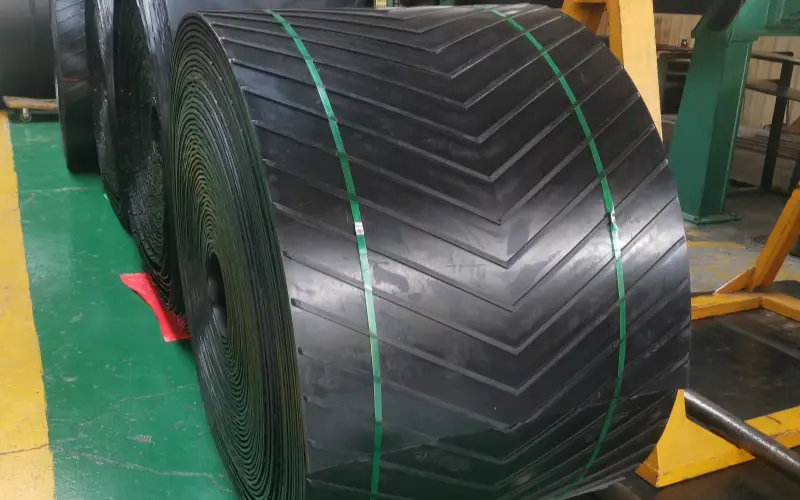
TIANTIE INDUSTRIAL manufactures chevron conveyor belt solutions for inclined transport of bulk, granular, and lump materials. We match the profile height and layout to your material, conveyor angle, belt width, and operating conditions, helping you reduce material rollback, avoid profile mismatch, and maintain consistent specifications across repeat orders.
- Less Material Rollback on Inclined Conveyors
- Pattern Matched to Actual Operating Conditions
- Complete Formation of High Chevron Profiles
- Belt Structure Matched to Operating Load
Chevron Profile Design for Inclined Bulk Conveying
A chevron conveyor belt uses raised rubber profiles to provide physical support behind sand, gravel, coal, ore, grain, and other loose materials as the belt moves upward. This support reduces backward sliding on the inclined section, while the profile dimensions and arrangement determine how the material is held across the carrying surface.
- Greater profile height creates a higher barrier behind the material.
- Wider spacing leaves more room for larger pieces to settle and release.
- Closer spacing provides more frequent support for fine, free-flowing materials.
- The patterned width should cover the actual material loading area.
Selected Chevron Conveyor Belt Patterns
Below is a selection of our frequently ordered chevron conveyor belt pattern options. Each pattern can be displayed with its profile drawing and available mold dimensions for quick comparison. These examples represent only part of our existing mold library; additional pattern designs and non-standard mold development are also available for different belt specifications.
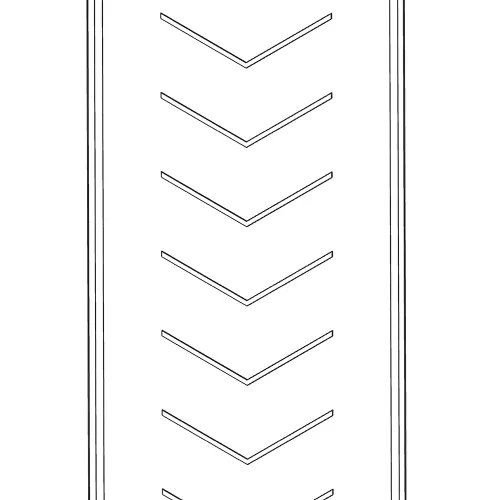
| Max Belt Width (B.W.) | Pattern Width (C.W.) | Pattern Height (C.H.) | Pattern Pitch (C.P.) |
|---|---|---|---|
| 700 | 500 | 5 | 100 |
| 700 | 600 | 5 | 100 |
| 900 | 800 | 5 | 100 |
| 1100 | 1000 | 5.5 | 100 |
| 1400 | 1200 | 5.5 | 100 |
| 2500 | 2350 | 10 | 250 |
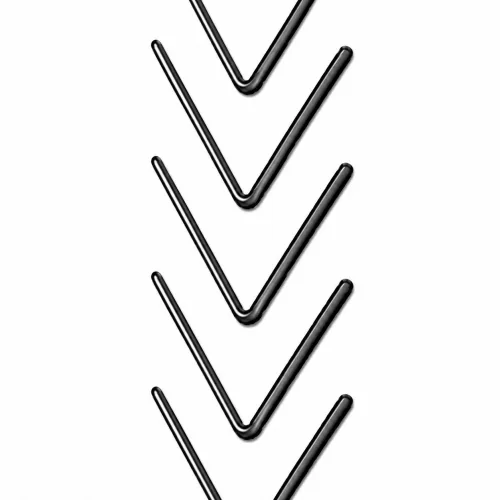
| Max Belt Width (B.W.) | Pattern Width (C.W.) | Pattern Height (C.H.) | Pattern Pitch (C.P.) |
|---|---|---|---|
| 1000 | 420 | 12 | 250 |
| 1250 | 820 | 15 | 250 |
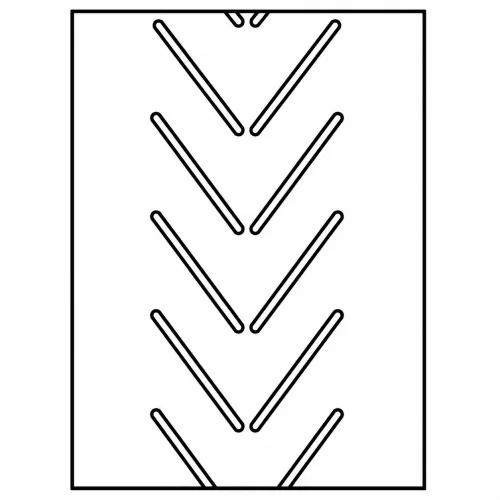
| Max Belt Width (B.W.) | Pattern Width (C.W.) | Pattern Height (C.H.) | Pattern Pitch (C.P.) | Opening Spacing |
|---|---|---|---|---|
| 1300 | 725 | 4.5 | 300 | 25 |
| 1300 | 750 | 15 | 300 | 195 |
| 1000 | 600 | 15 | 100 | 25 |
| 800 | 380 | 15 | 250 | 25 |
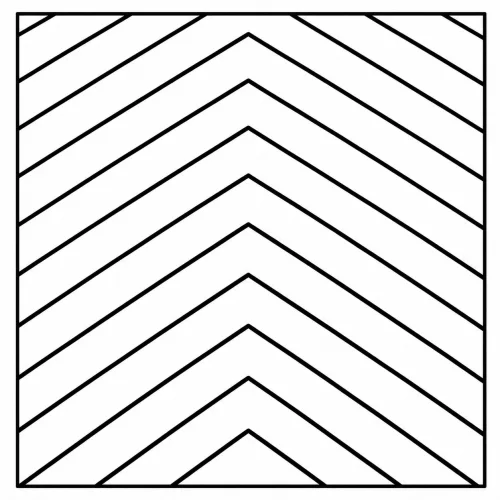
| Max Belt Width (B.W.) | Pattern Width (C.W.) | Pattern Height (C.H.) | Pattern Pitch (C.P.) |
|---|---|---|---|
| 1600 | 1600 | 5 | 150 |
| 1600 | 1600 | 6 | 100 |
| 1480 | 1480 | 8 | 100 |
| 1400 | 1200 | 10 | 100 |
| 1400 | 1200 | 15 | 100 |
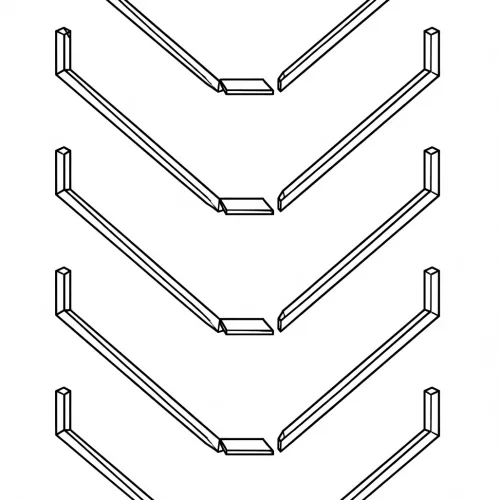
| Max Belt Width (B.W.) | Pattern Width (C.W.) | Pattern Height (C.H.) | Pattern Pitch (C.P.) |
|---|---|---|---|
| 800 | 550 | 15 | 250 |
| 1300 | 750 | 15 | 250 |
| 800 | 450 | 25 | 225 |
| 800 | 550 | 25 | 250 |
| 1400 | 750 | 25 | 430 |
| 2100 | 1100 | 25 | 350 |
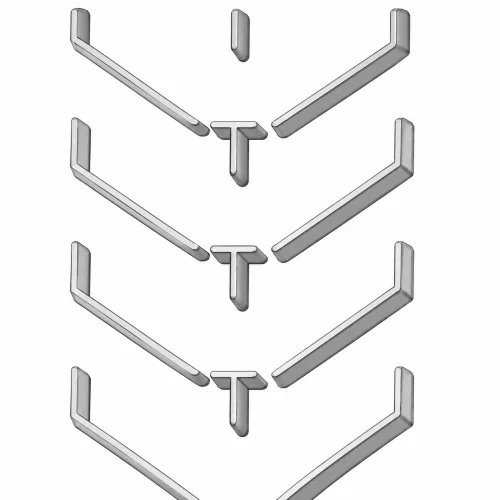
| Max Belt Width (B.W.) | Pattern Width (C.W.) | Pattern Height (C.H.) | Pattern Pitch (C.P.) |
|---|---|---|---|
| 1350 | 750 | 25 | 175 |
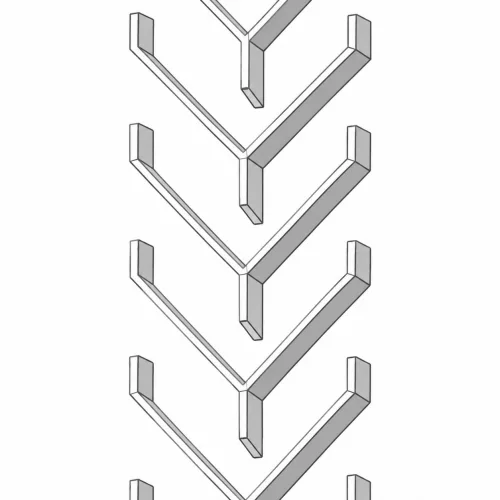
| Max Belt Width (B.W.) | Pattern Width (C.W.) | Pattern Height (C.H.) | Pattern Pitch (C.P.) |
|---|---|---|---|
| 800 | 500 | 20 | 180 |
| 1300 | 750 | 32 | 285 |
| 1500 | 800 | 32 | 330 |
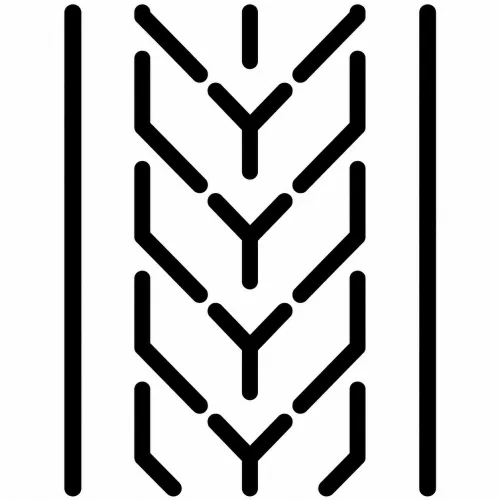
| Max Belt Width (B.W.) | Pattern Width (C.W.) | Pattern Height (C.H.) | Pattern Pitch (C.P.) |
|---|---|---|---|
| 1500 | 1000 | 32 | 485 |
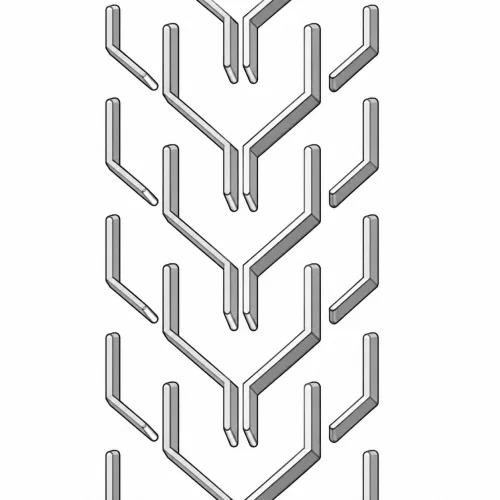
| Max Belt Width (B.W.) | Pattern Width (C.W.) | Pattern Height (C.H.) | Pattern Pitch (C.P.) | Opening Spacing |
|---|---|---|---|---|
| 650 | 440 | 17 | 330 | 30 |
| 900 | 630 | 17 | 330 | 30 |
| 1200 | 950 | 17 | 330 | 30 |
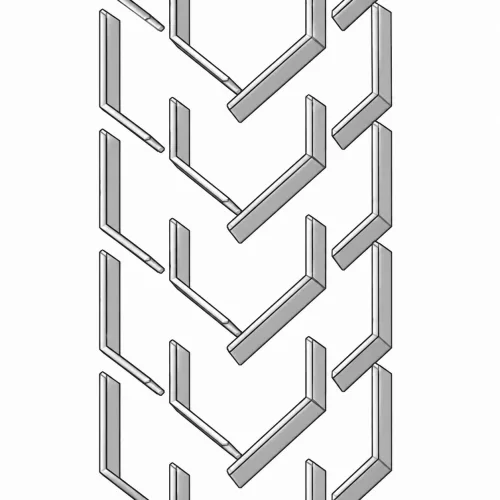
| Max Belt Width (B.W.) | Pattern Width (C.W.) | Pattern Height (C.H.) | Pattern Pitch (C.P.) |
|---|---|---|---|
| 980 | 580 | 32 | 330 |
| 1500 | 750 | 32 | 330 |
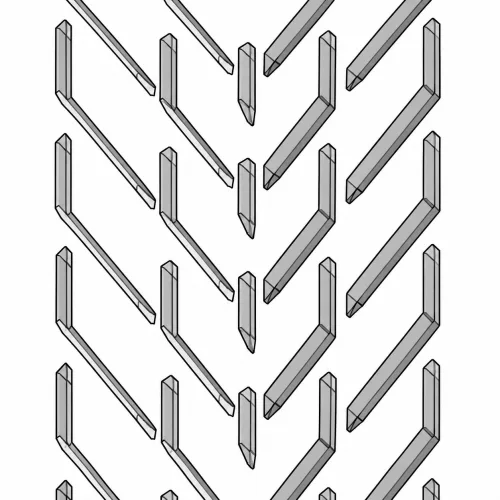
| Max Belt Width (B.W.) | Pattern Width (C.W.) | Pattern Height (C.H.) | Pattern Pitch (C.P.) | Center Distance (C.W.) |
|---|---|---|---|---|
| 1500 | 1180 | 32 | 250 | 500 |
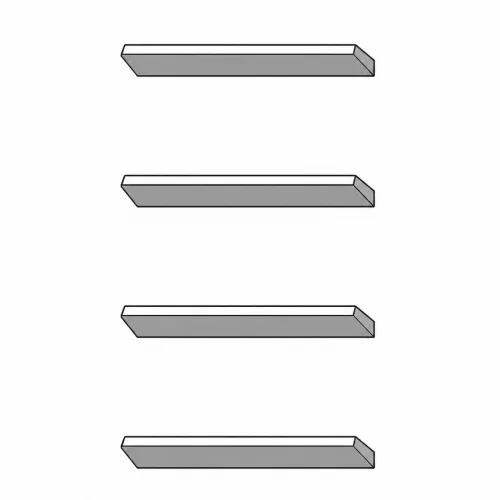
| Max Belt Width (B.W.) | Pattern Width (C.W.) | Pattern Height (C.H.) | Pattern Pitch (C.P.) |
|---|---|---|---|
| 700 | 700 | 15 | 400 |
| 800 | 475 | 30 | 330 |
| 900 | 530 | 45 | 750 |
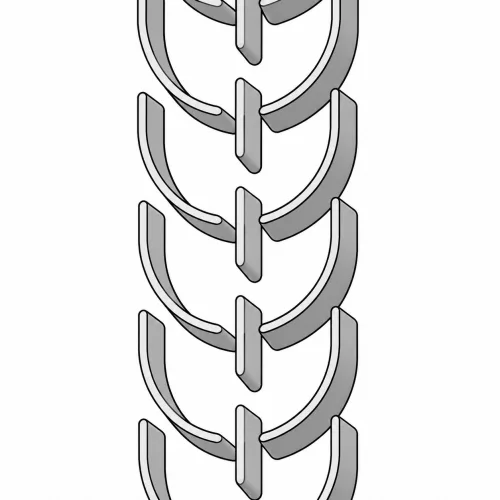
| Max Belt Width (B.W.) | Pattern Width (C.W.) | Pattern Height (C.H.) | Pattern Pitch (C.P.) |
|---|---|---|---|
| 1000 | 490 | 35 | 250 |
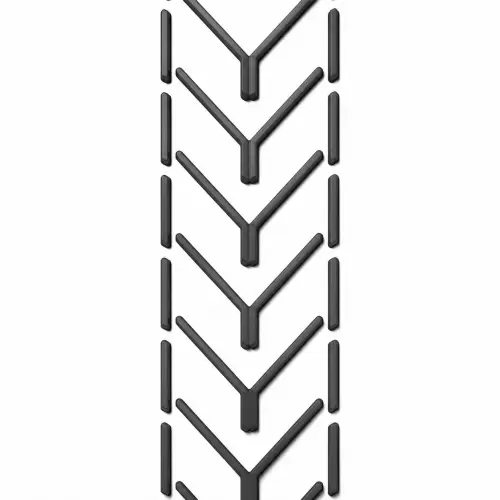
| Max Belt Width (B.W.) | Pattern Width (C.W.) | Pattern Height (C.H.) | Pattern Pitch (C.P.) | Center Distance (C.W.) |
|---|---|---|---|---|
| 700 | 425 | 15 | 250 | 10 |
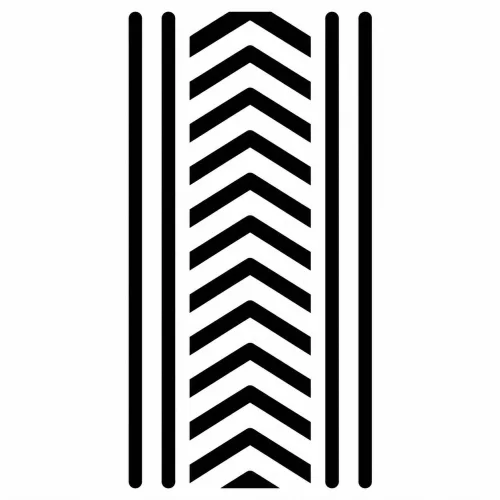
| Max Belt Width (B.W.) | Pattern Width (C.W.) | Pattern Height (C.H.) | Pattern Pitch (C.P.) |
|---|---|---|---|
| 610 | 570 | 6 | 100 |
| 700 | 660 | 6 | 100 |
| 1200 | 1170 | 6 | 100 |
| Max Belt Width (B.W.) | Pattern Width (C.W.) | Pattern Height (C.H.) | Pattern Pitch (C.P.) |
|---|---|---|---|
| 500 | 456 | 2.5 | 65 |
| 600 | 556 | 2.5 | 65 |
| 650 | 606 | 2.5 | 65 |
| 800 | 756 | 2.5 | 65 |
| 1000 | 956 | 2.5 | 65 |
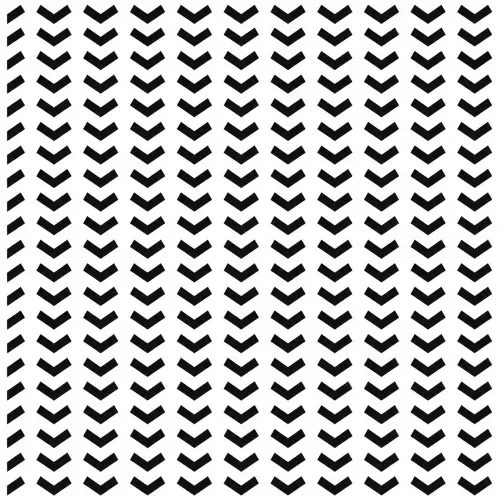
| Max Belt Width (B.W.) | Pattern Width (C.W.) | Pattern Height (C.H.) | Pattern Pitch (C.P.) |
|---|---|---|---|
| 1400 | 1360 | 6 | 65 |
| 1600 | 1550 | 6 | 65 |
| 2400 | 2350 | 6 | 65 |
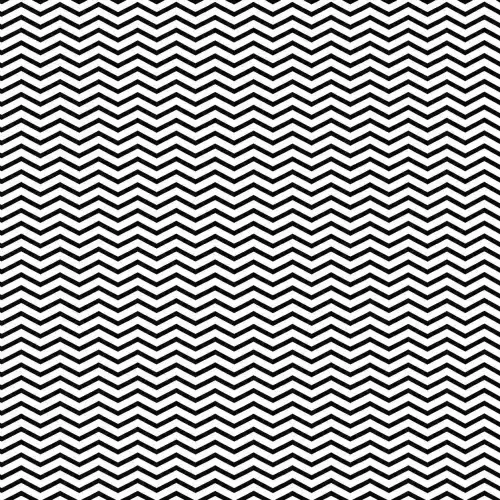
| Max Belt Width (B.W.) | Pattern Width (C.W.) | Pattern Height (C.H.) | Pattern Pitch (C.P.) |
|---|---|---|---|
| 1300 | 1300 | 3 | 18 |
| 1350 | 1350 | 2 | 17 |
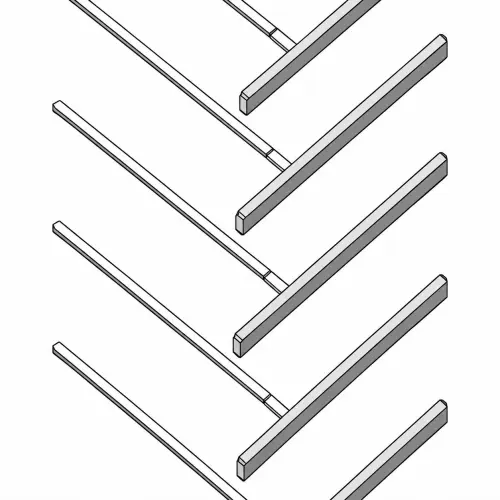
| Max Belt Width (B.W.) | Pattern Width (C.W.) | Pattern Height (C.H.) | Pattern Pitch (C.P.) |
|---|---|---|---|
| 700 | 650 | 13 | 250 |
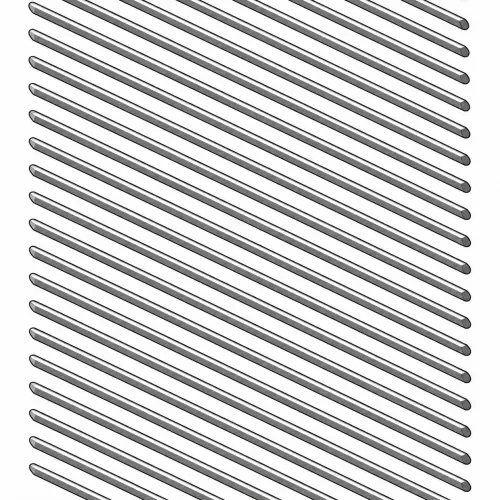
| Max Belt Width (B.W.) | Pattern Width (C.W.) | Pattern Height (C.H.) | Pattern Pitch (C.P.) |
|---|---|---|---|
| 830 | 800 | 9 | 55 |
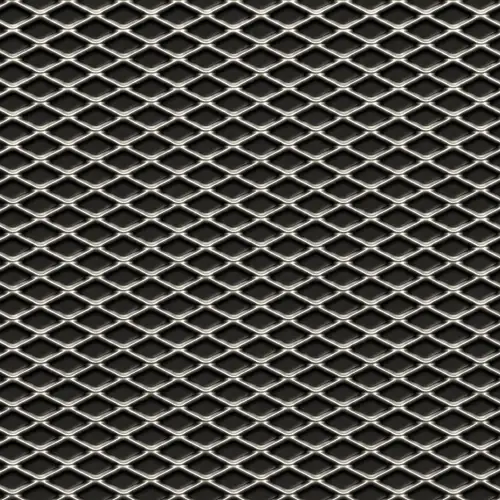
| Max Belt Width (B.W.) | Pattern Width (C.W.) | Pattern Height (C.H.) | Pattern Pitch (C.P.) |
|---|---|---|---|
| 480 | 480 | 5 | 25 |
| 1000 | 1000 | 5 | 25 |
| 1850 | 1850 | 5 | 25*40 |
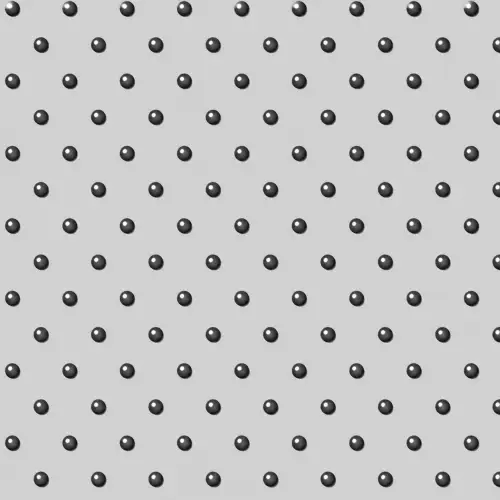
| Max Belt Width (B.W.) | Pattern Width (C.W.) | Pattern Height (C.H.) | Pattern Pitch (C.P.) | Dot Diameter |
|---|---|---|---|---|
| 850 | 590 | 8 | 50 | 30 |
| 900 | 690 | 3.5 | 18 | 22 |
| 700 | 690 | 5 | 80 | 30 |
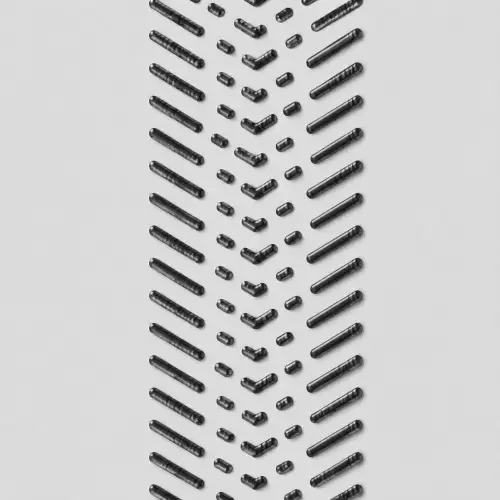
| Max Belt Width (B.W.) | Pattern Width (C.W.) | Pattern Height (C.H.) | Pattern Pitch (C.P.) |
|---|---|---|---|
| 1100 | 400 | 5 | 60 |
Didn’t Find the Chevron Pattern You Need?
Send us your pattern drawing, clear photo, existing belt sample, or required profile dimensions. TIANTIE INDUSTRIAL will check our additional mold options or evaluate a new mold based on your specification.
Information Required for Pattern Confirmation and Quotation
Provide your required pattern or basic conveying conditions, together with the base belt specification, so TIANTIE INDUSTRIAL can confirm the chevron conveyor belt design and quotation.
If You Need a Pattern Recommendation
- Conveyed material
- Material characteristics
- Required capacity in TPH
- Conveyor inclination
Our engineers will review these conditions and recommend a suitable pattern for your confirmation.
If You Have a Required Pattern
- Pattern style or reference image
- Pattern height, width, and spacing
- Existing mold number, when available
We will check the available mold or confirm whether a new mold is required.
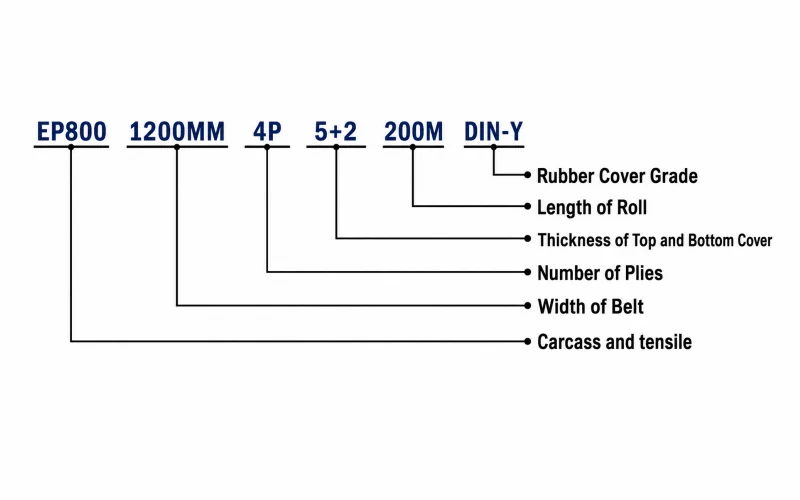
Base Belt Specification
- Belt width and total length
- Open belt or endless belt
- Fabric type, tensile strength, and number of plies
- Top and bottom cover thickness
- Cut edge or moulded edge
- Required rubber performance
Send Your Chevron Conveyor Belt Requirements
Submit your pattern data or conveying conditions together with the base belt specification.
Chevron Profile Forming and Vulcanization
We use different molding procedures according to the profile height, ensuring that shallow patterns retain clear dimensions and deeper mold cavities are completely filled during vulcanization.
Profiles Below 6mm
Lower chevron profiles are formed directly with the top cover rubber during the molding process. The profile and belt cover are pressed and vulcanized in the same production cycle, creating a continuous rubber structure with consistent pattern height, spacing, and surface details.
Profiles of 6mm and Above
For deeper profiles, uncured rubber is placed into each mold cavity before pressing. The prepared mold and belt are then vulcanized together under controlled heat and pressure, allowing the rubber to fill the complete profile shape and form a solid connection with the belt cover.
Chevron Conveyor Belt Applications
Chevron conveyor belts are used in inclined conveying systems where raised surface patterns help control bulk material movement during loading and transport. The final belt specification and pattern design are confirmed according to the customer’s equipment and conveying requirements.
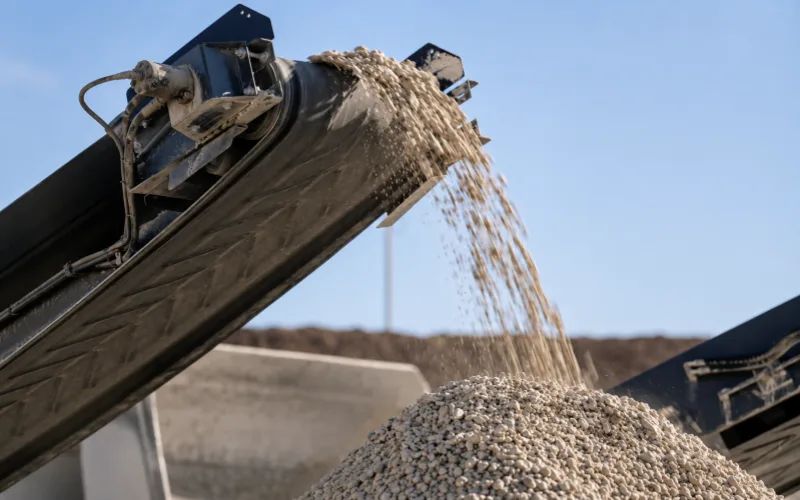
Quarry and Aggregate Handling
Used on inclined conveyors for transporting sand, gravel, crushed stone, and aggregate between crushers, screens, storage areas, and loading points. Chevron profiles help reduce backward material movement and improve carrying stability on rising conveyor sections.
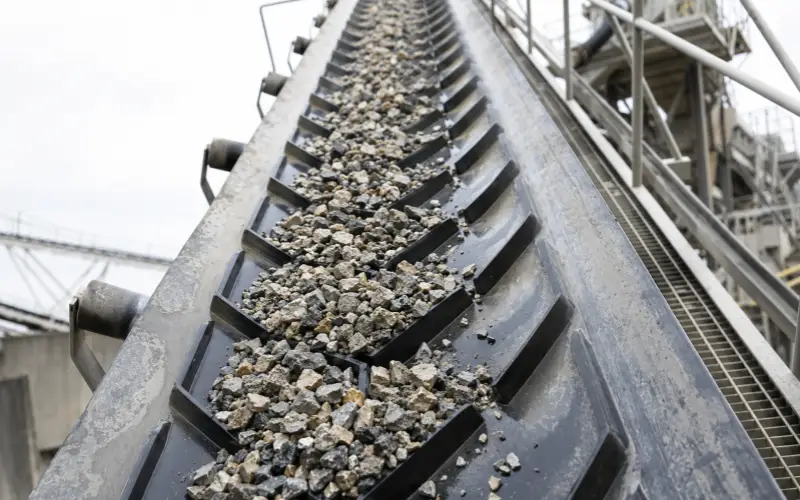
Mining and Mineral Processing
Suitable for conveying coal, ore, mineral lumps, and processed materials in mining and beneficiation systems. Chevron conveyor belts can be produced for fixed conveyors, mobile equipment, transfer lines, and other inclined material-handling installations.
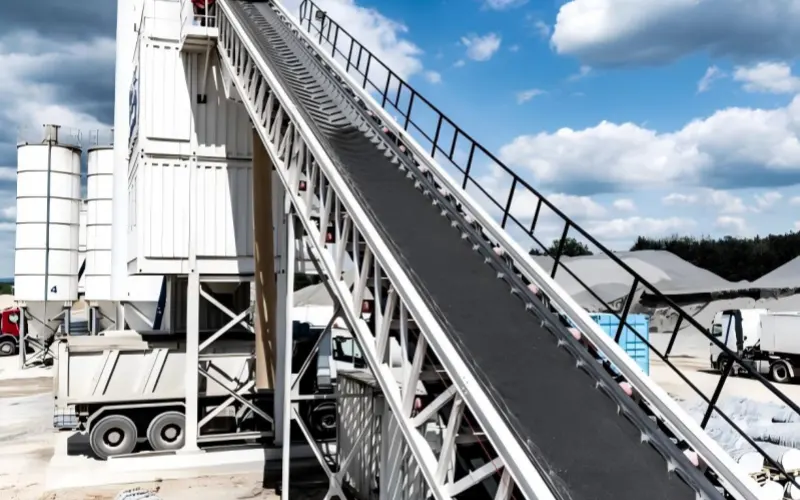
Cement and Building Materials
Applied in cement plants, concrete production, brick factories, and building-material processing lines. Common conveyed materials include limestone, clinker, sand, gypsum, and mixed construction materials transported between processing and storage equipment.
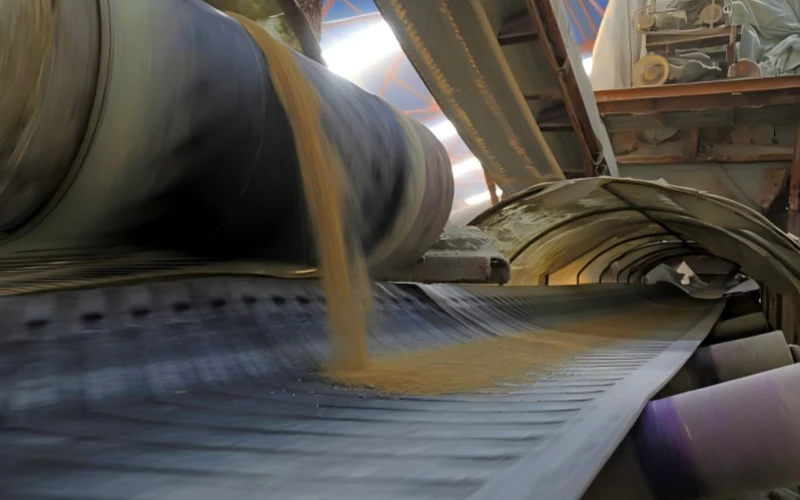
Agricultural Material Bulk Handling
Used for grain, seeds, fertilizer, animal feed, and other agricultural materials. These belts can be installed in loading conveyors, storage systems, processing lines, and mobile agricultural equipment requiring inclined bulk transport.
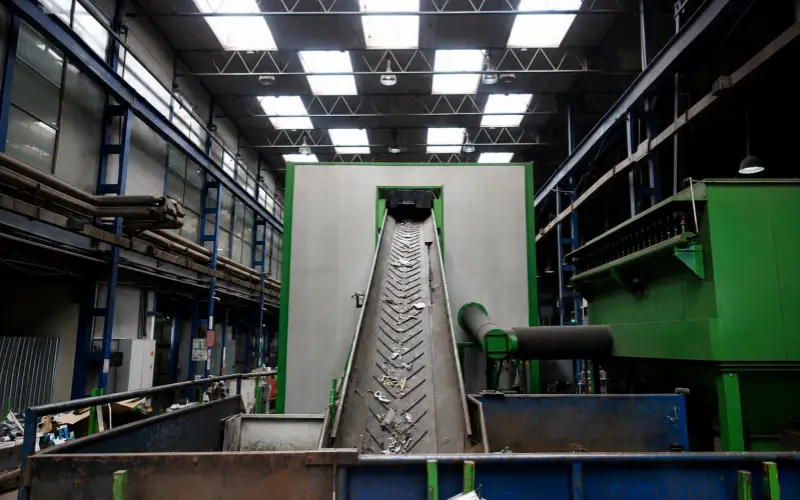
Recycling and Waste Processing
Suitable for conveying recyclable materials, industrial waste, biomass, wood chips, and mixed processed materials. Chevron patterns support inclined movement through sorting, crushing, screening, and material-recovery systems.
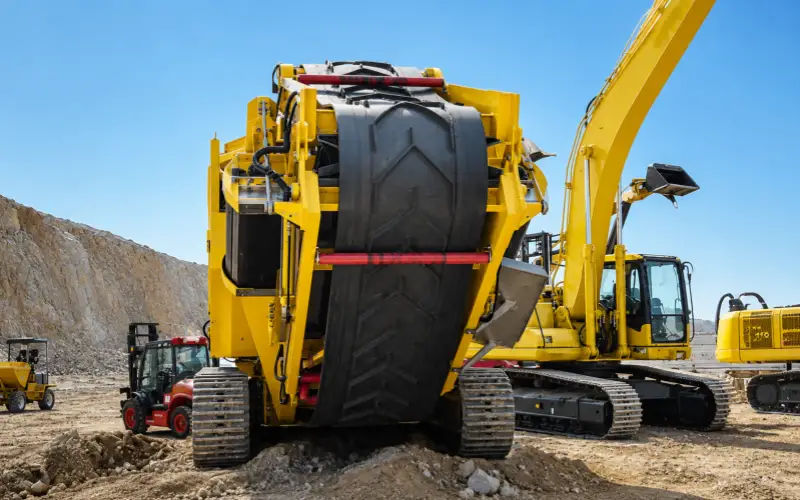
Mobile Crushing and Screening Equipment
Commonly installed on mobile crushers, screening plants, stackers, and loading conveyors. Belt width, pattern dimensions, rubber performance, and base belt specification can be produced according to the equipment manufacturer’s design.
Chevron Conveyor Belt Manufacturing and Supply Capacity
TIANTIE INDUSTRIAL supports customized chevron conveyor belt production with large-scale rubber mixing, multiple production lines, and existing molds for a wide range of belt widths. Our capacity covers individual replacement belts, mixed-specification orders, and continuous project supply.
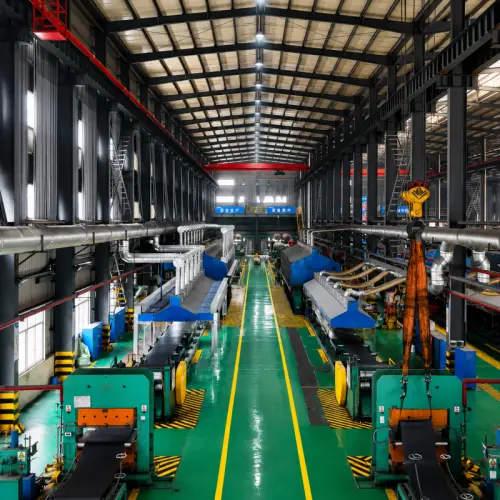
60 Conveyor Belt Production Lines
Our 60 production lines support the production of different belt widths, lengths, strength grades, and cover specifications. Multiple order specifications can be arranged within the same production period, providing sufficient capacity for distributors, equipment manufacturers, and bulk project orders.
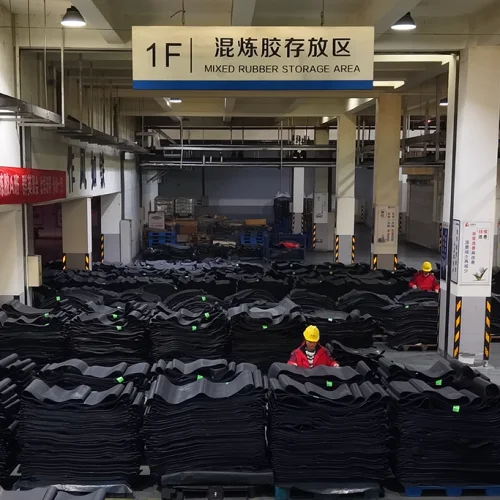
30,000-Ton Annual Rubber Mixing Capacity
Our annual rubber mixing capacity reaches 30,000 tons. This gives us direct control over compound preparation and provides a stable rubber supply for continuous belt production, especially when an order contains different cover thicknesses or abrasion, heat, oil, flame, and cold-resistance requirements.
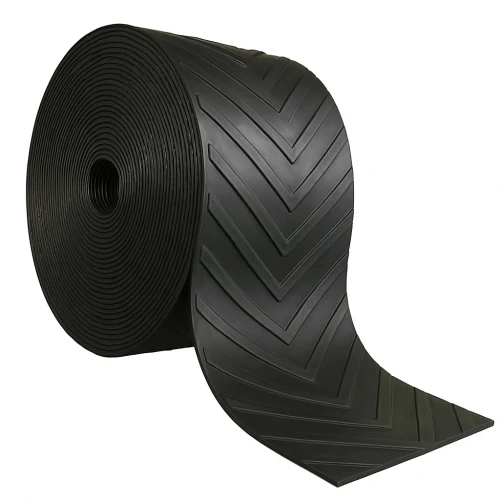
Chevron Molds for Belts up to 2,500mm Wide
The selected popular molds displayed on this page include options for belt widths up to 2,500mm. When the customer’s pattern and dimensions match an existing mold, we can proceed without developing a new mold, reducing the additional preparation required before production.
Send Your Existing Belt or Pattern Requirements
The patterns shown on this page represent only selected popular molds. Send us your product drawing or the pattern and dimensional data of the belt currently in use. TIANTIE INDUSTRIAL will first match the requirements against our existing molds.
When there is no exact match, we will propose a suitable available mold for your approval. A new mold will only be developed when the proposed option cannot meet your confirmed requirements.
FAQs
When is an available mold a better option than developing a new mold?
Can you recommend a pattern when no original belt data is available?
Why is pattern drawing approval still required when an existing mold is used?
Why can two patterns with the same profile height perform differently?
Why are deeper chevron profiles more difficult to form consistently?
How is pattern continuity handled at the joint of an endless chevron belt?
Send Your Pattern or Belt Specification
Share your drawing, pattern image, or existing belt data. We will first match an available mold and develop a new one only when necessary.
